

Working Principle and Features of Anhydrous Sodium Sulfate Powder Conveying System
Anhydrous sodium sulfate, commonly referred to as anhydrous sodium sulfate (Na₂SO₄), plays a vital role in numerous industrial applications, including glass manufacturing, paper production, and chemical processing. The efficient and reliable transportation of this fine powder is essential for maintaining production efficiency, ensuring product quality, and minimizing operational disruptions. This article explores the working principle and key features of a specialized powder conveying system designed specifically for anhydrous sodium sulfate, highlighting how it addresses the unique challenges associated with handling this material while optimizing performance and reliability.
Working Principle of the Anhydrous Sodium Sulfate Powder Conveying System
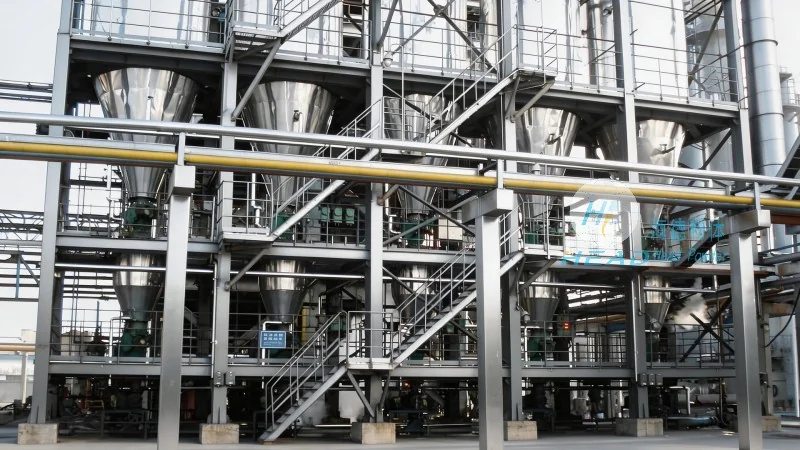
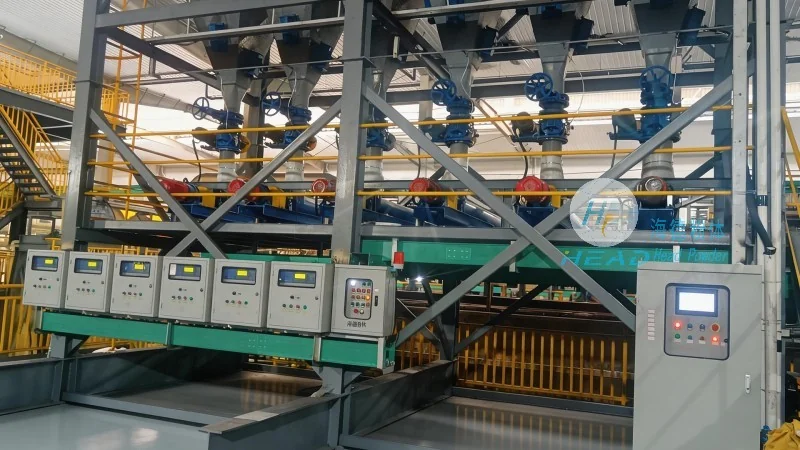
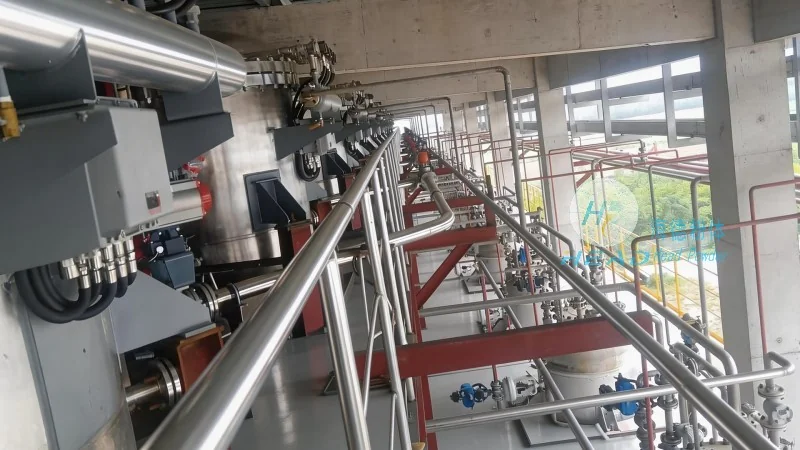
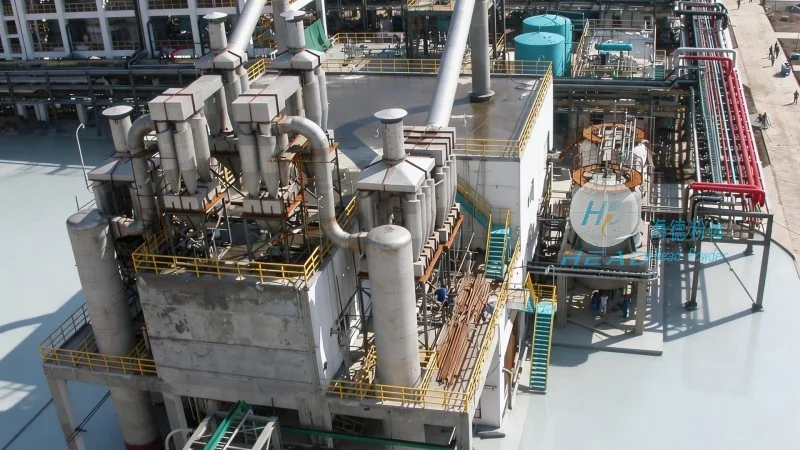
The system operates on a combination of mechanical and pneumatic principles to ensure smooth and continuous powder transport. The process begins with the loading of anhydrous sodium sulfate into a hopper or storage silo, where the material is stored under controlled conditions to prevent moisture absorption. From the hopper, the powder is fed into a conveyor component, typically a screw conveyor or a pneumatic conveying line, depending on the specific application requirements. The screw conveyor mechanism utilizes rotating screws to move the powder along a sealed tube or trough, providing a low-pressure, continuous flow. This method is particularly effective for short to medium-distance transport and offers advantages such as low maintenance and minimal energy consumption. In contrast, pneumatic conveying systems employ compressed air to create a flow of air and powder mixture, enabling longer-distance transport with minimal pressure drops. These systems are ideal for applications requiring high-speed or high-volume transport, and they can be configured as positive or negative pressure systems based on the material's characteristics and the desired transport distance. The system is equipped with control valves, pressure sensors, and flow meters to monitor and regulate the conveying process, ensuring consistent material delivery to downstream processes or storage facilities. Additionally, the design incorporates dust suppression features, such as sealed enclosures and air filtration systems, to maintain a clean and safe working environment, reducing the risk of dust explosions and improving overall workplace safety.