

Working Principle and Features of Ternary Material Powder Conveying Systems
Understanding the working principle and key features of ternary material powder conveying systems is crucial for optimizing industrial processes in the battery and material science sectors. These systems are designed to handle the specialized requirements of ternary lithium battery materials, which are critical components in modern energy storage technologies.
Introduction to Ternary Material Powder Conveying Systems
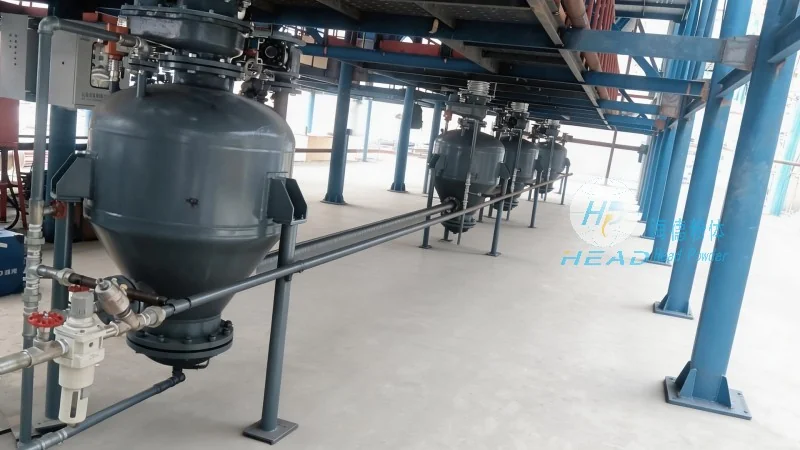
Ternary material powder conveying systems, as the name implies, are specialized equipment used to transport and handle powders composed of multiple elements, typically including nickel, cobalt, and manganese or other components. These materials are essential for the production of high-performance lithium-ion batteries, which are widely used in electric vehicles, renewable energy storage, and portable electronics. The efficient handling of these powders directly impacts the quality, consistency, and safety of the final battery products.
About Shandong HeadPowder Engineering Co., Ltd.
Shandong HeadPowder Engineering Co., Ltd., commonly known as HeadPowder, is a leading manufacturer and supplier of advanced powder handling solutions. With a strong focus on innovation and customer-centric design, HeadPowder has established itself as a trusted partner in the battery material and chemical processing industries. The company is headquartered in Shandong, China, and specializes in developing customized conveying systems tailored to the unique needs of its clients.
The Working Principle of Ternary Material Powder Conveying Systems
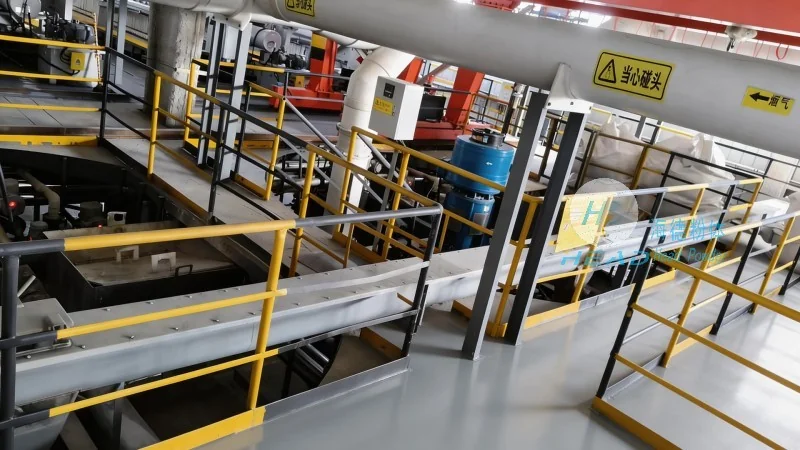
The core working principle of ternary material powder conveying systems involves the use of advanced pneumatic or mechanical technologies to transport fine powders through pipelines or containers. The system typically comprises several key components, including a material feed hopper, a conveying mechanism (such as a rotary valve, screw conveyor, or airlock), and a control system for regulating flow rates and pressure. The process begins with the material being fed from the hopper into the conveying device. Depending on the system design, either air (in pneumatic systems) or mechanical force (in mechanical systems) is used to move the powder through the pipeline to the discharge point. The control system ensures precise regulation of the flow, preventing issues like blockages or over-pressurization that could affect material quality or system performance.
Key Features of Ternary Material Powder Conveying Systems
Several key features distinguish high-quality ternary material powder conveying systems, making them ideal for demanding industrial applications. First, these systems are designed for high efficiency and reliability, ensuring consistent material flow rates and minimal downtime. The use of corrosion-resistant materials and advanced sealing technologies helps maintain the purity of the powders, which is critical for battery production where even trace contaminants can impact performance. Second, the systems offer excellent scalability, allowing them to be adapted for both small-scale laboratory operations and large-scale industrial production lines. This flexibility makes them suitable for various production volumes and applications. Third, modern systems incorporate intelligent control and monitoring capabilities, such as real-time pressure sensors and automated alarm systems, to enhance operational safety and efficiency. These features help operators maintain optimal conditions and quickly address any issues that may arise during operation.
Applications and Benefits in Battery Manufacturing
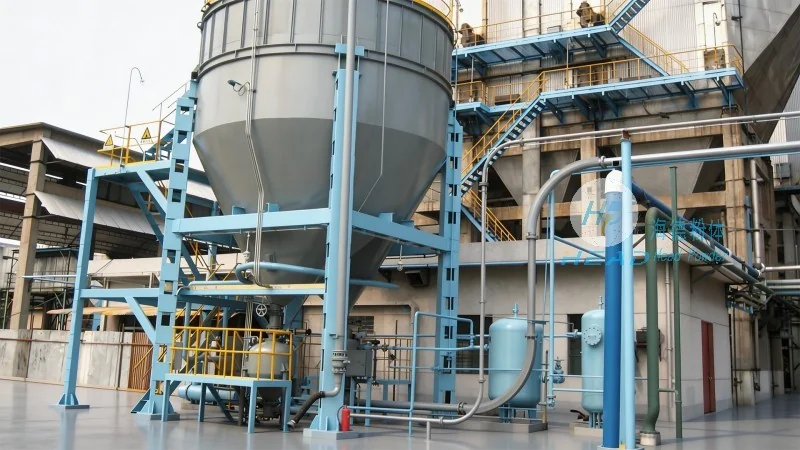
Ternary material powder conveying systems play a vital role in the battery manufacturing process, particularly in the stages where raw materials are transported to the mixing and coating equipment. The systems ensure that the powders are delivered in a controlled manner, maintaining their chemical and physical properties. This is essential for achieving uniform battery performance and extending the lifespan of the final products. By using these systems, manufacturers can reduce material waste, improve production throughput, and enhance overall operational safety. The reliability and precision of the conveying process also contribute to higher product quality and reduced costs over time.
Conclusion
In summary, ternary material powder conveying systems are sophisticated solutions that combine advanced engineering with practical design to meet the stringent requirements of modern battery production. The working principle, which relies on precise material handling and control mechanisms, ensures that powders are transported safely and efficiently. The key features, including high efficiency, scalability, and intelligent monitoring, make these systems indispensable in the battery and material science industries. For businesses seeking to optimize their production processes and improve product quality, investing in a reliable ternary material powder conveying system from a reputable manufacturer like Shandong HeadPowder Engineering Co., Ltd. is a strategic decision that can yield significant long-term benefits.