

The Working Principle and Features of Glass Fiber Cellulose Powder Conveying Systems
Understanding the operational mechanics and key attributes of glass fiber cellulose powder conveying systems is essential for industries that rely on efficient material handling. This article provides a detailed exploration of how these systems function and the distinct advantages they offer.
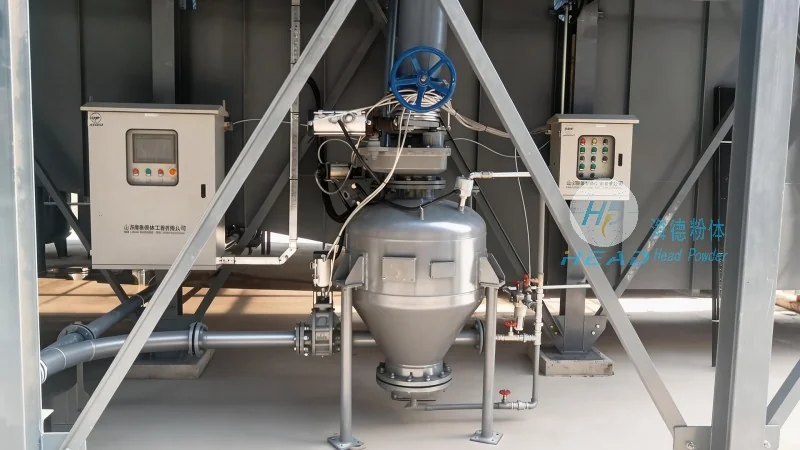
Introduction to Glass Fiber Cellulose Powder Conveying Systems
Glass fiber cellulose powder, a widely used material in various industrial applications, requires specialized conveying solutions to ensure safe and efficient transport. The systems designed for this purpose are engineered to handle the unique properties of glass fiber cellulose, such as its fine particle size, abrasive nature, and potential for static electricity. By addressing these challenges, the conveying systems enhance productivity and maintain material integrity throughout the process.
Core Working Principle of the Conveying System
The fundamental working principle of a glass fiber cellulose powder conveying system involves the use of positive displacement or pneumatic conveying technologies. These systems typically operate by creating a pressure differential to move the powder from the source to the destination. In positive displacement systems, a pump or rotary valve moves the material in discrete volumes, ensuring consistent flow rates. Pneumatic systems, on the other hand, utilize compressed air to transport the powder through a pipeline, leveraging the air's kinetic energy to propel the material forward.
Key components of the system include a hopper for material storage, a feeder to control the discharge rate, a conveying line (often equipped with filters or cyclones to prevent clogging), and a receiver for the delivered material. The design of these components is critical to the system's efficiency, as they must be compatible with the abrasive and potentially static-charged nature of glass fiber cellulose. Proper sealing and grounding mechanisms are also incorporated to prevent material loss and ensure safe operation.
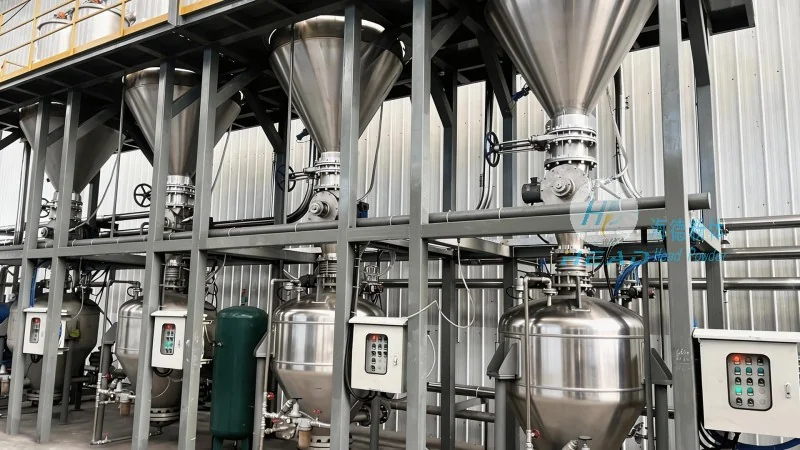
Key Features and Advantages of the System
The glass fiber cellulose powder conveying system offers several notable features that set it apart from conventional conveying solutions. One of the primary advantages is its ability to handle fine, abrasive powders without causing excessive wear on the equipment. This is achieved through the use of high-quality materials for the conveying components, such as stainless steel or specialized polymers, which resist corrosion and abrasion.
Another significant feature is the system's efficiency in maintaining material purity. The inclusion of filtration or cyclone separation in the design prevents contamination from dust or other particles, ensuring that the delivered glass fiber cellulose remains consistent in quality. This is particularly important in applications where the material's properties directly impact the final product, such as in pharmaceuticals or food processing.
The system also provides flexibility in terms of layout and integration. It can be customized to fit various plant configurations, allowing for horizontal, vertical, or mixed-direction conveying as needed. This adaptability makes it suitable for a wide range of industrial settings, from small-scale operations to large-scale manufacturing facilities.
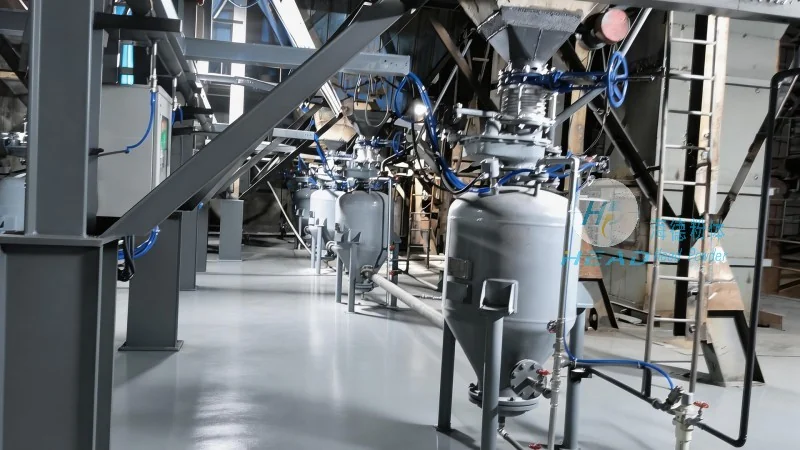
Application-Specific Benefits
For industries dealing with glass fiber cellulose, the conveying system's performance directly impacts operational outcomes. By reducing material handling time and minimizing downtime due to equipment wear or clogging, the system enhances overall productivity. Additionally, the consistent flow rates and controlled discharge rates help maintain process stability, leading to more reliable production results.
The system's ability to handle static electricity is another critical benefit. Glass fiber cellulose is prone to generating static charges, which can cause material buildup or even pose safety hazards. The design incorporates grounding and anti-static features to mitigate these risks, ensuring safe and efficient operation in environments where electrical safety is a priority.
Conclusion
Glass fiber cellulose powder conveying systems are sophisticated solutions that combine advanced engineering with practical design to meet the demanding requirements of modern industrial applications. By understanding their working principles and leveraging their key features, businesses can enhance material handling efficiency, maintain product quality, and improve overall operational performance. As a leader in this field, Shandong HeadPowder Engineering Co., Ltd. specializes in providing tailored conveying solutions that address the unique challenges of glass fiber cellulose powder transport.