

What is a Calcined Lime Powder Conveying Machine? And What Are Its Design Principles?
Calcined lime powder conveying machines are specialized equipment designed for the efficient and reliable transportation of calcined lime powder, a crucial material in various industrial applications. These machines play a vital role in processes where the consistent and safe movement of this fine powder is essential, ensuring optimal performance and operational efficiency in production lines.
Key Components and Design Principles
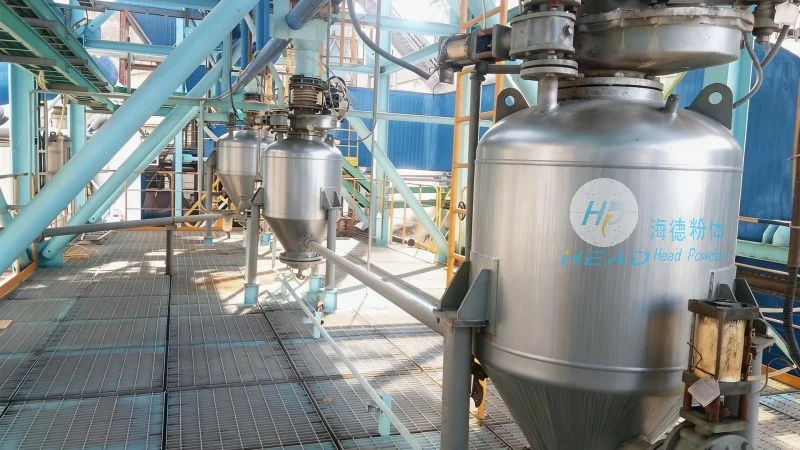
The design of a calcined lime powder conveying machine typically incorporates several key components that work in harmony to achieve effective powder handling. The system often includes a hopper for material storage, a feeding mechanism to control the flow of powder, and a conveying section that may utilize technologies such as pneumatic or mechanical systems. The choice of design depends on factors like the material's properties, the required conveying distance, and the desired throughput. For calcined lime powder, which is known for its fine particle size and potential for dust generation, the design must prioritize dust control and material integrity. This involves features like sealed housing, appropriate sealing mechanisms, and possibly air filtration systems to maintain a clean and safe working environment. The conveying mechanism, whether it's a screw conveyor, a pneumatic duct system, or a combination of both, is engineered to minimize particle degradation and ensure uniform flow. The design also considers the need for easy maintenance and cleaning, as calcined lime powder can adhere to surfaces and require regular upkeep to prevent blockages and maintain efficiency.
How the Machine Works: A Step-by-Step Overview
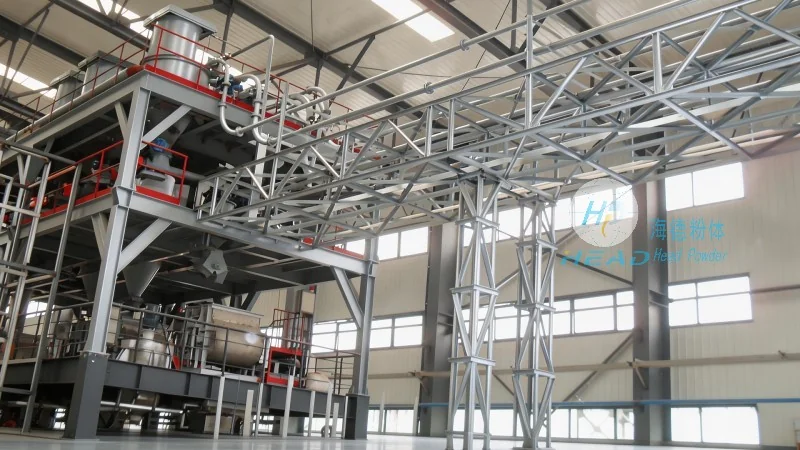
Operating a calcined lime powder conveying machine involves a series of coordinated steps that ensure the smooth movement of the material from the source to the destination. Initially, the calcined lime powder is fed into the hopper from a storage silo or a processing unit. The feeding mechanism, often a rotary valve or a gate valve, regulates the flow rate, preventing overloading and ensuring a steady supply to the conveying system. Once the powder enters the conveying section, it is propelled forward by the chosen mechanism. In pneumatic systems, compressed air creates a flow that carries the powder through the ducts, while mechanical systems use rotating screws or belts to move the material. The design of the ductwork and the conveying components is critical to maintain the velocity and pressure required to prevent material settling or clogging. At the discharge end, the powder is released into a receiving container or directly into the next processing stage. The entire process is controlled by a system of sensors and controls that monitor parameters such as pressure, flow rate, and temperature, ensuring that the operation remains within safe and efficient limits. This control system also allows for adjustments based on varying production demands, providing flexibility in handling different volumes of calcined lime powder.
Benefits and Applications in Industrial Settings
The use of a calcined lime powder conveying machine offers numerous benefits in industrial applications, particularly in sectors that rely on calcined lime for processes like flue gas desulfurization, water treatment, and chemical manufacturing. The primary advantage is the ability to handle the fine, dusty nature of calcined lime without causing material loss or contamination. By maintaining a sealed system, the machine prevents dust emissions, which is essential for compliance with environmental regulations and for maintaining a safe workplace. Additionally, the consistent flow and controlled delivery of the powder improve the quality and efficiency of downstream processes, reducing variability and waste. The design of the machine also minimizes the risk of material degradation, such as agglomeration or particle breakage, which can affect the performance of the final product. In industrial settings, where reliability and uptime are critical, these conveying machines are designed for durability and low maintenance, with components that can withstand the abrasive nature of calcined lime powder. This makes them suitable for continuous operation in demanding environments, ensuring that production lines can run smoothly without frequent interruptions. The applications of these machines are diverse, ranging from small-scale laboratory operations to large-scale industrial plants, where the efficient handling of calcined lime is essential for meeting production targets and maintaining operational standards.
About Shandong HeadPowder Engineering Co., Ltd.
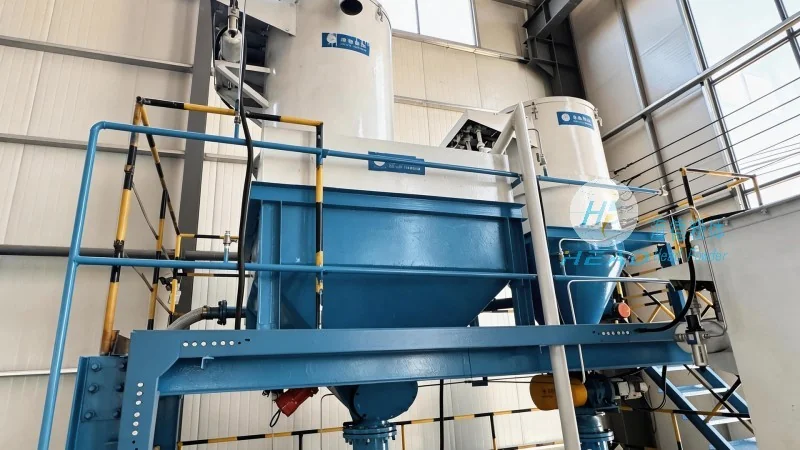
Shandong HeadPowder Engineering Co., Ltd. is a leading manufacturer specializing in the design and production of calcined lime powder conveying machines and related industrial equipment. With a focus on innovation and quality, the company has established itself as a trusted provider in the industry, serving clients across various sectors with reliable and efficient solutions. HeadPowder's expertise lies in understanding the unique challenges of handling calcined lime powder, and their designs are tailored to meet the specific needs of each application. The company's facilities are equipped with advanced technology and skilled personnel, ensuring that every product meets the highest standards of performance and durability. Based in Shandong, China, HeadPowder leverages its local expertise and resources to deliver products that are both cost-effective and environmentally friendly. The company's commitment to customer satisfaction is reflected in its comprehensive after-sales support, including maintenance services and technical assistance, which helps clients maximize the lifespan and efficiency of their equipment. With a reputation for excellence, HeadPowder continues to be a key player in the market, providing advanced solutions for the safe and efficient handling of calcined lime powder.