For industries that rely on precise and efficient handling of powdered additives, understanding the technology behind additive powder conveying machines is crucial. These specialized equipment are designed to transport various types of powdered materials, including additives used in manufacturing processes, with high accuracy and minimal product degradation. The design principles of such machines are tailored to address the unique challenges posed by powder handling, ensuring optimal performance and reliability.
Understanding Additive Powder Conveying Machines
An additive powder conveying machine is a system engineered to move powdered additives from a storage container to a processing unit or another location within a production facility. These machines are essential in sectors like pharmaceuticals, food processing, chemical manufacturing, and more, where the consistency and purity of additives are paramount. The core function of these systems is to ensure that powders are conveyed in a controlled manner, preventing issues such as caking, segregation, or loss of material during transport.
The Role of Additives in Industrial Processes
Before delving into the design principles of conveying machines, it's important to grasp the significance of additives in industrial applications. Additives are substances added to a base material to enhance its properties or performance. In many manufacturing processes, these additives are critical for achieving desired outcomes, whether it's improving the texture of food products, enhancing the strength of construction materials, or ensuring the efficacy of pharmaceutical formulations. The efficient handling of these additives is therefore a key consideration for any production line.
Key Design Principles of Additive Powder Conveying Machines
The design of an additive powder conveying machine is built upon several fundamental principles aimed at ensuring reliable and efficient operation. One of the primary considerations is the prevention of material degradation during transport. This involves controlling factors such as particle size, moisture content, and the risk of agglomeration. To achieve this, manufacturers employ various mechanisms, including aeration, vibration, and controlled flow rates. These techniques help maintain the integrity of the powder and prevent it from clumping together, which could lead to blockages or uneven distribution.
Another critical design principle is the need for precise control over the conveying rate. In many industrial applications, the amount of additive added to a product must be measured accurately to meet quality standards and regulatory requirements. Additive powder conveying machines are equipped with sensors and control systems that allow for precise dosing, ensuring that the correct quantity of powder is delivered at the right time. This level of control is essential for maintaining product consistency and avoiding waste.
Components and Mechanisms in Additive Powder Conveying Systems
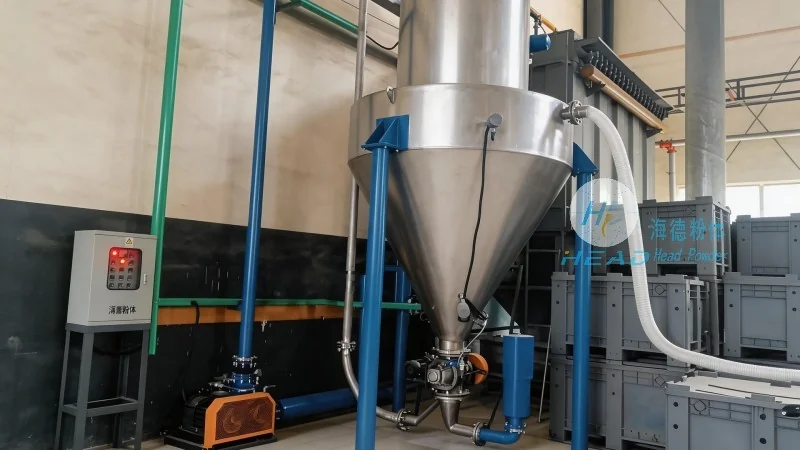
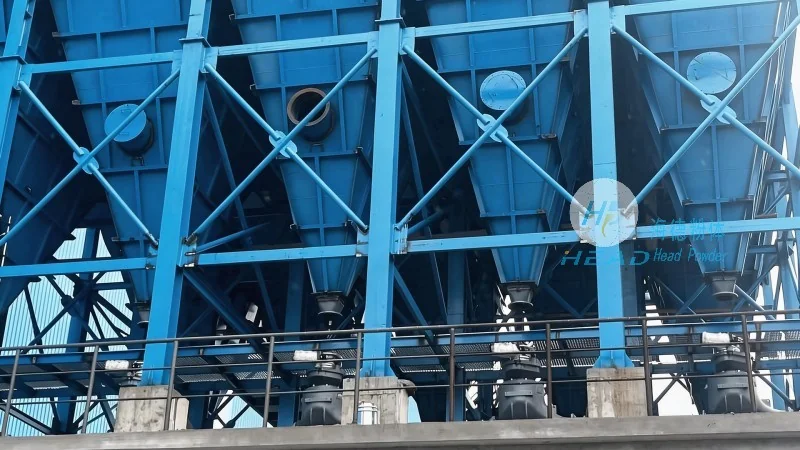
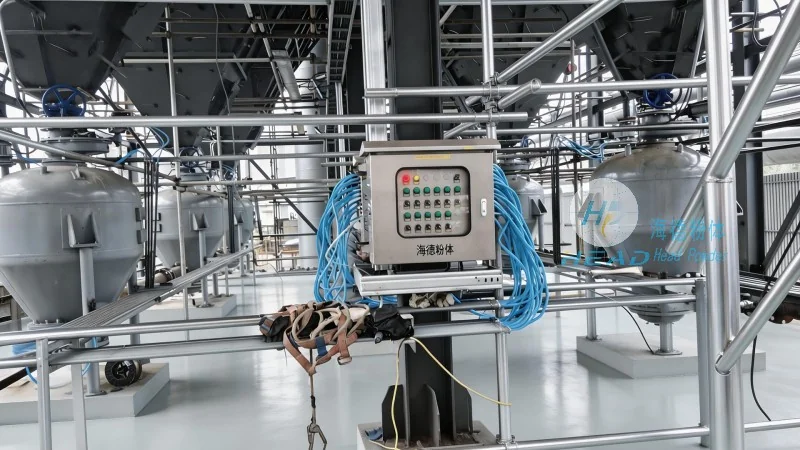
At the heart of an additive powder conveying machine are several key components that work in tandem to achieve the desired results. These typically include a hopper or storage bin for the powder, a conveyor mechanism (such as a screw, pneumatic, or rotary valve system), and a control unit. The hopper is designed to hold the additive in a way that minimizes segregation and allows for smooth discharge. The conveyor mechanism then transports the powder from the hopper to the processing point, using either mechanical or pneumatic force depending on the system's design.
For example, a screw conveyor is a common mechanism used in additive powder conveying systems. It consists of a rotating screw inside a tube, which pushes the powder forward as it rotates. This type of conveyor is effective for handling a wide range of powders and can be adjusted to control the flow rate. Another option is a pneumatic conveying system, which uses compressed air to move the powder through a pipeline. This method is particularly useful for transporting powders over longer distances or in environments where dust control is a priority.
Advantages of Using Additive Powder Conveying Machines
Implementing an additive powder conveying machine offers several advantages for industrial operations. First and foremost, these systems enhance the efficiency of the production process by automating the handling of powdered additives. This reduces the need for manual labor, minimizing the risk of human error and improving overall productivity. Additionally, the precise control over dosing and flow rates ensures that the final product meets quality standards consistently, reducing waste and rework.
Another advantage is the improved safety and hygiene in the workplace. Since the handling of powders is automated, there is less exposure to dust and airborne particles, which can be harmful to workers. This is particularly important in industries like pharmaceuticals and food processing, where maintaining a clean and sterile environment is critical. Furthermore, the enclosed design of many conveying systems helps contain dust and prevent contamination, ensuring that the additives remain pure throughout the process.
Applications in Various Industries
Additive powder conveying machines are widely used across multiple industries due to their versatility and effectiveness. In the pharmaceutical industry, these machines are used to transport active ingredients and excipients with high precision, ensuring that the final dosage forms are accurate and consistent. In the food industry, they are employed to handle flavorings, colorants, and other additives, maintaining the quality and safety of food products. Similarly, in the chemical and construction sectors, they are used to convey additives such as pigments, binders, and stabilizers, contributing to the production of high-quality materials.
Conclusion
In conclusion, additive powder conveying machines are essential equipment for industries that rely on the precise handling of powdered additives. The design principles behind these machines focus on maintaining the integrity of the powder, ensuring accurate dosing, and enhancing operational efficiency. By understanding the components and mechanisms of these systems, manufacturers can optimize their production processes and achieve better results. As technology continues to advance, we can expect further improvements in the design and functionality of additive powder conveying machines, making them even more integral to modern industrial operations.




