

Operation Process and Working Principle of Wheat Flour Pneumatic Conveying Equipment
Wheat flour pneumatic conveying equipment is a critical component in the food processing industry, particularly for handling and transporting wheat flour efficiently and hygienically. This equipment utilizes air to move flour from one location to another, ensuring a clean and controlled process that minimizes contamination and product loss. The operation of such systems is designed to meet the stringent requirements of modern flour mills and processing facilities, offering a reliable solution for bulk material handling.
Key Components of Pneumatic Conveying Systems
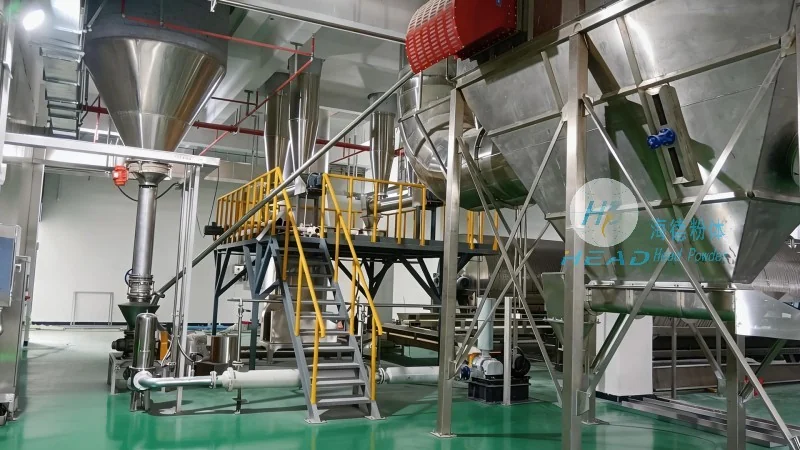
At the core of a wheat flour pneumatic conveying system are several key components that work in tandem to ensure smooth operation. These include the hopper or feed hopper, which holds the wheat flour; the air compressor or blower that generates the necessary air pressure; the conveying line, typically made of stainless steel to maintain hygiene; and the receiver or discharge hopper where the flour is deposited. Each component plays a vital role in the overall efficiency and effectiveness of the system. The feed hopper is designed to store the flour and feed it into the conveying line at a controlled rate, preventing overloading and ensuring consistent flow. The air compressor provides the pressure needed to move the flour through the system, with options ranging from positive displacement blowers to centrifugal fans depending on the system's requirements. The conveying line is often equipped with check valves or other flow control devices to prevent backflow and maintain a steady flow of material. The receiver is where the flour is collected, and it may include features like a dust collection system to ensure the environment remains clean and safe.
Operation Process of Wheat Flour Pneumatic Conveying
The operation process of a wheat flour pneumatic conveying system involves several steps that are carefully coordinated to ensure efficient material handling. First, the wheat flour is loaded into the feed hopper. The system then starts the air compressor, which generates the required air pressure. As the air flows through the conveying line, it lifts the flour particles and transports them to the receiver. The flow rate can be adjusted by controlling the air pressure or the feed rate from the hopper. This process allows for continuous or intermittent operation, depending on the needs of the facility. The system is designed to handle various types of flour, including all-purpose flour, whole wheat flour, and specialty flours, with minimal product degradation. The pneumatic conveying process is also known for its ability to handle sensitive materials without causing clumping or agglomeration, which is crucial for maintaining the quality of the flour.
Working Principle of Pneumatic Conveying
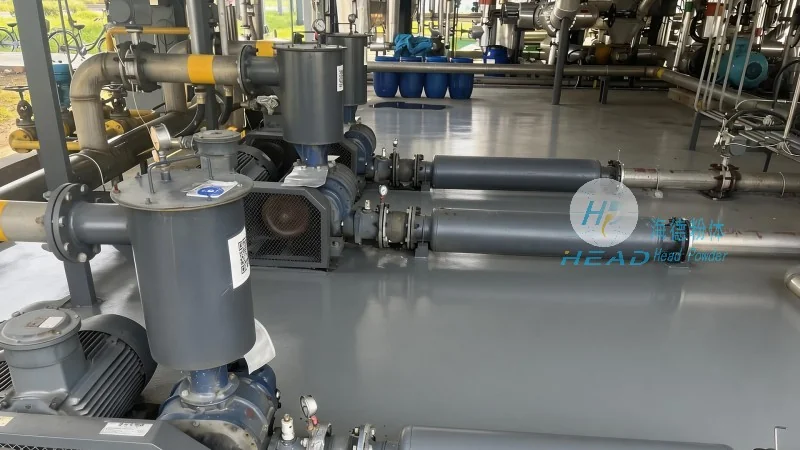
The working principle of wheat flour pneumatic conveying equipment is based on the use of air to transport solid particles. This method, known as pneumatic conveying, relies on the principle of fluidization, where the air flows through the conveying line at a velocity sufficient to suspend the flour particles. The air pressure created by the compressor forces the flour to move through the system, with the conveying line's design (such as the diameter and length) determining the system's capacity and efficiency. The system operates under either positive pressure or negative pressure, depending on the application. Positive pressure systems are commonly used for conveying flour from a central location to multiple destinations, while negative pressure systems are used for collecting flour from various points and transporting it to a central receiver. The choice of system depends on factors such as the distance to be covered, the number of transfer points, and the desired level of hygiene. The working principle also involves the use of appropriate air velocities to prevent particle deposition and ensure a smooth flow. Excessive air velocity can cause wear on the conveying line and increase energy consumption, while insufficient velocity may lead to blockages and reduced efficiency.
Benefits of Using Pneumatic Conveying Equipment for Wheat Flour
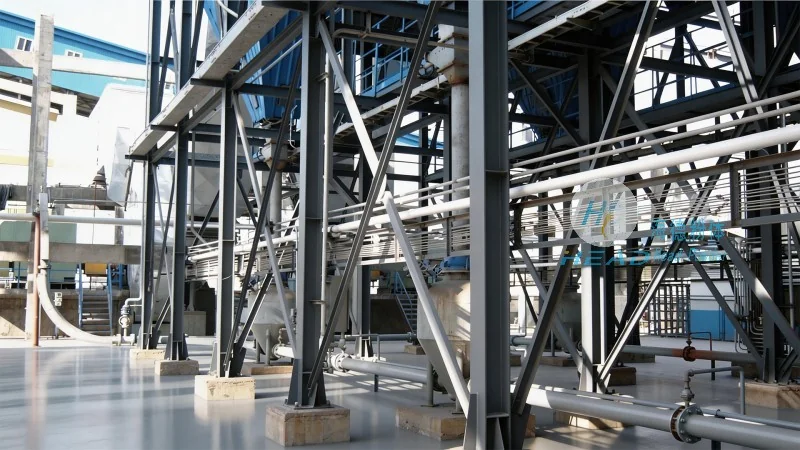
Implementing wheat flour pneumatic conveying equipment offers numerous benefits for food processing facilities. One of the primary advantages is the hygienic and clean operation, as the system is enclosed and uses stainless steel components that are easy to clean and maintain. This reduces the risk of contamination from external sources and ensures compliance with food safety regulations. Another key benefit is the efficiency in material handling, as the system can transport large quantities of flour quickly and continuously, reducing labor costs and increasing productivity. The system also minimizes product loss and degradation, as the flour is handled gently and without the need for manual handling. Additionally, pneumatic conveying systems are flexible and can be easily integrated into existing processing lines, allowing for future expansion or modifications. The energy efficiency of these systems is also a significant advantage, as modern air compressors and conveying lines are designed to minimize energy consumption while maintaining high performance. Overall, the use of pneumatic conveying equipment for wheat flour processing enhances operational efficiency, improves product quality, and ensures compliance with industry standards.
Applications in the Food Processing Industry
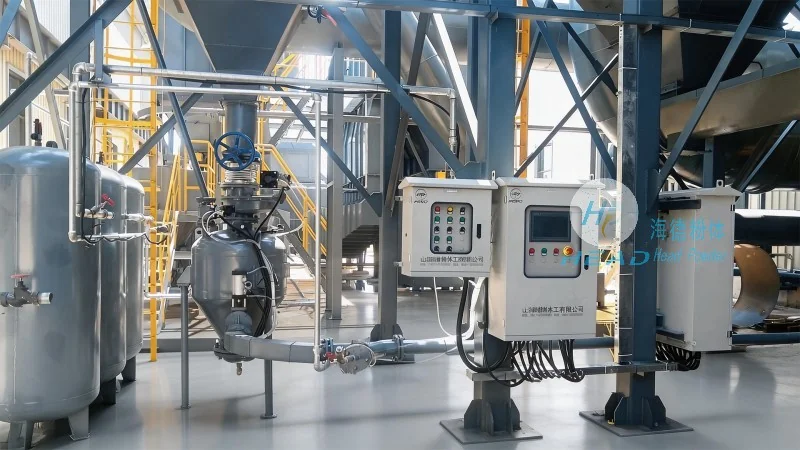
Wheat flour pneumatic conveying equipment is widely used in various applications within the food processing industry. In flour mills, these systems are used to transport raw wheat flour from storage silos to processing equipment, such as mixers or extruders. In bakery operations, the equipment is used to move flour from storage to baking lines, ensuring a consistent supply of ingredients. The systems are also used in food manufacturing facilities that produce flour-based products, such as pasta, cookies, and cakes. Additionally, the equipment is suitable for handling other dry powders, such as sugar, cocoa, and other food ingredients, making it a versatile solution for bulk material handling in the food industry. The ability to handle different types of powders and the flexibility of the system make it an essential component in modern food processing facilities.
Conclusion and Company Information
Wheat flour pneumatic conveying equipment is a vital technology in the food processing industry, offering efficient, hygienic, and reliable solutions for handling and transporting wheat flour. The operation process and working principle of these systems are designed to meet the demands of modern facilities, ensuring high productivity and product quality. As a leading provider in the industry, Shandong HeadPowder Engineering Co., Ltd. specializes in manufacturing and supplying high-quality pneumatic conveying equipment tailored to the specific needs of food processing facilities. With a focus on innovation and customer satisfaction, the company ensures that its products meet the highest standards of performance and hygiene. HeadPowder's equipment is designed to enhance operational efficiency, reduce costs, and improve product quality, making it a trusted partner for facilities worldwide. Located in Shandong, China, the company leverages its expertise and advanced technology to deliver solutions that meet the evolving needs of the food processing industry.