

Operation Process and Working Principle of Quicklime Pneumatic Conveying Equipment
Quicklime, also known as calcium oxide, is a vital industrial material utilized across sectors including construction, chemical manufacturing, and environmental treatment. The efficient and safe transportation of quicklime from production sites to processing facilities is crucial for maintaining operational efficiency and product quality. Pneumatic conveying systems have become a preferred solution for handling quicklime due to their ability to transport bulk materials in a dust-free and controlled manner. This article provides a detailed overview of the operation process and working principle of quicklime pneumatic conveying equipment, highlighting key components, operational steps, and technical aspects that ensure reliable performance.
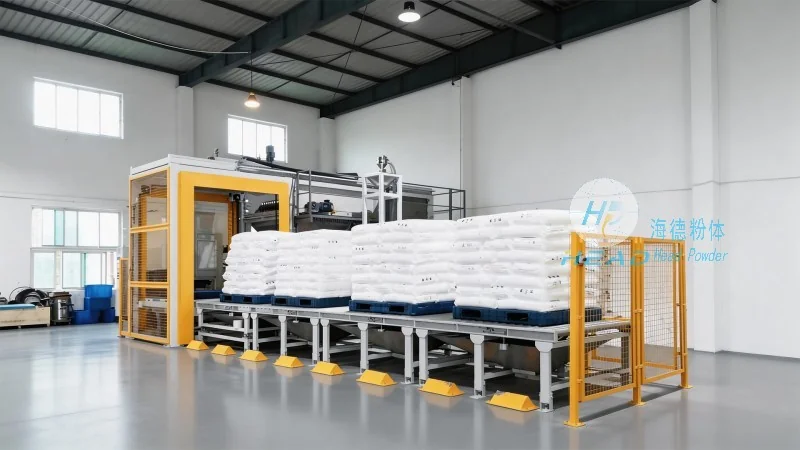
Company Profile and Background
HeadPowder, a leading manufacturer in bulk material handling equipment, specializes in designing and supplying advanced pneumatic conveying solutions. With a strong commitment to innovation and customer satisfaction, Shandong HeadPowder Engineering Co., Ltd. has established itself as a trusted partner for industries requiring efficient material transport systems. HeadPowder's expertise lies in customizing pneumatic conveying equipment to meet specific client needs, ensuring optimal performance and durability in demanding operational environments. The company's headquarters is located in Shandong, China, where state-of-the-art manufacturing facilities and research centers are dedicated to developing cutting-edge solutions for material handling challenges.
Overview of Quicklime Pneumatic Conveying Equipment
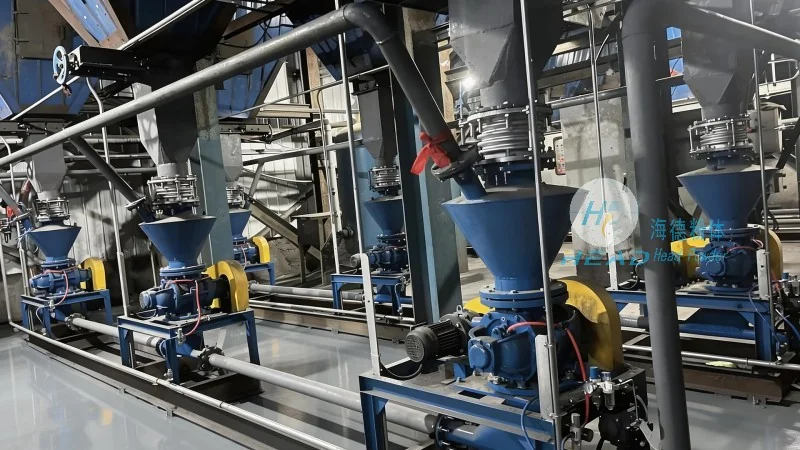
Quicklime pneumatic conveying equipment is a sophisticated system designed to transport quicklime powder or granules through a pipeline using compressed air or other gas. The system typically consists of several key components, including a hopper for material storage, a feeder to control the flow rate, a conveying line, and a receiver for material discharge. The design of the equipment is tailored to handle the unique properties of quicklime, such as its reactivity and potential for dust generation, ensuring safe and efficient operation. HeadPowder's quicklime pneumatic conveying systems are engineered to deliver high reliability, minimal maintenance, and consistent performance, making them suitable for both new installations and retrofitting existing facilities.
Working Principle of the Conveying System
The core working principle of quicklime pneumatic conveying equipment is based on pneumatic transport, where material is suspended and transported by a stream of air. The process begins with the material being fed from the hopper into the conveying line. A feeder, often a rotary valve or a screw feeder, regulates the flow rate of quicklime into the pipeline. Compressed air, generated by a blower or a positive displacement pump, is introduced into the conveying line at a controlled pressure. The air flow creates a negative pressure or a positive pressure environment, depending on the system design, which lifts and transports the quicklime particles through the pipeline. The conveying line is typically made of materials resistant to corrosion and abrasion, such as stainless steel or special alloys, to withstand the chemical and mechanical stresses associated with quicklime. At the receiving end, the material is discharged into a storage tank or processing equipment, while the air is filtered and recycled back into the system to minimize energy consumption and environmental impact.
Step-by-Step Operation Process
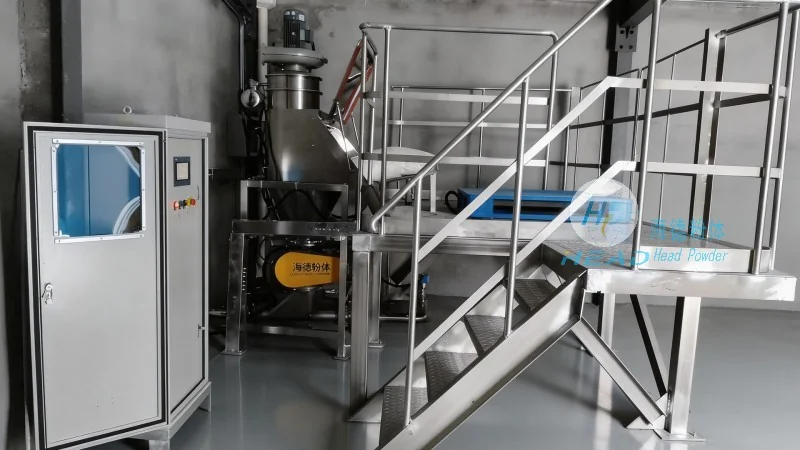
The operation of quicklime pneumatic conveying equipment involves a series of coordinated steps to ensure smooth and continuous material transport. The process starts with system preparation, which includes checking the air supply, verifying the integrity of the conveying line, and ensuring all components are properly lubricated and aligned. Once the system is ready, the material is fed into the hopper from the production or storage area. The feeder then regulates the flow rate, ensuring a consistent supply of quicklime into the conveying line. The compressed air is activated, creating the necessary pressure differential to initiate the conveying process. As the air flows through the pipeline, it lifts the quicklime particles, which are carried along the line to the receiving point. The receiving equipment, such as a silo or processing unit, is positioned to capture the material as it arrives. The system continues to operate until the required amount of quicklime has been transported, at which point the feeder and air supply are shut down. The entire process is monitored by control systems that track parameters such as pressure, flow rate, and material level, ensuring any deviations are detected and corrected promptly. HeadPowder's systems are equipped with advanced control technologies that enhance operational efficiency and safety, reducing downtime and improving overall productivity.
Key Technical Features and Advantages
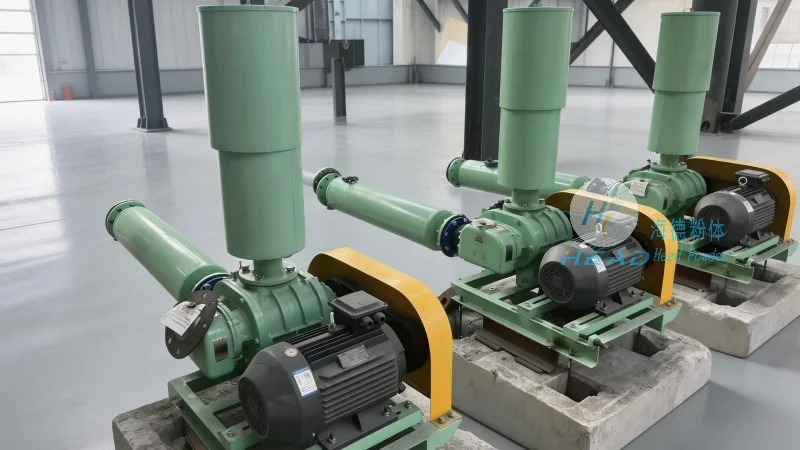
Quicklime pneumatic conveying equipment from HeadPowder incorporates several technical features that contribute to superior performance and reliability. One key advantage is the use of high-efficiency blower systems that provide consistent air pressure and flow rates, ensuring reliable material transport even at long distances. The conveying lines are designed with smooth inner surfaces and appropriate diameters to minimize friction and pressure losses, reducing energy consumption and extending system lifespan. The equipment also includes advanced filtration systems that capture fine particles and prevent dust emissions, complying with environmental regulations and maintaining a clean working environment. Additionally, HeadPowder's systems are equipped with safety features such as pressure relief valves and emergency shut-off mechanisms, protecting equipment and personnel from potential hazards. The modular design allows for easy maintenance and replacement of components, reducing downtime and maintenance costs. The company's commitment to quality control ensures each system is rigorously tested before delivery, guaranteeing it meets the highest standards of performance and durability.
Application and Industry Impact
Quicklime pneumatic conveying equipment is widely used in various industries reliant on efficient bulk material transport. In construction, quicklime is used as a raw material for cement production and concrete mixtures. The pneumatic conveying systems help transport quicklime from storage silos to cement plants, ensuring a continuous supply and reducing dust exposure risks. In chemical manufacturing, quicklime is used in producing calcium compounds like calcium chloride and calcium carbonate. Efficient transport via pneumatic systems improves production processes, enhancing product quality and reducing waste. The environmental industry also benefits, as quicklime is used in flue gas desulfurization and wastewater treatment. Controlled transport helps reduce emissions and improve environmental treatment efficiency. HeadPowder's quicklime pneumatic conveying systems have been successfully implemented in numerous industrial applications, providing clients with reliable and cost-effective solutions for their material handling needs.
Conclusion and Future Outlook
Quicklime pneumatic conveying equipment is a critical component in the efficient and safe handling of quicklime across various industrial applications. The working principle, based on pneumatic transport, combined with advanced control technologies and robust design, ensures reliable performance and minimal downtime. HeadPowder, with its expertise in bulk material handling, continues to innovate and develop cutting-edge solutions to meet evolving industry needs. By providing customized pneumatic conveying systems, HeadPowder helps clients improve operational efficiency, reduce costs, and enhance product quality. As industries prioritize sustainability and efficiency, the demand for advanced material transport solutions like quicklime pneumatic conveying equipment is expected to grow. HeadPowder's commitment to quality, innovation, and customer satisfaction positions it as a leading provider of such solutions, contributing to the advancement of industrial processes worldwide.