

Operating Process and Working Principle of Carbonaceous Pneumatic Conveying Equipment
Carbonaceous pneumatic conveying equipment serves as a vital component in powder handling systems, particularly in industries dealing with carbon-based materials. This equipment is engineered to efficiently transport carbonaceous powders, such as carbon black, graphite, and other carbon-derived substances, from one location to another. The design and operation of such systems are critical for ensuring optimal performance, minimizing material loss, and maintaining safety standards. This article provides a comprehensive overview of the operating process and working principle of carbonaceous pneumatic conveying equipment, while also highlighting the expertise of HeadPowder, a leading manufacturer based in Shandong, China.
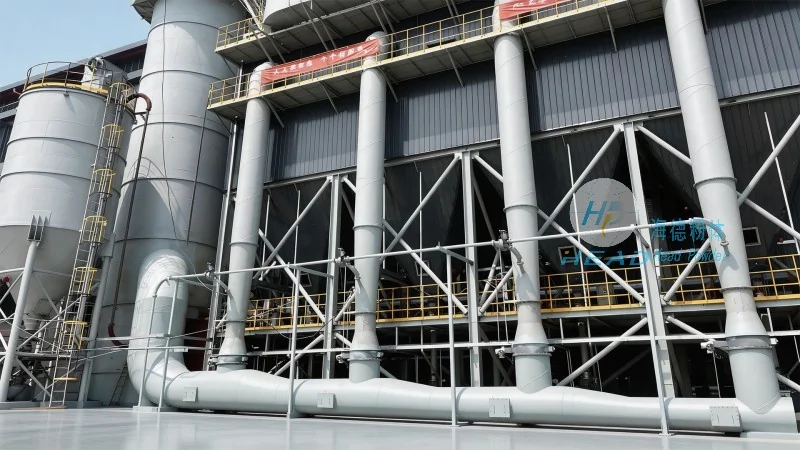
Company Profile: HeadPowder
HeadPowder, formally known as Shandong HeadPowder Engineering Co., Ltd., is a prominent manufacturer specializing in the development and production of advanced pneumatic conveying systems. The company has established a strong reputation in the carbon processing industry by delivering high-quality, reliable equipment tailored to the specific needs of its clients. HeadPowder's headquarters is situated in Shandong, China, where the company leverages local industrial resources and technical expertise to innovate and improve its products. The company's commitment to research and development ensures that its solutions meet the evolving demands of the market while adhering to international quality and safety standards.
Key Components of Carbonaceous Pneumatic Conveying Systems
A typical carbonaceous pneumatic conveying system comprises several essential components that work in unison to facilitate material transport. The primary components include the feed hopper, which stores and feeds the carbonaceous powder into the system. The hopper is equipped with a feeder, such as a rotary valve or a screw feeder, that regulates the flow rate of the material. This feeder ensures a consistent and controlled supply of powder, preventing blockages and maintaining system stability. The conveying line, usually constructed from stainless steel or other corrosion-resistant materials, forms the main pathway for the powder and air mixture. The line is fitted with various fittings, including elbows, tees, and reducers, which guide the flow and maintain pressure. The air source, typically a blower or a compressor, generates the necessary air pressure to move the powder through the system. The air filter and moisture separator are crucial for maintaining air quality and preventing contamination of the powder. Finally, the discharge hopper or silo collects the conveyed material, completing the process.
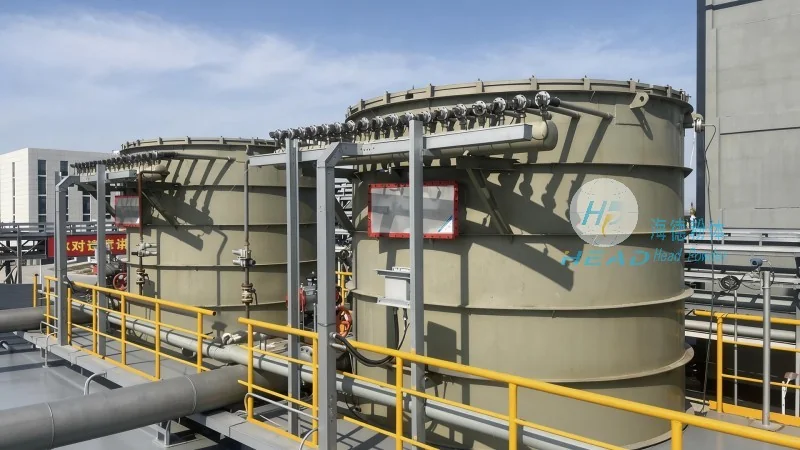
Operating Process of Carbonaceous Pneumatic Conveying Equipment
The operation of carbonaceous pneumatic conveying equipment involves a series of steps that ensure smooth and efficient transport of carbon-based powders. The process begins with loading the carbonaceous powder into the feed hopper. The feeder then controls the flow of the powder into the conveying line, ensuring a consistent feed rate. Simultaneously, the air source generates the required air pressure, which is introduced into the conveying line through the air inlet. The air and powder mixture is propelled through the system by the pressure differential created by the blower or compressor. As the mixture travels through the conveying line, it passes through various components, such as filters and separators, which remove dust and moisture. The discharge hopper collects the conveyed powder, which can then be used for further processing or storage. The entire process is automated, with sensors and controls monitoring and adjusting flow rates, pressure, and other parameters to maintain optimal performance. The system can operate continuously or on demand, depending on production requirements.
Working Principle of Carbonaceous Pneumatic Conveying Equipment
The working principle of carbonaceous pneumatic conveying equipment is based on the concept of pneumatic transport, where air acts as the conveying medium. The equipment utilizes pressure or vacuum systems to move the powder particles. In pressure systems, compressed air is introduced into the conveying line, creating a pressure differential that propels the powder. The powder particles are suspended in the air stream, forming a dense or dilute phase mixture. Dense phase conveying involves a higher powder concentration, resulting in efficient and cost-effective transport, while dilute phase conveying is suitable for longer distances or abrasive materials. The working principle also emphasizes the importance of maintaining air quality and preventing material degradation. The system ensures that the carbonaceous powder is transported with minimal loss and contamination, making it ideal for applications where material purity is critical.
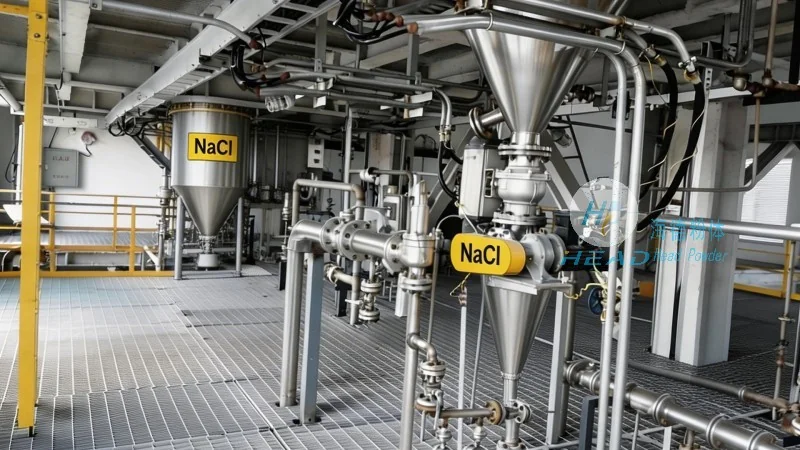
Advantages of Carbonaceous Pneumatic Conveying Equipment
Carbonaceous pneumatic conveying equipment offers several advantages over traditional material handling methods. One key advantage is the closed system design, which prevents dust emissions and contamination. This is particularly beneficial for carbonaceous powders, which can be hazardous if released into the environment. The closed system also helps maintain the quality and purity of the powder, ensuring it meets downstream process specifications. Another advantage is the flexibility of the system, which can be adjusted to handle different powder types, flow rates, and distances. The equipment is suitable for a wide range of particle sizes and shapes, making it versatile for various applications. Additionally, the system is compact and can be installed in limited spaces, which is advantageous for industrial facilities with space constraints. The automated operation reduces the need for manual labor, enhancing safety and efficiency. Finally, the equipment is energy-efficient, with optimized components that minimize energy consumption while maintaining performance.
Applications of Carbonaceous Pneumatic Conveying Equipment
Carbonaceous pneumatic conveying equipment is widely used in various industrial sectors, especially in the carbon processing industry. Common applications include transporting carbon black, graphite, and other carbon-based powders from storage silos to processing units. The equipment is also utilized in the chemical industry for moving carbonaceous materials in reactors and processing lines. In the food and pharmaceutical industries, it is employed to transport carbon-based additives or fillers, ensuring a clean and hygienic process. The equipment is further applied in the mining and mineral processing industry for handling carbonaceous ores and concentrates. Its versatility makes it suitable for both small-scale operations and large-scale industrial plants, catering to diverse production needs.