

Operation Process and Working Principle of Sodium Chloride Material Handling System
The Sodium Chloride Material Handling System is a specialized and highly efficient equipment designed for the transportation and handling of sodium chloride, commonly known as table salt or industrial salt. This system is crucial in various industrial processes, including chemical manufacturing, food processing, and water treatment, where the reliable and safe movement of sodium chloride is essential. Developed and manufactured by Shandong HeadPowder Engineering Co., Ltd., a leading company in material handling solutions based in Shandong, China, the system is engineered to meet the demanding requirements of modern industrial operations. The system ensures that sodium chloride is handled with precision, minimizing material loss, contamination, and operational downtime.
Key Components and Structural Design
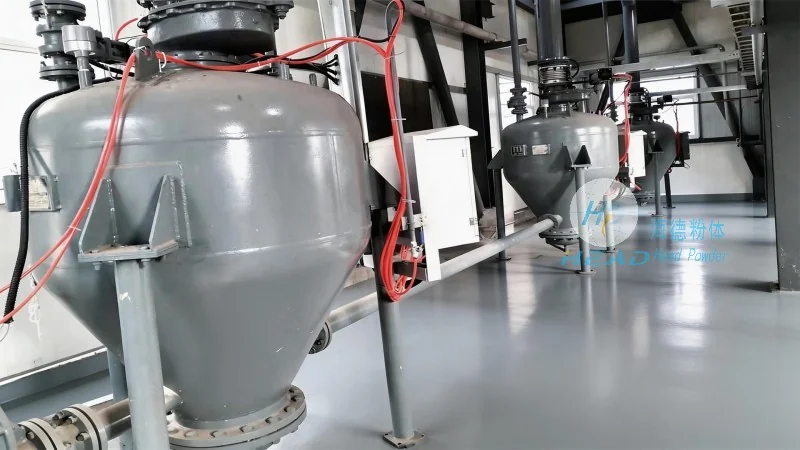
The system comprises several critical components that work in concert to achieve seamless material handling. The primary components include storage silos, conveyor systems, feeding mechanisms, control panels, and safety devices. The storage silos are constructed from durable materials such as stainless steel or reinforced concrete, which are resistant to the corrosive properties of sodium chloride. These silos are typically elevated to facilitate gravity-assisted flow of the material into the conveyor system. The conveyor belts, often equipped with special coatings or materials, are designed to prevent material buildup and ensure smooth movement. The feeding mechanisms, which may include screw conveyors or rotary valves, regulate the flow of sodium chloride from the silos to the conveyor system. The control panels allow operators to monitor and adjust system parameters, such as speed and direction, ensuring optimal performance. Safety devices, including emergency stop buttons and overload sensors, are integrated to prevent accidents and protect personnel and equipment.
Operation Process and Workflow
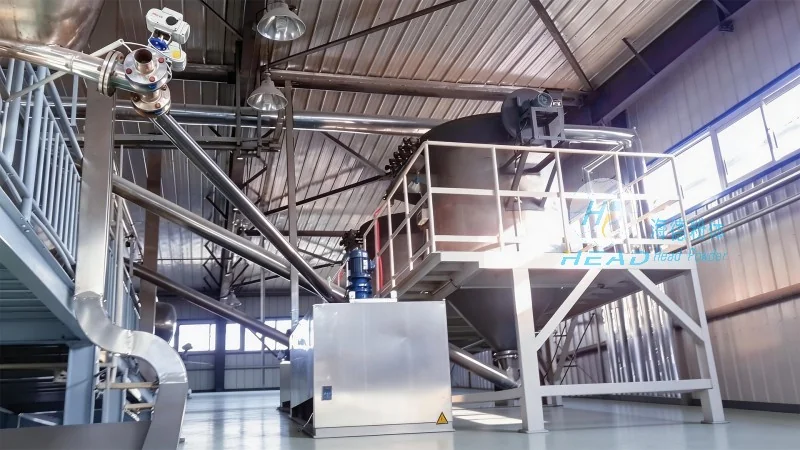
The operation of the Sodium Chloride Material Handling System follows a systematic and controlled workflow. The process begins with the loading of sodium chloride into the storage silos. The material is then released from the silos into the conveyor system through the feeding mechanisms. The conveyor belts transport the sodium chloride to the processing units or other destinations. The control panels enable operators to adjust the speed and direction of the conveyor belts, as well as monitor the material flow rate. The system is equipped with sensors that detect any blockages or abnormalities in the conveyor system, triggering alarms or automatic shutdowns to prevent damage. This automated monitoring and control system ensures that the material is delivered to its destination in a timely and consistent manner, minimizing downtime and maximizing productivity. The entire operation is designed to be flexible, allowing for adjustments to accommodate different types of sodium chloride, such as fine powders or granules, and varying processing requirements.
Working Principle and Mechanical Functionality
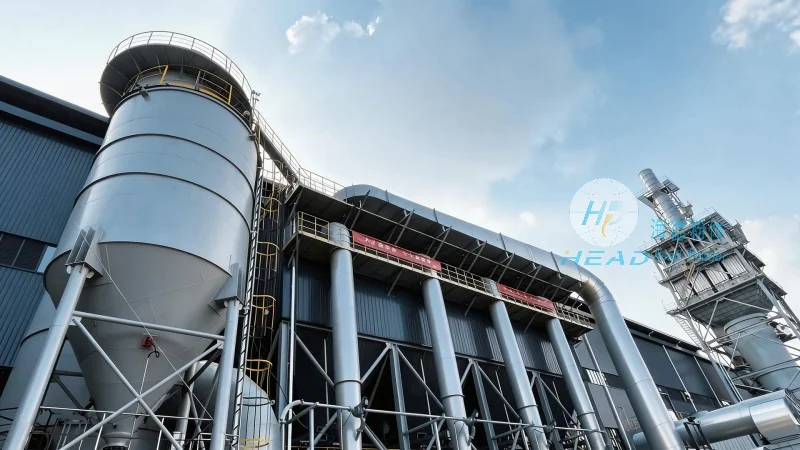
The working principle of the Sodium Chloride Material Handling System is based on the fundamental principles of gravity and mechanical force. The elevated storage silos allow gravity to assist in the flow of sodium chloride into the conveyor system, reducing the need for additional power for initial material movement. The feeding mechanisms, such as screw conveyors, utilize rotational motion to move the material forward, ensuring a consistent and controlled flow. The conveyor belts, which may be belt or chain-driven, transport the material horizontally or at an incline, depending on the system design. The control panels regulate the speed and direction of the conveyor system, ensuring that the material is moved at the appropriate rate for the specific application. The safety devices are integrated to detect any issues, such as overloading or blockages, and initiate protective measures to prevent accidents. The system is designed to handle various forms of sodium chloride, including dry powders and granules, with minimal loss or degradation. The overall design emphasizes cleanliness and hygiene, making it suitable for both industrial and food-grade applications, where the material must meet stringent quality and safety standards.
Advantages, Applications, and Industry Impact
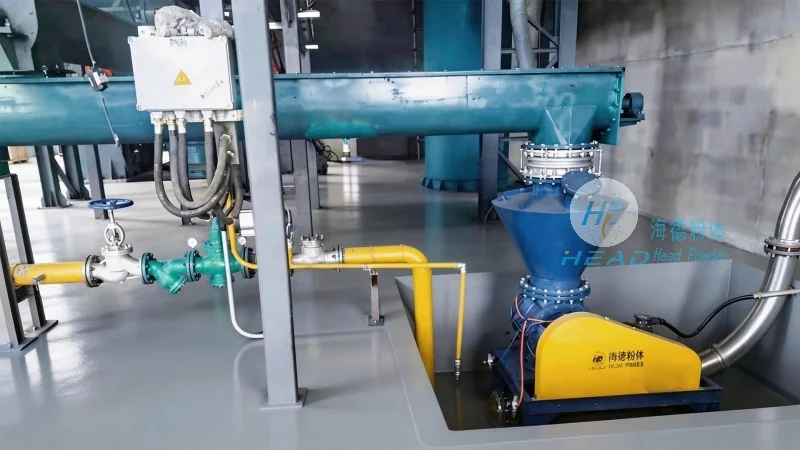
The Sodium Chloride Material Handling System offers several key advantages that make it a preferred choice for industrial applications. These advantages include high efficiency, low maintenance costs, and reliable performance. The system is capable of handling large volumes of sodium chloride, making it suitable for large-scale production facilities. The system is also designed to be flexible, allowing for adjustments to accommodate different types of materials or processing requirements. The system is widely used in various industries, including chemical manufacturing, food processing, and water treatment. In chemical manufacturing, the system is used to transport sodium chloride to reactors or other processing units, where it serves as a raw material for the production of other chemicals. In food processing, the system is used to transport salt to food production lines, ensuring consistent flavor and quality. In water treatment, the system is used to transport salt for desalination or water softening processes, where it plays a critical role in purifying water. The system is also used in other industries, such as pharmaceuticals and textiles, where sodium chloride is used as a raw material or processing aid. The reliable operation of the system contributes to increased productivity and reduced operational costs, making it a valuable asset for any industrial facility.