Gray calcium is a widely used industrial material, and the efficient transportation of this material is crucial for many production processes. Pneumatic conveying equipment, particularly for gray calcium, offers a reliable and flexible solution to handle bulk material transport. This article provides an in-depth look at the operation process and working principle of such equipment, highlighting its key components, operational workflow, and the technical aspects that ensure effective material handling.
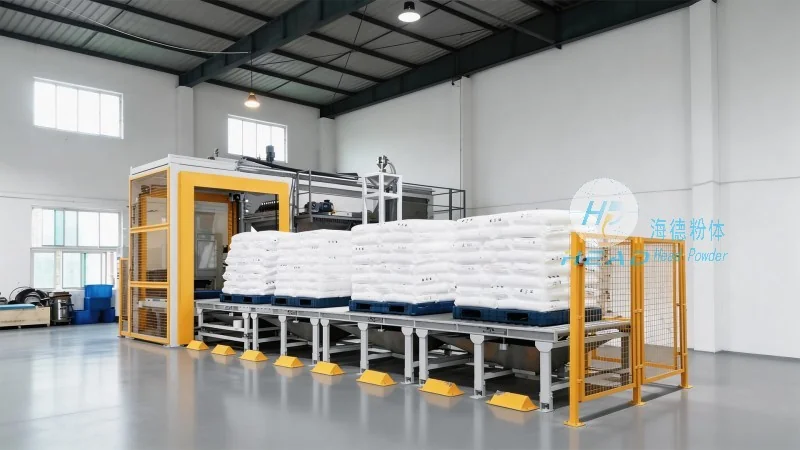
Overview of Gray Calcium Pneumatic Conveying Systems
Gray calcium, often used in construction, chemical, and food industries, requires specialized equipment for safe and efficient transport. Pneumatic conveying systems utilize air or gas to move dry bulk materials like gray calcium through a pipeline network. These systems are designed to handle various material characteristics, including particle size, density, and moisture content, ensuring minimal material degradation and loss during transport.
Key Components of the Pneumatic Conveying System
The operation of gray calcium pneumatic conveying equipment relies on several critical components that work in tandem to achieve efficient material transport. The main components include the material hopper, feeder, air compressor, conveying pipeline, and dust collector. Each component plays a vital role in the overall system performance.
1. Material Hopper: This is the storage container where gray calcium is initially loaded. It is designed to hold the bulk material and provide a consistent feed to the feeder. The hopper typically features a conical or rectangular shape to facilitate material flow and prevent blockages.
2. Feeder: The feeder is responsible for controlling the flow rate of gray calcium from the hopper into the conveying pipeline. Common types include rotary valves, screw feeders, or vibratory feeders, which ensure a steady and regulated material discharge. Proper feeder selection is crucial to maintain consistent air-to-material ratios and prevent system surges or blockages.
3. Air Compressor: The air compressor generates the necessary air pressure to move the gray calcium particles through the pipeline. It can be a positive displacement or centrifugal type, depending on the system requirements. The compressor must provide sufficient airflow and pressure to overcome the resistance in the pipeline and lift the material to the desired destination.
4. Conveying Pipeline: The pipeline is the main transport channel where gray calcium is carried by the air stream. It is usually made of stainless steel or other corrosion-resistant materials to withstand the abrasive nature of the material and the effects of air pressure. The pipeline design, including bends and elbows, is optimized to minimize pressure drop and maintain material velocity.
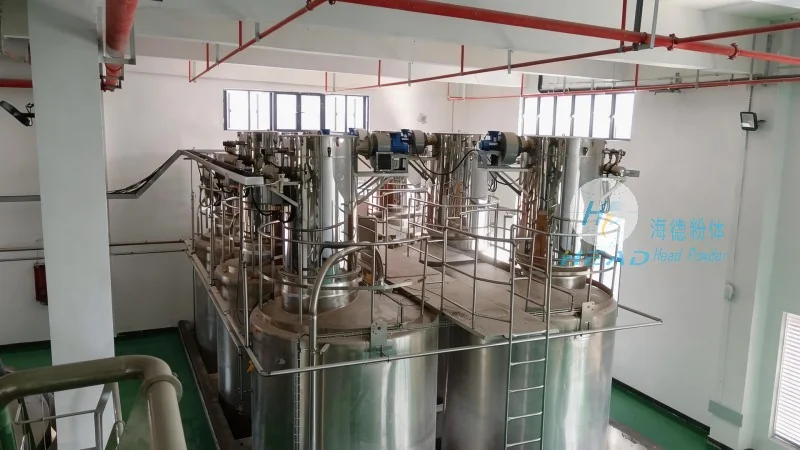
5. Dust Collector: To ensure environmental compliance and operator safety, a dust collector is integrated into the system. It captures any fine particles that may escape the conveying process, preventing dust emissions and maintaining a clean working environment. The dust collector typically uses filtration systems to separate the material from the air stream and return the material to the system or dispose of it as required.
Working Principle of Gray Calcium Pneumatic Conveying
The working principle of gray calcium pneumatic conveying equipment is based on the principle of fluidization and suspension of the material particles in an air stream. When the air compressor provides a high-pressure air flow, the air enters the conveying pipeline and interacts with the material in the hopper. The feeder then introduces the gray calcium into the pipeline, where the air flow lifts and transports the particles through the system.
The key to efficient pneumatic conveying is maintaining an appropriate air-to-material ratio. If the air flow is too low, the material may not be fully suspended and could settle in the pipeline, leading to blockages. Conversely, if the air flow is too high, it can cause excessive pressure drop and energy waste. The system is designed to optimize this ratio based on the material characteristics and the distance to be covered.
During the conveying process, the gray calcium particles are kept in suspension by the high-velocity air stream. The pipeline's design, including the use of bends and straight sections, is carefully engineered to maintain the material's velocity and prevent deposition. The system also includes pressure sensors and flow meters to monitor the air pressure and flow rate, ensuring the process operates within optimal parameters.
Operation Process of the Gray Calcium Pneumatic Conveying Equipment
The operation process of gray calcium pneumatic conveying equipment involves several sequential steps that ensure smooth and continuous material transport. The process typically starts with the loading of gray calcium into the material hopper. The hopper is then sealed to prevent dust emissions and maintain material integrity.
Once the hopper is loaded, the feeder is activated to control the flow rate of gray calcium into the conveying pipeline. Simultaneously, the air compressor is started, generating the necessary air pressure to move the material. The air stream enters the pipeline and lifts the gray calcium particles from the hopper, carrying them through the system to the destination point, such as a storage silo or processing unit.
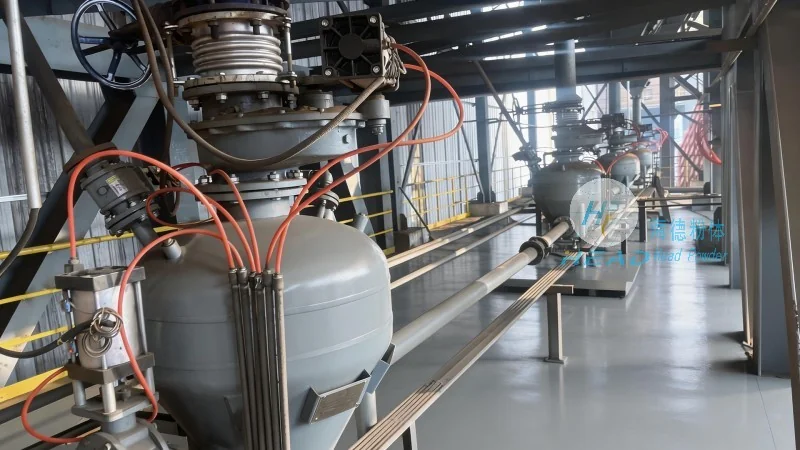
As the material travels through the pipeline, it may encounter bends or changes in direction. The pipeline design includes appropriate fittings and elbows to guide the material flow without causing excessive pressure loss or material degradation. The dust collector is continuously operating to capture any fine particles that may be carried along with the air stream, ensuring that the system remains clean and compliant with environmental regulations.
The receiving end of the system typically includes a silo or a processing unit where the gray calcium is deposited. The material is then discharged from the pipeline into the receiving container, completing the transport cycle. The system may also include a feedback control mechanism to adjust the feeder speed or air pressure based on the material level in the hopper or the pressure in the pipeline, ensuring stable operation.
Advantages and Considerations for Gray Calcium Pneumatic Conveying
Gray calcium pneumatic conveying equipment offers several advantages over traditional mechanical conveying methods. These include reduced material handling costs, improved safety by eliminating manual handling, and the ability to transport materials over long distances without the need for intermediate storage or transfer points. The system is also flexible, allowing for changes in material flow rates and destinations without major modifications.
However, there are also considerations to keep in mind when implementing such a system. The initial investment cost can be higher compared to mechanical conveyors, and the energy consumption is typically higher due to the air compressor operation. Additionally, the system requires regular maintenance to ensure optimal performance, including cleaning of the pipeline and dust collector, and checking of the feeder and compressor components.
Proper system design and maintenance are essential to maximize the efficiency and longevity of gray calcium pneumatic conveying equipment. This involves selecting the appropriate components based on the material characteristics and system requirements, as well as implementing regular maintenance schedules to address any potential issues before they become major problems.
Conclusion
Gray calcium pneumatic conveying equipment is a critical component in many industrial applications, providing an efficient and reliable method for transporting bulk materials. The operation process and working principle of such equipment involve a series of well-coordinated components and steps, designed to ensure the safe and effective movement of gray calcium. By understanding the key components, working principles, and operational processes, users can optimize the performance of their pneumatic conveying systems and achieve better material handling outcomes.




