

Working Principle and Features of Waste Powder Conveying Systems
Waste powder conveying systems are critical components in modern waste management and industrial processing, designed to transport bulk particulate materials efficiently and safely. These systems play a vital role in handling various types of waste powders, including municipal solid waste, industrial byproducts, and other hazardous or non-hazardous materials. The primary objective of such systems is to ensure reliable material transfer while maintaining operational safety, environmental compliance, and cost-effectiveness.
Working Principle of Waste Powder Conveying Systems
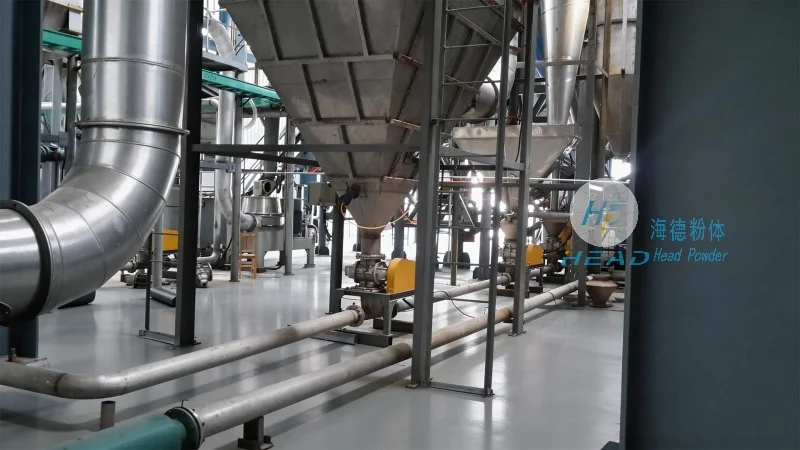
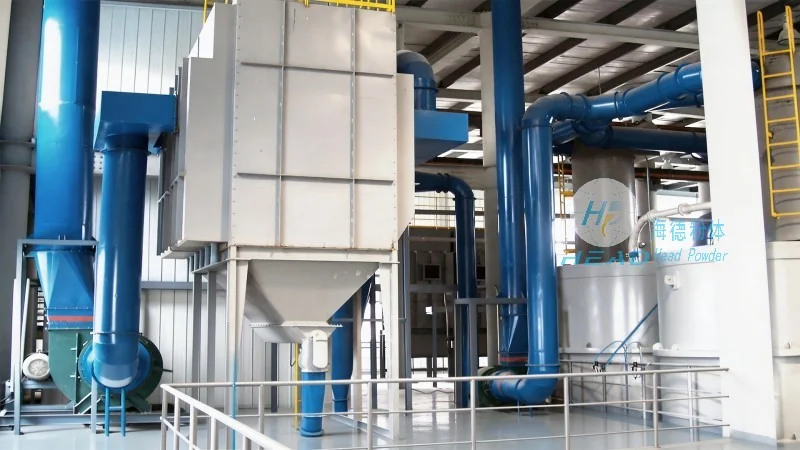
The operational principle of a waste powder conveying system involves a coordinated sequence of components and processes. At the core, the system comprises a feeding unit (hopper or feeder) that collects and prepares the powder for transport, a conveying mechanism (such as pneumatic, screw, or belt conveyor) that moves the material, and a control system that regulates the entire operation. The feeding unit ensures a consistent and controlled flow of material into the conveyor, preventing overloading or blockages. In pneumatic systems, compressed air is introduced to create a flow of air and powder, while mechanical systems rely on the rotation of screws or belts to push the material forward. The control system monitors key parameters like pressure, flow rate, and temperature, adjusting the process in real-time to maintain optimal performance and prevent system failures.
Key Features of Waste Powder Conveying Systems from Shandong HeadPowder Engineering Co., Ltd.
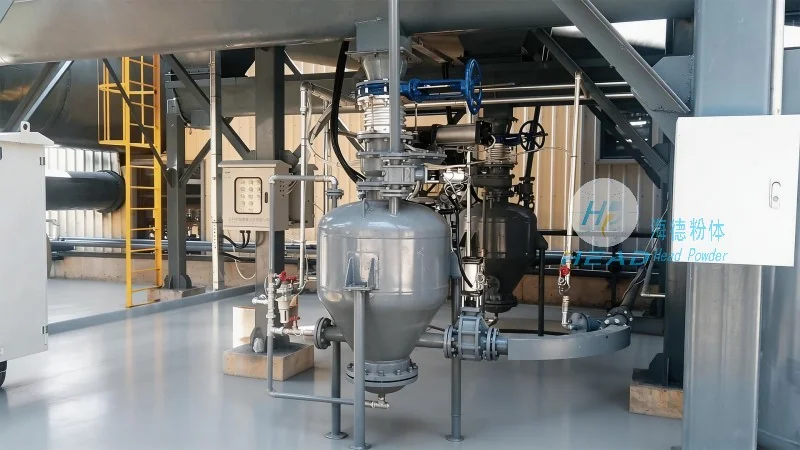
Waste powder conveying systems manufactured by Shandong HeadPowder Engineering Co., Ltd. are distinguished by several advanced features that enhance their performance and reliability. One prominent feature is the use of corrosion-resistant materials, which is essential for handling acidic or alkaline waste powders and ensuring long-term durability. The systems are also equipped with integrated dust suppression and filtration systems, minimizing air pollution and protecting the environment and workplace safety. Additionally, the design incorporates user-friendly control interfaces and easy maintenance features, reducing operational downtime and maintenance costs. The equipment is engineered for high efficiency, with low energy consumption and minimal material loss during transport. These features collectively contribute to the effectiveness and sustainability of waste management processes.
Applications and Advantages in Waste Management
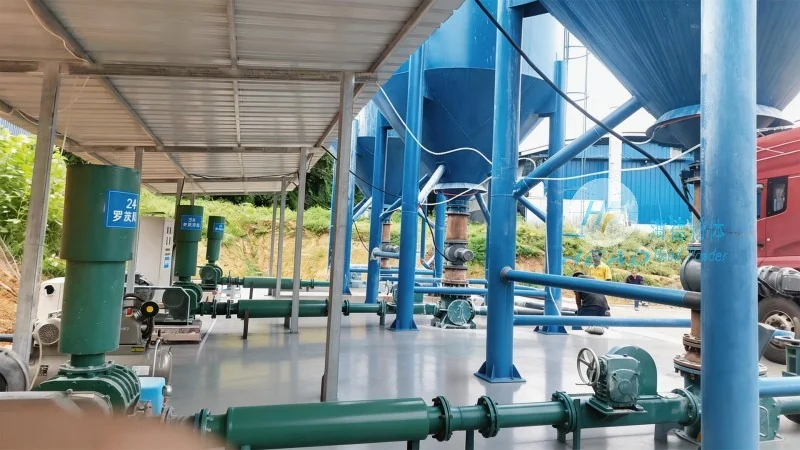
Waste powder conveying systems are widely utilized in municipal waste processing facilities, industrial waste treatment plants, and recycling centers. They offer significant advantages, including improved material handling efficiency, reduced labor requirements, and enhanced safety for workers. By automating the transport of waste powders, these systems minimize human exposure to hazardous materials and reduce the risk of spills or leaks, which can cause environmental contamination. The reliability and durability of the equipment ensure consistent performance over extended periods, making them a cost-effective solution for long-term waste management operations. Furthermore, the systems support sustainable practices by enabling proper disposal or recycling of waste materials, contributing to environmental conservation.