

The Working Principle and Features of Yellow Sand Powder Conveying Systems
Understanding the working principle and features of yellow sand powder conveying systems is crucial for industries that rely on efficient material handling. This article provides a detailed overview of how these systems operate and the key characteristics that make them effective solutions for transporting yellow sand, a common raw material in construction and manufacturing.
Introduction to Yellow Sand Powder Conveying Systems
Yellow sand, often used in construction, glass manufacturing, and other industrial processes, requires reliable and efficient conveying systems to move it from storage to processing units. The systems designed for this purpose are engineered to handle the unique properties of yellow sand, such as its particle size, density, and flow characteristics. By leveraging advanced technology, these systems ensure minimal material loss, consistent flow rates, and enhanced safety in operation.
The Working Principle of Yellow Sand Powder Conveying Systems
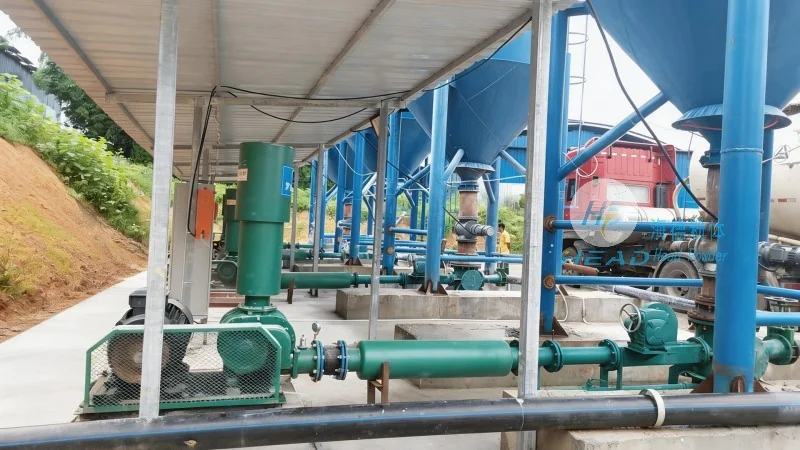
At the core of yellow sand powder conveying systems is a combination of mechanical components that work in tandem to transport the material. The process typically begins with the material being fed into a hopper or storage silo. From there, it is transferred to a conveyor system, which may include components like screw conveyors, pneumatic conveyors, or belt conveyors, depending on the system design. The working principle involves the following key steps:
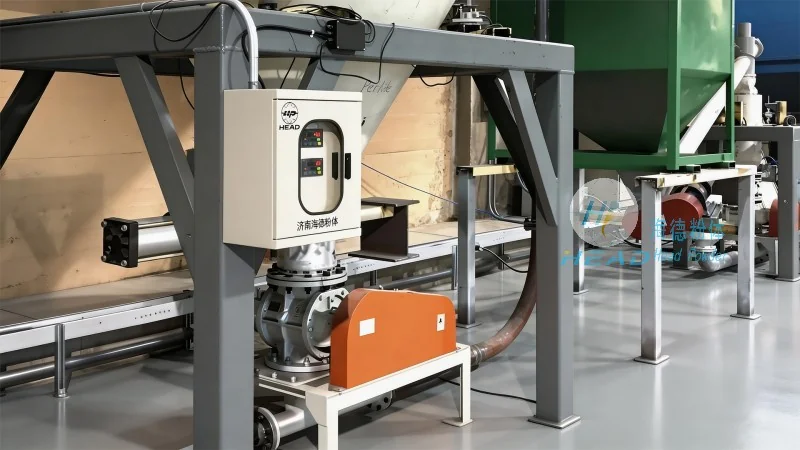
- Material Feeding: The yellow sand is introduced into the system through a hopper or feeder, which regulates the flow rate to prevent overloading or underflow.
- Conveying Mechanism: The material is then moved through the conveyor system. For example, a screw conveyor uses rotating screws to push the sand forward, while a pneumatic conveyor uses air pressure to transport the material in a sealed pipeline.
- Control and Regulation: Advanced control systems monitor the flow rate, pressure, and other parameters to ensure consistent operation and prevent blockages or system failures.
Key Features of Yellow Sand Powder Conveying Systems
Yellow sand powder conveying systems from Shandong HeadPowder Engineering Co., Ltd. (headpowder) are designed with several key features that enhance their performance and reliability. These features include:
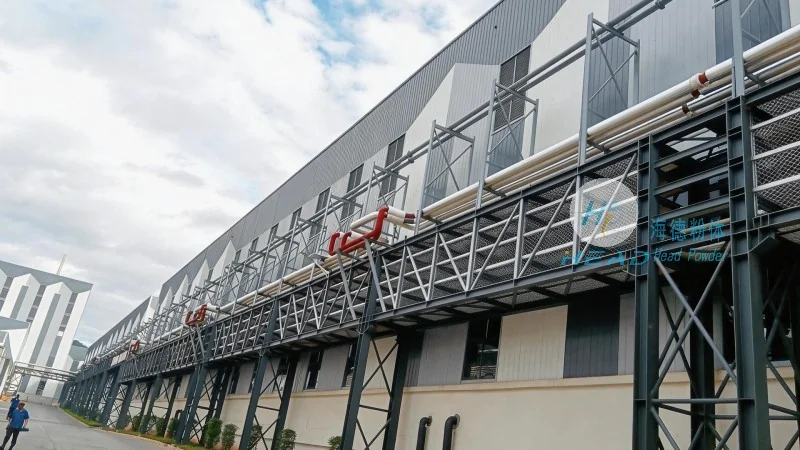
- High Efficiency and Low Maintenance: The systems are built with durable materials and components that can withstand the abrasive nature of yellow sand, reducing the need for frequent maintenance and increasing operational efficiency.
- Customizable Design: Each system is tailored to the specific requirements of the client, including the volume of material to be transported, the distance of transport, and the desired flow rate.
- Energy Efficiency: Advanced motor and control systems minimize energy consumption while maintaining optimal performance, making the systems cost-effective for long-term use.
- Safety and Reliability: The systems incorporate safety features such as overload protection, emergency stop buttons, and monitoring systems to ensure safe operation and prevent accidents.
Advantages of Using Yellow Sand Powder Conveying Systems
Implementing a yellow sand powder conveying system offers several advantages for industrial applications. These include improved productivity through consistent and reliable material transport, reduced labor costs due to automated operation, and enhanced safety by minimizing manual handling of the material. Additionally, the systems help in maintaining a clean and organized work environment by preventing dust and spillage.
Conclusion
Yellow sand powder conveying systems are essential for industries that handle yellow sand, providing efficient, reliable, and safe material transport solutions. With their advanced working principles and key features, these systems from Shandong HeadPowder Engineering Co., Ltd. (headpowder) are designed to meet the specific needs of various industrial applications, ensuring optimal performance and long-term value.