Synthetic fiber pneumatic conveying systems represent a sophisticated approach to material handling, offering significant advantages in efficiency and environmental sustainability. As industries seek to optimize their material transport processes while minimizing ecological impact, these systems have emerged as a preferred solution. The technology leverages the unique properties of synthetic fibers to create a flexible, reliable, and low-maintenance method for moving bulk materials through a pressurized air system.
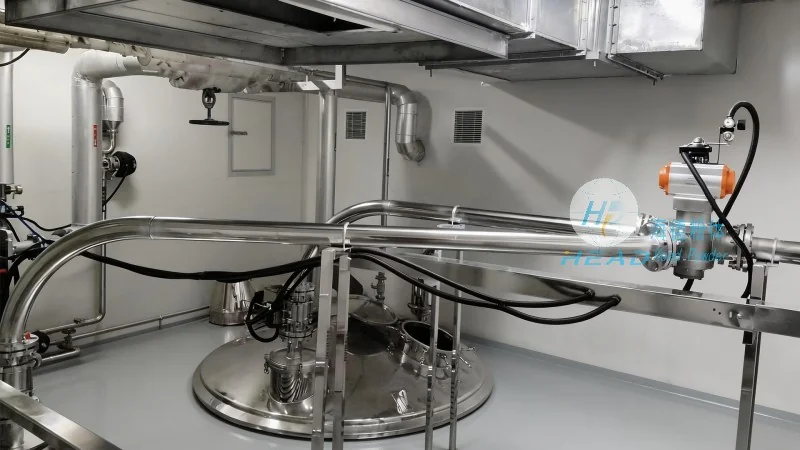
Key Advantages of Synthetic Fiber Pneumatic Conveying
One of the primary benefits of synthetic fiber pneumatic conveying is its high efficiency in material transport. The system can handle a wide range of materials, from fine powders to bulk solids, with minimal loss and maximum throughput. This efficiency is achieved through the use of specialized synthetic fibers that provide excellent air flow characteristics and resistance to wear and tear. Additionally, the system operates with lower energy consumption compared to traditional mechanical conveying methods, contributing to cost savings and reduced operational expenses over time.
The environmental benefits of synthetic fiber pneumatic conveying are equally compelling. By eliminating the need for mechanical components like belts, chains, or buckets, the system reduces the risk of material contamination and mechanical failure. This not only minimizes waste but also lowers the carbon footprint associated with material handling operations. Furthermore, the system's ability to handle materials in a closed-loop or enclosed environment helps prevent dust emissions and air pollution, aligning with modern environmental regulations and sustainability goals.
How Synthetic Fiber Pneumatic Conveying Works
The operation of synthetic fiber pneumatic conveying systems involves the use of a pressurized air stream to transport materials through a network of pipes. Synthetic fibers, typically made from materials like polyester or nylon, are used as the conveying medium. These fibers are lightweight, durable, and resistant to abrasion, making them ideal for long-distance and high-volume material transport. The system works by creating a consistent air flow that carries the material particles through the pipeline, with the synthetic fibers acting as a buffer to prevent clogging and ensure smooth transport.
The system can be configured in various modes, including dilute phase and dense phase conveying, depending on the material characteristics and transport requirements. Dilute phase conveying is suitable for fine powders and granules, where the material is suspended in the air stream, while dense phase conveying is used for bulkier materials that require a higher air-to-material ratio to maintain flow. This flexibility allows the system to be adapted to a wide range of industrial applications, from pharmaceutical and food processing to chemical and mining industries.
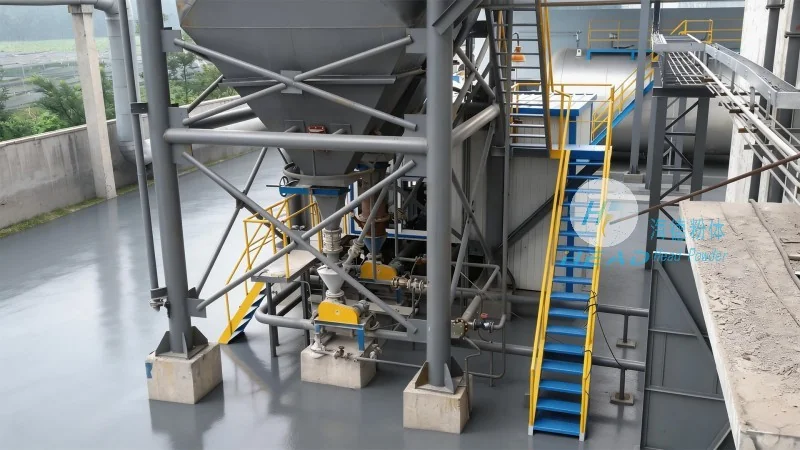
Applications and Industries Benefiting from Synthetic Fiber Pneumatic Conveying
Synthetic fiber pneumatic conveying systems are widely used across various industries due to their versatility and efficiency. In the pharmaceutical industry, for example, these systems are employed to transport sensitive powders and granules, ensuring contamination-free handling and maintaining product integrity. The food processing sector also benefits from the system's ability to handle food-grade materials without the risk of cross-contamination or microbial growth. Similarly, in the chemical industry, synthetic fiber pneumatic conveying is used to transport reactive or hazardous materials safely and efficiently, minimizing the risk of accidents and environmental damage.
In the mining and mineral processing industry, the system is utilized to transport bulk minerals and ores from processing plants to storage facilities or for further processing. The durability of synthetic fibers and the system's ability to handle abrasive materials make it a suitable choice for harsh industrial environments. Additionally, in the agricultural sector, synthetic fiber pneumatic conveying is used to transport grain, seeds, and other agricultural products, improving efficiency in storage and distribution operations.
Advantages Over Traditional Conveying Methods
Compared to traditional mechanical conveying methods such as belt conveyors or screw conveyors, synthetic fiber pneumatic conveying offers several distinct advantages. Mechanical systems often suffer from issues like material buildup, wear and tear on components, and the need for frequent maintenance. In contrast, the synthetic fiber system operates with minimal moving parts, reducing the risk of mechanical failure and the associated downtime. The system also eliminates the need for cleaning and maintenance of mechanical components, which can be time-consuming and costly.
Another advantage is the system's ability to handle materials in a closed environment, which is particularly important for materials that are sensitive to moisture, air, or contamination. Traditional mechanical systems may expose materials to the environment, leading to degradation or contamination. Synthetic fiber pneumatic conveying, by contrast, maintains a controlled environment, ensuring the quality and integrity of the transported materials.
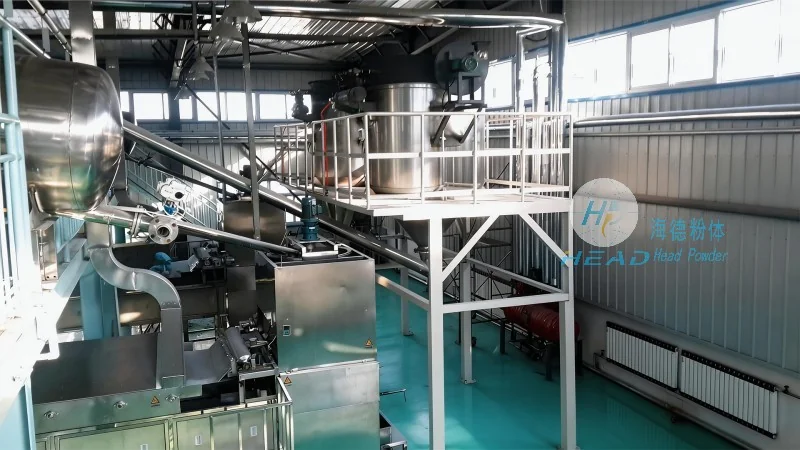
Customization and Scalability of Synthetic Fiber Pneumatic Conveying Systems
Shandong HeadPowder Engineering Co., Ltd. specializes in designing and manufacturing customized synthetic fiber pneumatic conveying systems tailored to the specific needs of each client. The company's expertise lies in understanding the unique material characteristics and operational requirements of different industries, allowing them to develop solutions that maximize efficiency and minimize costs. The systems can be scaled to accommodate varying material volumes and transport distances, from small-scale laboratory applications to large-scale industrial operations.
The company's approach to system design emphasizes flexibility and adaptability. They work closely with clients to assess their material handling challenges and provide solutions that integrate seamlessly with existing infrastructure. This includes considerations such as the type of material, the required throughput, the distance of transport, and the environmental regulations in the operating region. By customizing the system, Shandong HeadPowder Engineering Co., Ltd. ensures that clients receive a solution that is not only efficient but also compliant with all relevant standards and regulations.
Conclusion: The Future of Material Handling with Synthetic Fiber Pneumatic Conveying
Synthetic fiber pneumatic conveying systems represent a significant advancement in material handling technology, offering a combination of efficiency, environmental friendliness, and reliability. As industries continue to prioritize sustainability and operational efficiency, these systems are likely to become increasingly prevalent in various sectors. The technology's ability to handle a wide range of materials, its low maintenance requirements, and its environmental benefits make it an attractive choice for businesses looking to optimize their material transport processes.
Shandong HeadPowder Engineering Co., Ltd. plays a crucial role in advancing this technology, providing high-quality, customized solutions that meet the diverse needs of modern industries. With their expertise in synthetic fiber systems and commitment to innovation, the company is well-positioned to support the growing demand for efficient and environmentally friendly material handling solutions. As the industry evolves, synthetic fiber pneumatic conveying is poised to remain a key component of sustainable industrial operations worldwide.




