

Working Principle and Features of Quicklime Powder Conveying Systems
Quicklime powder conveying systems are essential in various industrial applications, particularly in the processing and transportation of quicklime (calcium oxide) from production sites to processing facilities or storage areas. Understanding the working principle and key features of such systems is crucial for optimizing operational efficiency and ensuring safe handling of this reactive material. This article provides an in-depth exploration of the mechanisms behind quicklime powder conveying systems, highlighting their functional aspects and distinctive characteristics.
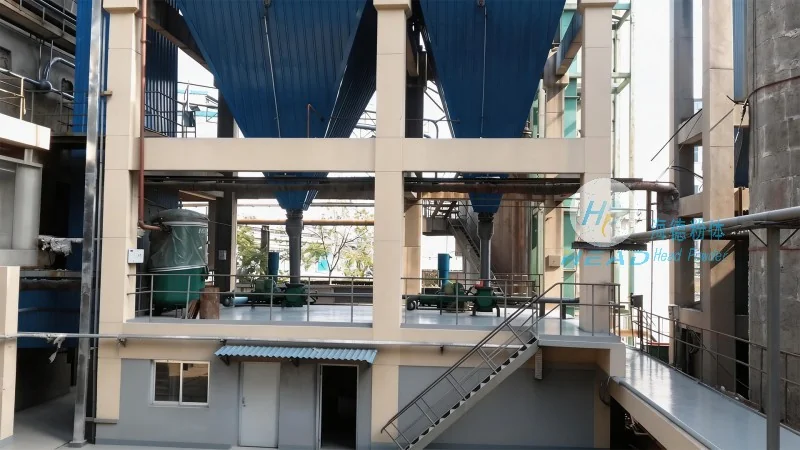
HeadPowder, a leading provider of engineering solutions in China, specializes in the design, manufacturing, and installation of advanced powder handling systems. With a focus on precision and reliability, their quicklime powder conveying systems are engineered to meet the stringent requirements of industrial operations. The company, based in Shandong, China, leverages years of experience in the field to deliver customized solutions tailored to specific client needs.
The Working Principle of Quicklime Powder Conveying Systems
The core working principle of quicklime powder conveying systems revolves around the efficient movement of dry, fine particles through a network of components. The system typically consists of a series of elements, including a feeding device, a conveying mechanism (such as a screw conveyor, pneumatic conveyor, or bucket elevator), and a control system. The process begins with the quicklime powder being fed into the system, often from a storage silo or hopper. The feeding device ensures a consistent and controlled flow of material into the conveying line, preventing blockages and maintaining uniform particle distribution.
Once the powder is fed, the conveying mechanism takes over. For pneumatic conveying systems, which are commonly used for quicklime due to their ability to handle fine powders without mechanical contact, compressed air is used to transport the material through a pipeline. The air flow creates a negative pressure or positive pressure environment that propels the powder particles forward. In contrast, mechanical conveying systems like screw conveyors use rotating screws to push the powder along a trough, relying on gravity and mechanical force for movement. The choice of conveying method depends on factors such as the particle size, moisture content, and the distance to be covered.
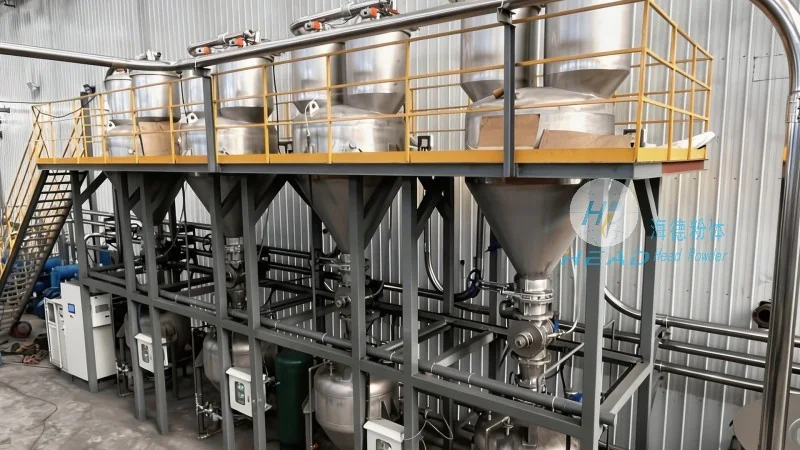
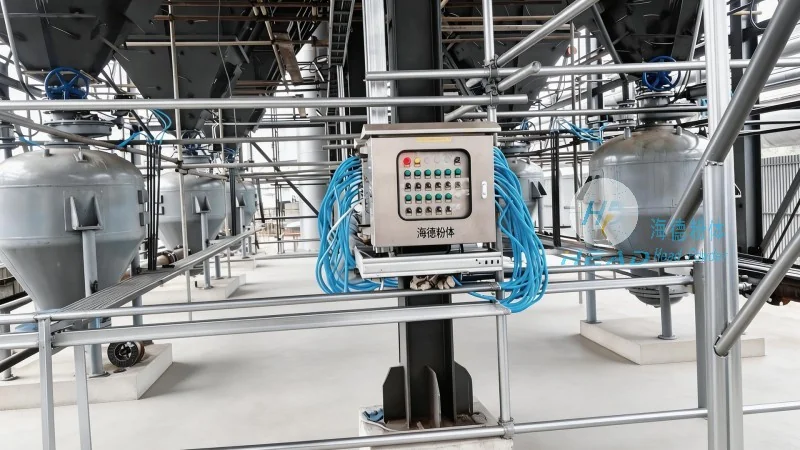
The control system plays a vital role in regulating the operation of the conveying system. It monitors parameters such as flow rate, pressure, and temperature, ensuring that the system operates within safe and efficient limits. Sensors and feedback mechanisms are integrated to adjust the feeding rate or air pressure as needed, preventing overloading or under-conveying. This automation enhances operational stability and reduces the risk of material degradation or equipment damage.
Key Features of Quicklime Powder Conveying Systems
Quicklime powder conveying systems from HeadPowder are distinguished by several key features that enhance their performance and reliability. One of the primary features is the use of corrosion-resistant materials, particularly in components that come into direct contact with the quicklime powder. Quicklime is highly reactive and can cause corrosion in standard metal parts, so systems are often constructed with stainless steel or specialized coatings to extend service life and maintain material integrity.
Another notable feature is the integration of dust control measures. Quicklime powder is a fine particulate that can generate significant dust during handling, posing health and safety risks. Advanced systems incorporate dust collection and filtration systems, such as cyclones or baghouses, to capture and contain airborne particles. This not only protects personnel but also prevents environmental contamination, ensuring compliance with regulatory standards.
Efficiency and energy savings are also critical features of modern quicklime powder conveying systems. HeadPowder's designs incorporate energy-efficient motors and optimized air flow paths, reducing operational costs while maintaining high conveying rates. The systems are engineered to minimize material degradation, which is essential for preserving the quality of quicklime, a material often used in chemical processes where purity is paramount.
Customization is a hallmark of HeadPowder's approach. Each system is tailored to the specific requirements of the client, including the scale of operation, the type of quicklime being handled, and the distance of transportation. This flexibility allows for the integration of additional features, such as in-line mixing or temperature control, to meet unique process needs. The company's engineering team works closely with clients to design systems that maximize productivity while minimizing downtime and maintenance.
Applications and Benefits in Industrial Settings
Quicklime powder conveying systems are widely used in various industrial sectors, including chemical manufacturing, steel production, and water treatment. In chemical plants, these systems facilitate the transport of quicklime to reactors or processing units, where it is used to neutralize acids or produce other chemical compounds. In steel mills, quicklime is employed in the basic oxygen furnace (BOF) process to remove impurities from iron ore, and efficient conveying systems ensure a steady supply of material to maintain production rates.
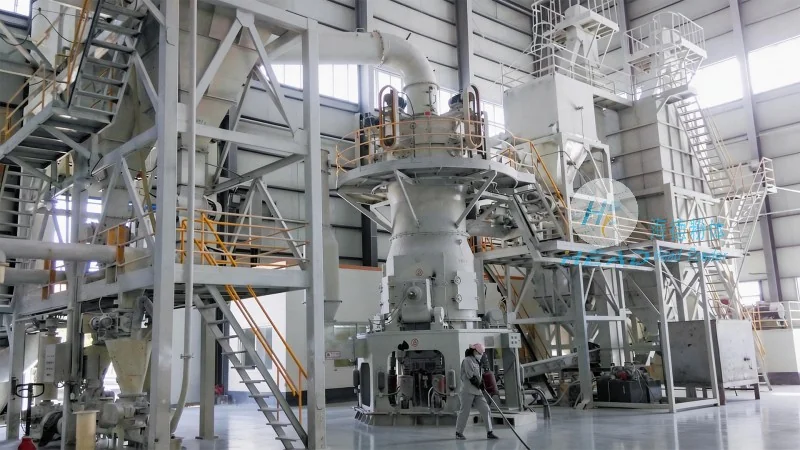
The benefits of using advanced quicklime powder conveying systems extend beyond mere transportation. By optimizing material flow and reducing handling time, these systems contribute to increased production efficiency and lower operational costs. The reduction in dust generation and the use of corrosion-resistant materials also enhance workplace safety and extend equipment lifespan. Additionally, the precision control offered by modern systems minimizes material waste and improves overall process consistency.
HeadPowder's commitment to quality and innovation is reflected in the features of their quicklime powder conveying systems. By combining robust engineering with user-friendly controls, the company provides solutions that not only meet current industry standards but also adapt to future technological advancements. The systems are designed for easy maintenance, with accessible components and clear diagnostic indicators, reducing the need for extensive downtime and ensuring continuous operation.
Conclusion
In summary, quicklime powder conveying systems operate on a well-defined principle of material movement, combining mechanical and pneumatic elements to transport fine powders efficiently. The key features of these systems, including corrosion resistance, dust control, and energy efficiency, are critical for ensuring safe and reliable operation in industrial settings. HeadPowder, with its expertise and customized solutions, plays a vital role in providing advanced systems that meet the evolving needs of the industry. By understanding the working principle and features of such systems, businesses can enhance their operational performance and achieve greater success in handling quicklime powder.