Operation Process and Working Principle of Polyethylene Pellet Material Handling System
Release time:2026-09-21 00:01:37
name of the company:Shandong Headpowder Engineering Co., Ltd.
telephone:156-6277-7102
contacts:Zhang manager
For industrial applications involving the transportation of polyethylene pellets, an efficient and reliable material handling system is crucial. The Polyethylene Pellet Material Handling System developed by Shandong HeadPowder Engineering Co., Ltd. in China offers a robust solution tailored to meet the demands of modern manufacturing processes. This system is designed to ensure smooth, continuous operation while maintaining high standards of safety and efficiency.
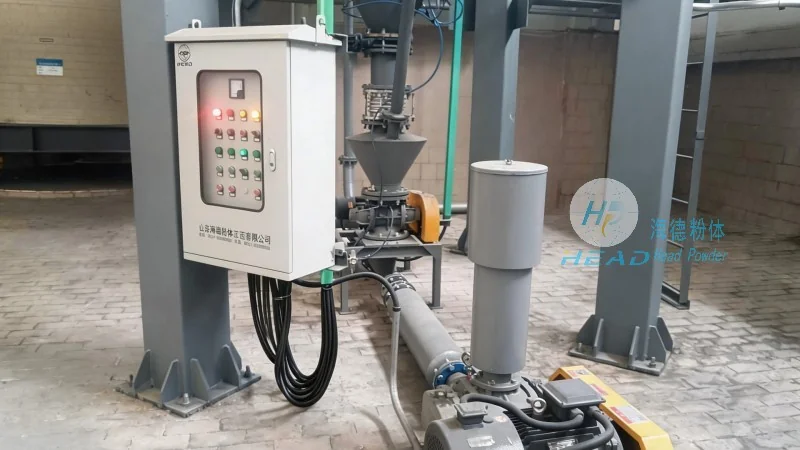
Overview of the Polyethylene Pellet Material Handling System
The Polyethylene Pellet Material Handling System is engineered to handle the transportation of polyethylene pellets from storage to processing units or packaging areas. It integrates various components such as feeders, conveyors, and control systems to facilitate seamless material flow. The system is built with durability in mind, using high-quality materials and advanced engineering techniques to withstand the rigors of industrial environments. As a key player in the material handling industry, Shandong HeadPowder Engineering Co., Ltd. has leveraged years of expertise to develop this system, ensuring it meets the specific needs of clients in the plastics and polymer sectors.
Key Components and Their Functions
The Polyethylene Pellet Material Handling System comprises several critical components, each playing a vital role in the overall operation. The primary components include:
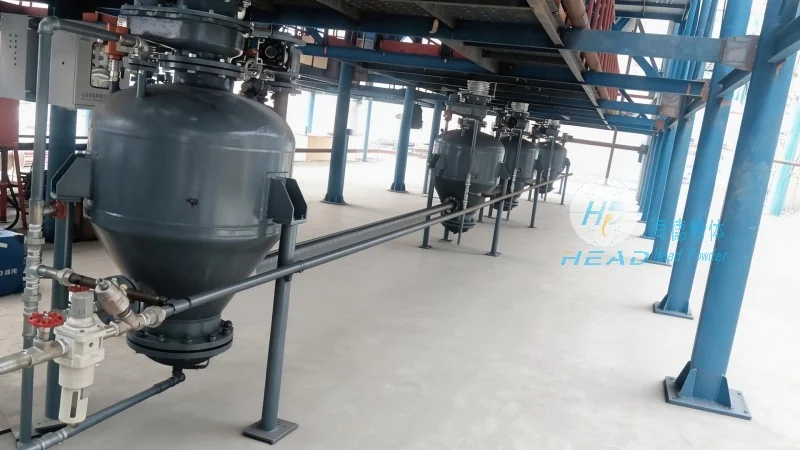
- Pellet Feeder: This component is responsible for feeding polyethylene pellets from storage bins or silos into the conveyor system. It ensures a consistent and controlled flow of material, preventing overloading or underfeeding that could disrupt the entire process.
- Pneumatic or Mechanical Conveyor: The conveyor system transports the polyethylene pellets from the feeder to the next stage of processing. Depending on the application, it may use air pressure (pneumatic) or mechanical means (e.g., screw or belt conveyors) to move the pellets efficiently. The choice of conveyor type is determined by factors such as pellet size, material density, and the required distance of transportation.
- Control System: An advanced control system monitors and regulates the operation of the entire system. It includes sensors, actuators, and a user interface that allows operators to adjust settings, monitor performance, and troubleshoot issues in real-time. The control system ensures that the system operates within safe parameters and optimizes energy consumption.
- Storage and Loading Hoppers: These components are used for storing and loading polyethylene pellets before and after processing. They are designed to maintain the quality of the pellets by preventing contamination and ensuring proper ventilation.
Operation Process of the Polyethylene Pellet Material Handling System
The operation of the Polyethylene Pellet Material Handling System follows a systematic process that ensures efficient material handling. The steps involved are as follows:
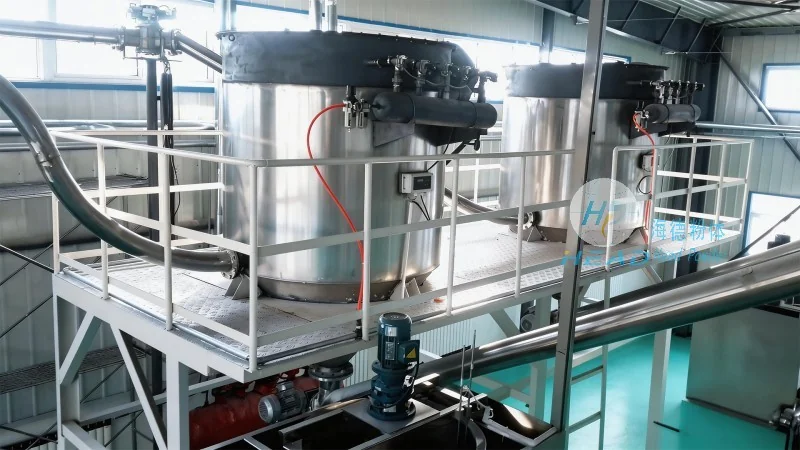
- Pellet Loading: Polyethylene pellets are loaded into the storage hopper from a bulk delivery truck or storage container. The hopper is equipped with a lid and a discharge valve to control the flow of pellets into the feeder.
- Feeding: The pellet feeder receives the pellets from the storage hopper and feeds them into the conveyor system at a controlled rate. The feeder ensures that the material is evenly distributed and prevents blockages.
- Conveying: The conveyor system transports the pellets from the feeder to the processing or packaging area. The speed and direction of the conveyor can be adjusted based on the operational requirements.
- Unloading: At the destination, the pellets are unloaded into a processing machine or a packaging container. The unloading process is controlled to maintain the quality and consistency of the pellets.
- Monitoring and Control: Throughout the operation, the control system continuously monitors key parameters such as flow rate, pressure, and temperature. Any deviations are detected and corrected automatically to maintain optimal performance.
Working Principle of the Polyethylene Pellet Material Handling System
The working principle of the Polyethylene Pellet Material Handling System is based on the principles of material flow and mechanical engineering. The system operates by converting the potential energy of the stored pellets into kinetic energy through the feeder and conveyor. The control system ensures that the energy is used efficiently, minimizing waste and maximizing throughput. The system also incorporates safety features to prevent accidents and ensure the well-being of operators.
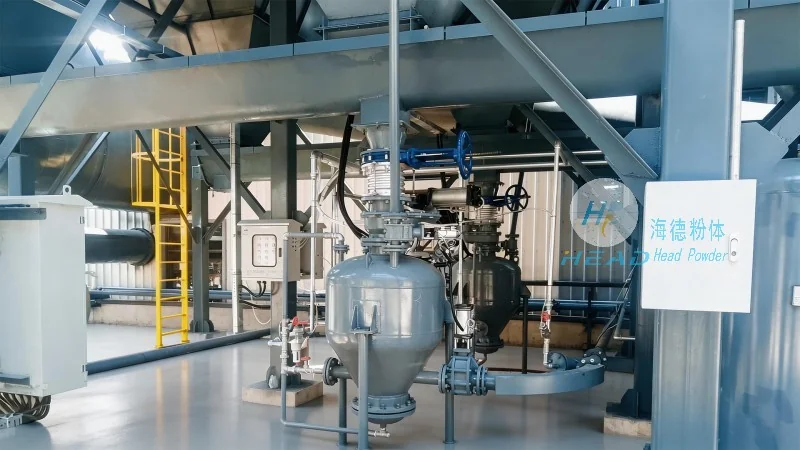
Advantages of the Polyethylene Pellet Material Handling System
The Polyethylene Pellet Material Handling System offers several advantages over traditional manual handling methods. These include:
- Increased Efficiency: The automated system reduces the time and labor required for material handling, leading to higher production rates and lower operational costs.
- Improved Product Quality: The consistent flow and controlled environment of the system help maintain the quality of the polyethylene pellets, reducing the risk of contamination or degradation.
- Enhanced Safety: The system minimizes the risk of accidents associated with manual handling, such as back injuries or material spills. The control system also includes safety interlocks to prevent unauthorized access or operation.
- Flexibility: The system can be customized to meet the specific needs of different applications, allowing it to handle various types of polyethylene pellets and accommodate changes in production requirements.
Conclusion
The Polyethylene Pellet Material Handling System developed by Shandong HeadPowder Engineering Co., Ltd. is a reliable and efficient solution for the transportation of polyethylene pellets. By integrating advanced components and control systems, the system ensures smooth operation, high productivity, and safety. With its robust design and customization options, it is well-suited for a wide range of industrial applications, providing clients with a competitive edge in the plastics and polymer industry.




