

Operation Process and Working Principle of Graphite Powder Material Handling System
Graphite powder material handling systems are critical components in industrial processes where the efficient and safe transportation of graphite powder is essential. These systems are designed to handle the unique properties of graphite, such as its fine particle size, low density, and potential for dust generation, ensuring reliable operation in various applications like metallurgy, battery manufacturing, and refractory production.
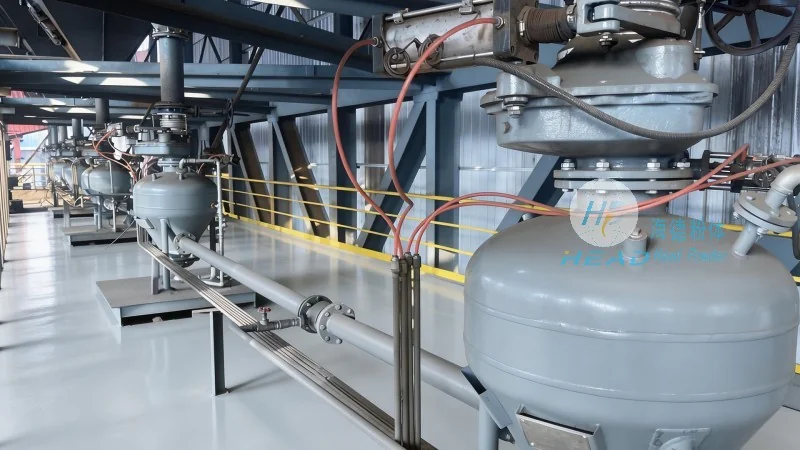
Overview of the Material Handling System
The graphite powder material handling system typically consists of several key components, including feeders, conveyors, storage silos, and control systems. Each component plays a vital role in the overall process, working in tandem to ensure smooth material flow from the source to the destination. The system is engineered to meet the specific requirements of graphite powder, which often involves handling dry, fine powders that can be challenging to transport due to their tendency to aggregate or create dust.
System Components and Their Functions
1. Feeder: The feeder is the initial component that receives graphite powder from the storage silo or raw material container. It ensures a consistent and controlled flow of material into the conveyor system, preventing overloading or underflow that could disrupt the entire process. Common types of feeders used include rotary feeders, vibratory feeders, and screw feeders, each chosen based on the specific characteristics of the graphite powder and the required flow rate.
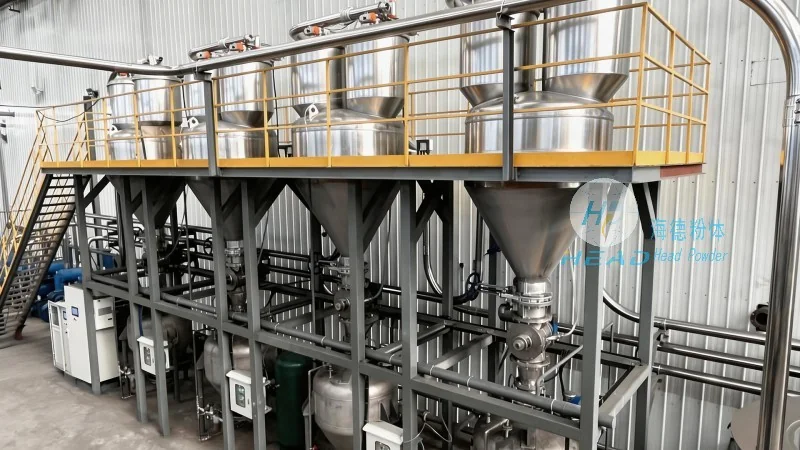
2. Conveyor: The conveyor is the core of the material handling system, responsible for transporting the graphite powder from the feeder to the processing or storage area. Conveyors can be classified into different types, such as belt conveyors, screw conveyors, and pneumatic conveyors, depending on the application and the properties of the material. For graphite powder, belt conveyors are often preferred due to their ability to handle fine powders without causing excessive dust or particle breakage. The conveyor system is designed with smooth surfaces and appropriate incline angles to minimize material degradation and ensure efficient transport.
3. Storage Silo: The storage silo serves as a buffer between the production and processing stages, providing a controlled environment for storing graphite powder. It is typically made of stainless steel or other corrosion-resistant materials to prevent contamination and maintain the quality of the powder. The silo is equipped with a discharge valve or feeder at the bottom to regulate the flow of material to the conveyor system, ensuring a steady supply of graphite powder as needed.
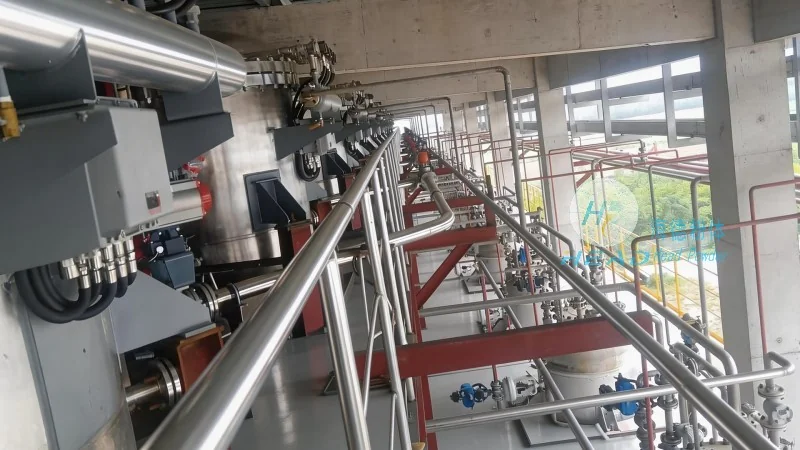
4. Control System: The control system is responsible for monitoring and regulating the operation of the entire material handling system. It includes sensors, controllers, and software that track parameters such as flow rate, pressure, and temperature. The control system ensures that the feeder, conveyor, and silo operate in sync, preventing overloading, underflow, or other issues that could lead to system downtime. It also provides real-time data and alerts to operators, enabling them to make adjustments as needed to maintain optimal performance.
Operation Process of the System
The operation of the graphite powder material handling system follows a sequential process that begins with the loading of graphite powder into the storage silo. The control system activates the feeder, which draws material from the silo and feeds it into the conveyor. The conveyor then transports the graphite powder to the processing area or another storage location. Throughout the process, the control system continuously monitors the flow rate and other parameters, adjusting the feeder speed or conveyor speed as necessary to maintain a consistent flow. The system is designed to operate continuously or in batch mode, depending on the production requirements. When the silo is empty or the conveyor is overloaded, the control system automatically shuts down the feeder and conveyor to prevent damage or material loss.
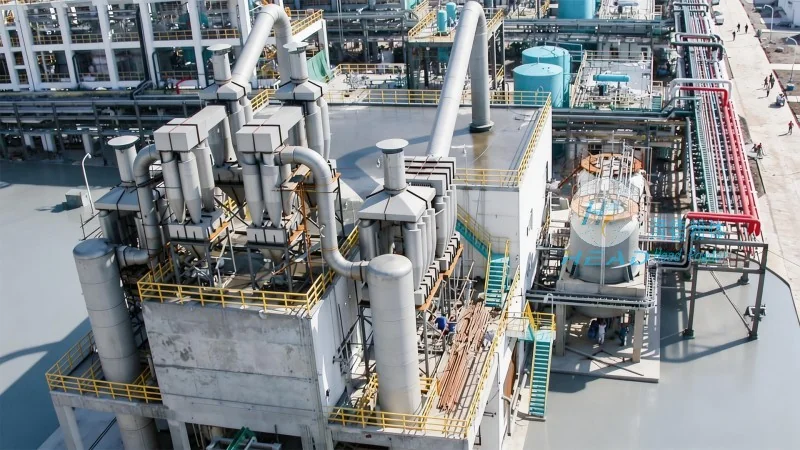
Working Principle of the System
The working principle of the graphite powder material handling system is based on the principles of material flow and mechanical transport. The system uses a combination of gravity, mechanical force, and sometimes pneumatic pressure to move the graphite powder from one point to another. The feeder provides a controlled flow of material, which is then conveyed by the conveyor system. The storage silo acts as a buffer, ensuring a steady supply of material even when the processing equipment is not operating at full capacity. The control system plays a crucial role in maintaining the balance between the input and output rates, preventing bottlenecks or surges in the material flow. By integrating these components, the system ensures efficient and reliable transportation of graphite powder, minimizing downtime and maximizing productivity.
About Shandong HeadPowder Engineering Co., Ltd.
Shandong HeadPowder Engineering Co., Ltd., operating under the brand name headpowder, is a leading manufacturer and supplier of material handling systems for graphite powder and other fine powders. With a focus on innovation and quality, the company has developed advanced solutions that address the unique challenges of handling graphite powder, such as dust control, material degradation, and efficient transport. The company's products are designed to meet the specific needs of various industries, including metallurgy, battery manufacturing, and refractory production, providing reliable and cost-effective solutions for material handling. Headpowder's commitment to customer satisfaction and technical excellence has made it a trusted partner for businesses seeking to optimize their material handling processes. The company's headquarters is located in Shandong, China, where it continues to develop and improve its products to meet the evolving needs of the industry.