

Operation Process and Working Principle of Sintered Ash Material Conveying System
For industrial facilities dealing with sintered ash materials, an efficient and reliable conveying system is crucial for maintaining smooth production operations and ensuring material handling safety. The operation process and working principle of such a system are designed to optimize material transport while minimizing downtime and operational risks.
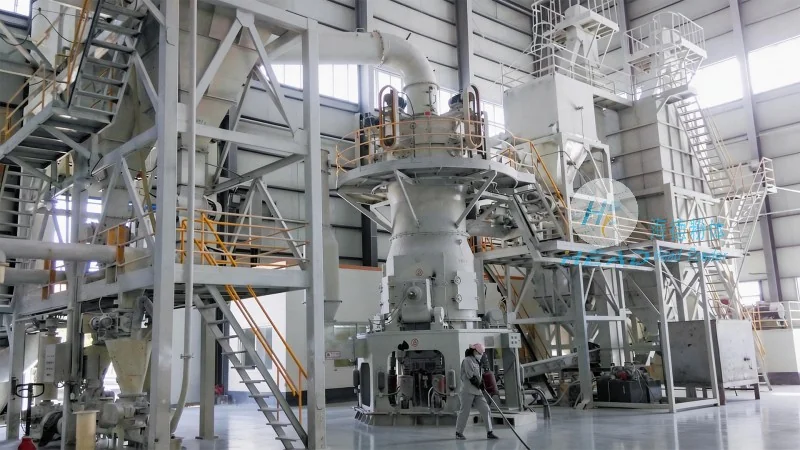
About HeadPowder: A Leading Engineering Solution Provider
HeadPowder, formally known as Shandong HeadPowder Engineering Co., Ltd., is a professional engineering company based in Shandong, China. With years of experience in the field of material handling and processing, HeadPowder specializes in designing, manufacturing, and installing advanced conveying systems tailored to meet the specific needs of various industrial applications. The company's commitment to quality, innovation, and customer satisfaction has established it as a trusted partner in the industry.
The Operation Process of the Sintered Ash Material Conveying System
The operation of the sintered ash material conveying system typically involves several key stages, each designed to ensure the efficient and safe transport of materials from the source to the destination. The process begins with the collection of sintered ash from the sintering plant, where the material is often in a bulk or granular form. This initial step is critical as it sets the foundation for the entire conveying operation.
Once collected, the sintered ash is fed into the primary feeding mechanism of the conveying system. This mechanism may include a hopper or a feeding hopper that regulates the flow of material into the conveyor. The feeding system ensures a consistent and controlled supply of material, preventing overloading or underloading of the conveyor, which could lead to operational inefficiencies or equipment damage.
After the material is properly fed into the conveyor, it moves along the conveyor path. The conveyor itself is typically a belt conveyor, screw conveyor, or pneumatic conveyor, depending on the specific characteristics of the sintered ash and the requirements of the application. The conveyor is equipped with appropriate components such as idlers, pulleys, or screw flights to support and move the material smoothly. The speed of the conveyor is carefully controlled to match the production rate and ensure that the material is transported at an optimal rate without causing excessive wear or energy consumption.
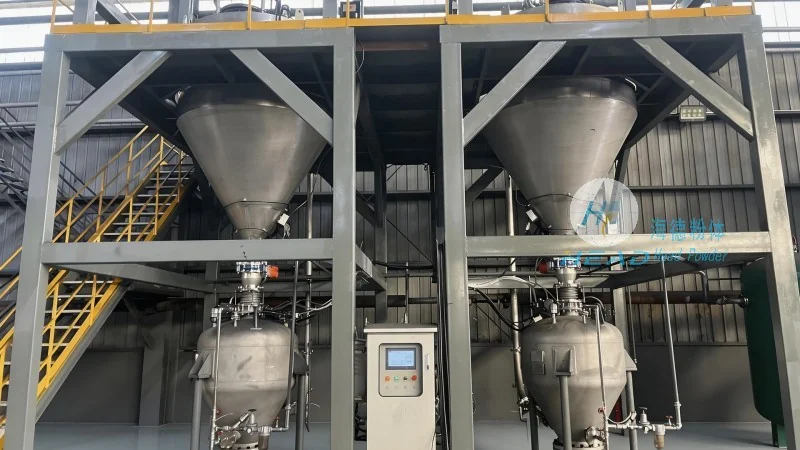
During the conveying process, the system may include intermediate storage or transfer points. These points allow for the temporary storage of material or the transfer of material to other processing equipment. For example, a transfer point might be used to direct the material into a storage silo or a processing unit for further treatment. The system is designed to handle these transfers seamlessly, minimizing the risk of material spillage or blockages.
The final stage of the operation involves the discharge of the sintered ash from the conveyor. The discharge point is typically located at the end of the conveyor path and is designed to deliver the material to its final destination, such as a storage facility or a processing plant. The discharge mechanism may include a chute, a hopper, or a conveyor discharge system that ensures the material is released in a controlled manner, preventing dust generation and ensuring safe handling.
Throughout the entire operation process, the system is equipped with monitoring and control devices. These devices include sensors, level indicators, and control panels that allow operators to monitor the system's performance in real-time. The control system can adjust the conveyor speed, feeding rate, and other parameters to maintain optimal operation and respond to changes in production demand. This automation ensures that the system operates efficiently and reliably, reducing the need for manual intervention and minimizing the risk of human error.
The Working Principle of the Sintered Ash Material Conveying System
The working principle of the sintered ash material conveying system is based on the principles of mechanical transport and material flow. The system utilizes various components and mechanisms to move the sintered ash from one location to another, while maintaining the integrity and quality of the material. The key components of the system include the feeding mechanism, the conveyor, the transfer and storage components, and the control system.
The feeding mechanism is responsible for introducing the sintered ash into the conveyor. This mechanism may use gravity, mechanical force, or pneumatic pressure to move the material from the source to the conveyor. For example, a hopper may be used to store the sintered ash and allow it to flow by gravity into the conveyor. Alternatively, a screw feeder or a belt feeder may be used to mechanically feed the material into the conveyor at a controlled rate.
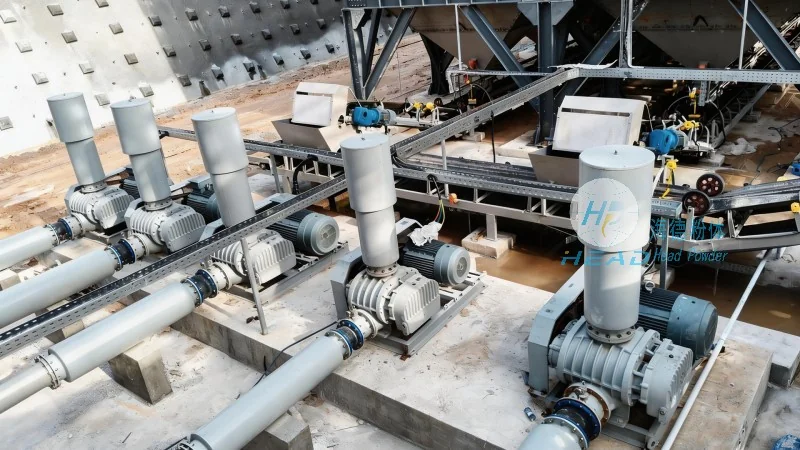
The conveyor is the core component of the system, responsible for transporting the material along the designated path. The type of conveyor used depends on the characteristics of the sintered ash, such as its size, moisture content, and abrasiveness. Belt conveyors are commonly used for bulk materials like sintered ash due to their high capacity and ability to handle a wide range of material types. The belt is typically made of durable materials such as rubber or plastic, which can withstand the abrasive nature of the sintered ash and resist wear and tear.
The conveyor system includes idlers and pulleys that support the belt and guide its movement. The idlers are placed at regular intervals along the conveyor path to support the belt and prevent it from sagging. The pulleys are used to change the direction of the belt or to provide tension to the belt, ensuring that it remains in contact with the idlers and the material. The tension in the belt is carefully controlled to prevent slippage and ensure smooth operation.
Transfer and storage components are used to handle the material at intermediate points or to store it temporarily. These components may include transfer chutes, hoppers, or storage silos. The transfer chutes are used to direct the material from one conveyor to another or to a storage facility. The hoppers are used to store the material temporarily before it is fed into the next stage of the process. The storage silos are used to store the material for longer periods, allowing for a steady supply of material to the processing plant.
The control system is responsible for monitoring and controlling the operation of the entire conveying system. This system includes sensors that detect the level of material in the hoppers, the speed of the conveyor, and the tension in the belt. The control panel allows operators to adjust the settings of the system and respond to any issues that may arise. The system may also include alarms and safety features to alert operators to any problems and ensure the safety of the operation.
Key Advantages of the Sintered Ash Material Conveying System
The sintered ash material conveying system designed by HeadPowder offers several key advantages that make it an ideal solution for industrial applications. The system is designed to be highly efficient, with a high capacity and low energy consumption. The conveyor system is capable of transporting large volumes of sintered ash at a consistent rate, ensuring that the production process is not interrupted by material handling delays.
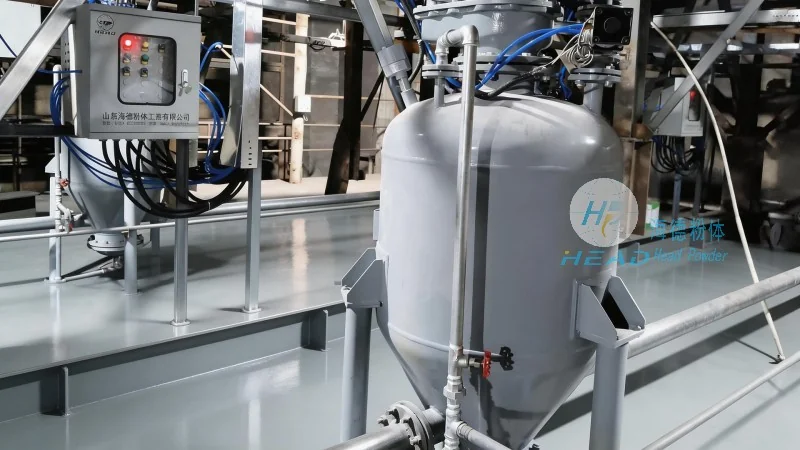
The system is also designed to be reliable and durable, with components that are built to withstand the harsh conditions of industrial environments. The materials used in the construction of the system, such as the belt and idlers, are made of high-quality materials that can resist wear and tear and maintain their performance over time. This ensures that the system operates reliably for extended periods without the need for frequent maintenance or repairs.
Another advantage of the system is its flexibility. The system can be customized to meet the specific needs of different industrial applications, with options for different conveyor types, feeding mechanisms, and control systems. This allows the system to be adapted to various production requirements and to handle different types of sintered ash materials.
The system also offers improved safety features, such as dust suppression and material containment. The conveyor system is designed to minimize dust generation during the conveying process, which helps to maintain a safe working environment and comply with environmental regulations. The system also includes features to prevent material spillage and blockages, reducing the risk of accidents and equipment damage.
Conclusion
The operation process and working principle of the sintered ash material conveying system are critical components of any industrial facility that handles sintered ash materials. The system, designed and manufactured by Shandong HeadPowder Engineering Co., Ltd., offers a reliable, efficient, and safe solution for material handling. By understanding the operation process and working principle of the system, industrial facilities can ensure that their material transport operations are optimized, reducing downtime and improving overall productivity. HeadPowder's expertise in engineering and manufacturing ensures that the system is tailored to meet the specific needs of each client, providing a customized solution that enhances the efficiency and safety of material handling operations.