Methylcellulose, a versatile non-ionic cellulose ether, is widely used in various industries for its excellent film-forming, thickening, and stabilizing properties. When it comes to handling methylcellulose powders and particulate materials, efficient and reliable transportation is crucial. Pneumatic conveying, a technology that uses air or gas to move bulk materials, offers a solution that minimizes dust, reduces contamination risks, and enhances process safety. This article explores the principles, benefits, and practical applications of methylcellulose pneumatic conveying, providing insights into how to optimize air flow for effective material transport.
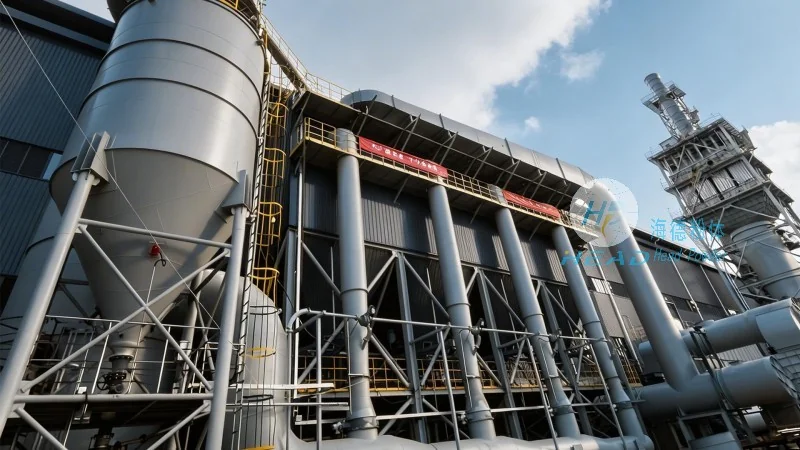
Understanding Pneumatic Conveying Technology
Pneumatic conveying systems operate by creating a pressure differential between the material handling line and the ambient environment. There are two primary types: pressure and vacuum systems. Pressure systems use compressed air to push material through the pipeline, while vacuum systems use a vacuum to draw material into the system. For methylcellulose, which is often sensitive to moisture and contamination, a well-designed pneumatic conveying system is essential to maintain product quality and integrity. The choice between pressure and vacuum depends on factors such as material characteristics, distance to be conveyed, and system layout. A typical pneumatic conveying system includes components like a hopper, feeder, pipeline, and receiver, all working in tandem to ensure smooth material flow.
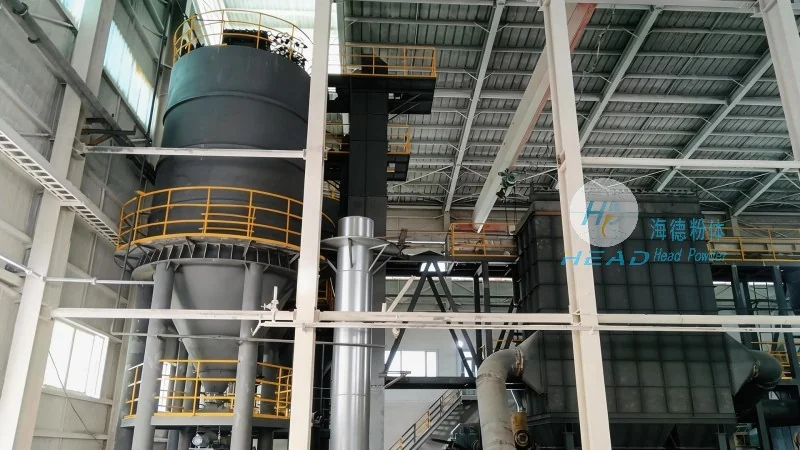
Key Components of Methylcellulose Pneumatic Conveying Systems
Several critical components are integral to the performance of a methylcellulose pneumatic conveying system. The hopper serves as the storage and feeding unit, ensuring a consistent supply of material to the feeder. The feeder, often a rotary valve or a star feeder, controls the flow rate and prevents material from backflowing. The pipeline, typically made of stainless steel or other corrosion-resistant materials, must be smooth and free of obstructions to minimize pressure drop and ensure efficient air flow. The receiver, where the material is deposited, should be designed to prevent dust accumulation and facilitate easy cleaning. Additionally, filters and cyclones are used to separate the material from the air stream, ensuring that the air is clean and the material remains uncontaminated. Proper maintenance of these components is crucial to maintain the efficiency and longevity of the system.
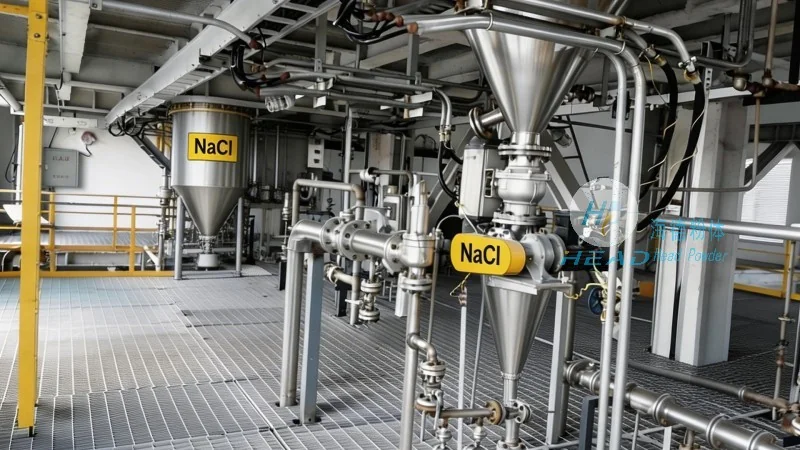
Optimizing Air Flow for Efficient Methylcellulose Transport
The success of a pneumatic conveying system for methylcellulose depends heavily on optimizing air flow parameters. Key factors include air velocity, pressure drop, and material velocity. Air velocity must be high enough to entrain the material particles but low enough to prevent excessive wear on the pipeline and components. The pressure drop across the system should be minimized to reduce energy consumption and ensure consistent material flow. Material velocity, the speed at which the material travels through the pipeline, is critical for preventing segregation and ensuring uniform mixing. By carefully adjusting these parameters, system designers can achieve optimal performance, reducing operational costs and improving overall process efficiency. For example, using a higher air velocity may increase material transport speed but could also lead to higher energy consumption and increased wear on components. Therefore, a balanced approach is necessary to achieve the best results.
Benefits of Methylcellulose Pneumatic Conveying
Implementing a pneumatic conveying system for methylcellulose offers numerous benefits. First, it significantly reduces dust generation compared to traditional bulk handling methods, improving workplace safety and environmental compliance. Second, the enclosed system minimizes product contamination from external sources, ensuring that the methylcellulose remains pure and meets quality standards. Third, pneumatic conveying systems are highly flexible, allowing for easy integration into existing production lines and adaptation to changing production needs. Fourth, they can handle a wide range of particle sizes and shapes, making them suitable for various applications in the pharmaceutical, food, and chemical industries. Finally, the system's ability to transport materials over long distances without the need for intermediate storage or handling reduces overall process time and improves productivity. These benefits make pneumatic conveying an attractive option for companies dealing with methylcellulose and other sensitive powders.
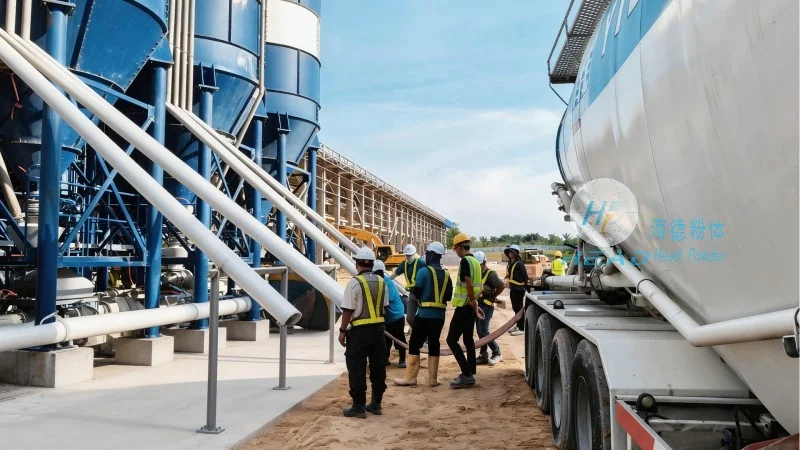
Case Study: HeadPowder's Methylcellulose Pneumatic Conveying Solution
Shandong HeadPowder Engineering Co., Ltd., a leading provider of bulk material handling solutions, specializes in designing and manufacturing pneumatic conveying systems tailored to the needs of the methylcellulose industry. With years of experience in the field, HeadPowder has developed advanced systems that address the unique challenges of handling methylcellulose powders. For instance, their systems are equipped with specialized feeders that prevent agglomeration and ensure consistent material flow, even for fine powders. The company's expertise in material science and fluid dynamics allows them to optimize air flow parameters for maximum efficiency, reducing energy consumption by up to 20% compared to traditional systems. HeadPowder's commitment to quality and innovation has made them a trusted partner for many companies in the pharmaceutical and food sectors, helping them improve their production processes and maintain product quality. The company's headquarters is located in Shandong, China, where they have a state-of-the-art facility for research, development, and manufacturing.




