

Operation Process and Working Principle of Vacuum Suction Type Material Handling Equipment
For industrial applications requiring efficient and reliable material transport, vacuum suction type material handling equipment offers a sophisticated solution. This equipment is designed to handle various bulk materials, such as powders, granules, and small particles, with precision and minimal contamination. The technology behind this system leverages vacuum pressure to draw materials from a source and transport them to a destination, making it ideal for applications in pharmaceuticals, food processing, and chemical industries where product integrity is paramount. Manufactured by Shandong HeadPowder Engineering Co., Ltd., these systems are engineered for durability and performance.
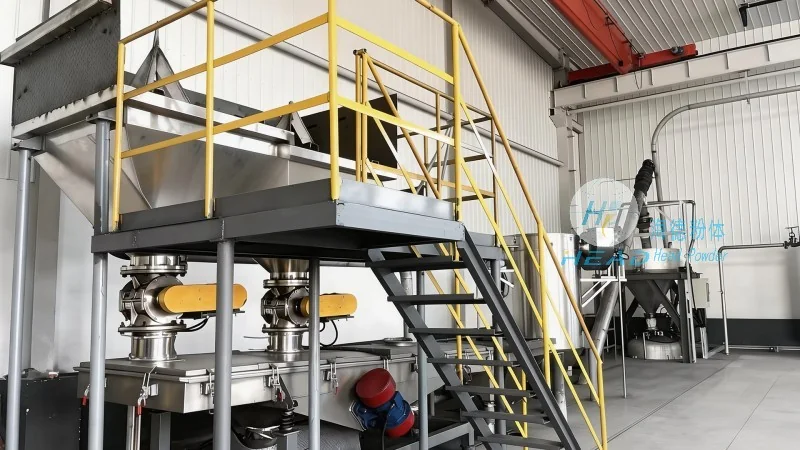
Overview of Vacuum Suction Material Handling Systems
Vacuum suction material handling systems are engineered to move bulk materials through a pipeline network using negative pressure. Unlike traditional positive pressure systems, these devices create a vacuum to pull materials into the system, reducing the risk of dust emissions and ensuring a clean transfer process. The system typically consists of a vacuum pump, a material feed hopper, a transport pipeline, and a discharge outlet. Each component works in tandem to ensure seamless material flow from the source to the processing or storage area.
Key Components and Their Functions
The core components of a vacuum suction material handling system include: (1) Vacuum Pump: This is the heart of the system, generating the necessary negative pressure to draw materials into the pipeline. The pump's capacity and efficiency directly impact the system's throughput and suction distance. (2) Material Feed Hopper: The hopper is where bulk materials are loaded. It is designed to feed the material into the suction port smoothly, preventing blockages and ensuring consistent flow. (3) Transport Pipeline: The pipeline connects the feed hopper to the discharge point. It is usually made of materials like stainless steel or plastic to withstand the vacuum pressure and prevent material degradation or contamination. (4) Discharge Outlet: This component is where the material is released at the destination. It can be adjusted to control the flow rate and ensure the material is deposited accurately.
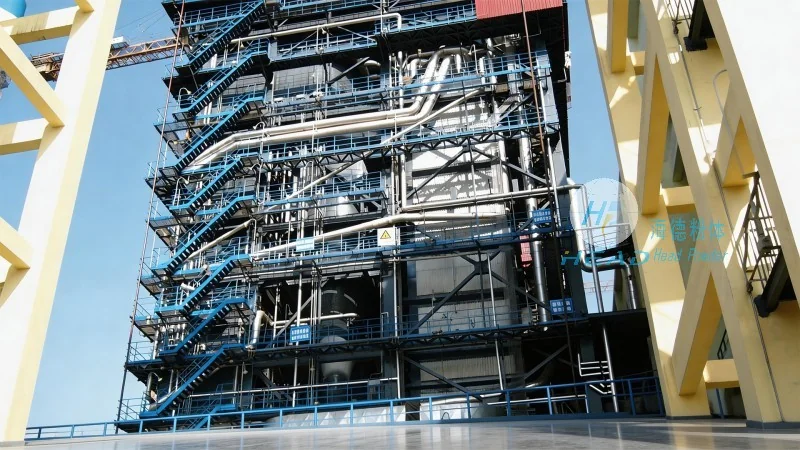
Operation Process of Vacuum Suction Material Handling
The operation process of a vacuum suction material handling system involves several sequential steps: (1) Material Loading: Bulk materials are loaded into the feed hopper from a storage bin or silo. The hopper ensures a steady supply of material to the suction port. (2) Vacuum Activation: The vacuum pump is activated, creating a negative pressure within the pipeline. This pressure difference between the material source and the pipeline draws the material into the system. (3) Material Transport: As the vacuum pulls the material, it travels through the pipeline to the discharge outlet. The speed and distance of transport depend on the system's vacuum level and pipeline design. (4) Material Discharge: At the discharge point, the material is released into a container or processing equipment. The system can be adjusted to control the discharge rate, ensuring precise material handling. (5) System Shutdown: After the material transfer is complete, the vacuum pump is turned off, and the system is cleaned or prepared for the next batch.
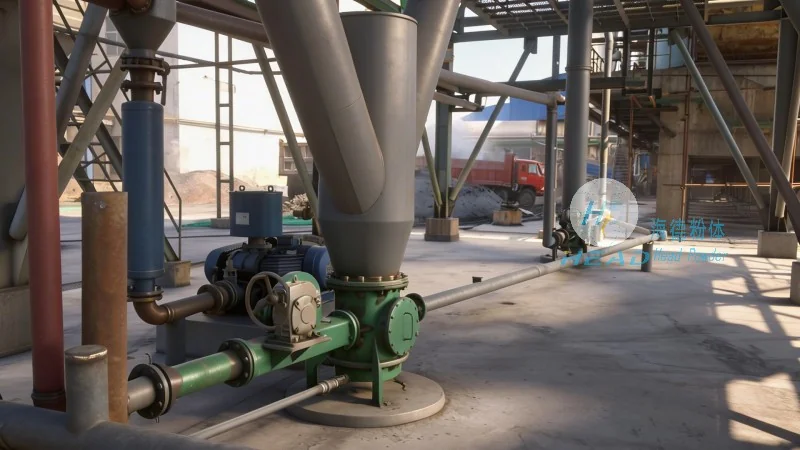
Working Principle Explained
The working principle of vacuum suction material handling is based on the fundamental physics of pressure differentials. When the vacuum pump creates a low-pressure environment in the pipeline, the atmospheric pressure outside the pipeline is higher. This pressure difference causes the bulk material to be drawn into the pipeline as long as the material is in contact with the suction port. The material is then carried along by the airflow created by the vacuum pump, moving through the pipeline to the discharge point. The system's efficiency is determined by the ability to maintain a consistent vacuum level and ensure that the material remains in contact with the suction surface. Advanced systems may include features like variable speed pumps or adjustable suction ports to optimize material flow and reduce energy consumption.
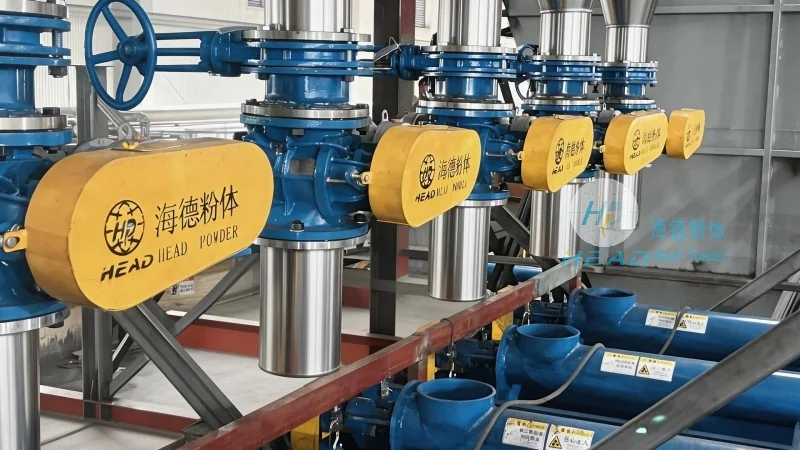
Applications and Benefits
Vacuum suction material handling equipment is widely used in industries where material transport needs to be clean, dust-free, and efficient. Some common applications include: (1) Pharmaceutical Industry: For transporting active pharmaceutical ingredients (APIs) and other powders, ensuring compliance with GMP (Good Manufacturing Practice) standards. (2) Food Processing: For handling food-grade powders and granules, maintaining hygiene and preventing contamination. (3) Chemical Industry: For transporting chemical powders and reagents, reducing the risk of dust explosions and ensuring safe handling. (4) Mining and Minerals: For transporting bulk minerals and ores from processing plants to storage or further processing facilities. The benefits of using vacuum suction systems include reduced labor costs, improved safety (by minimizing dust exposure), increased efficiency (through continuous material flow), and lower maintenance requirements compared to traditional systems.
Installation and Maintenance Considerations
Proper installation and regular maintenance are crucial for the optimal performance of vacuum suction material handling systems. During installation, it is important to ensure that the pipeline is properly sealed to prevent air leaks, which can reduce the system's suction capacity. The feed hopper should be positioned at an appropriate height to ensure gravity-assisted material flow, reducing the load on the vacuum pump. Regular maintenance includes checking the vacuum pump for wear and tear, cleaning the pipeline and hopper to prevent material buildup, and inspecting the discharge outlet for blockages. By following proper maintenance procedures, the system's lifespan can be extended, and operational efficiency can be maintained.