

Working Principle and Characteristics of Nanoparticle Calcium Carbonate Powder Handling
Understanding the efficient handling of nanoparticle calcium carbonate powder is crucial for industries relying on this material. This article explores the working principle and key characteristics of nanoparticle calcium carbonate powder transportation, providing insights into how such systems operate and their advantages in material processing.
Working Principle of Nanoparticle Calcium Carbonate Powder Handling
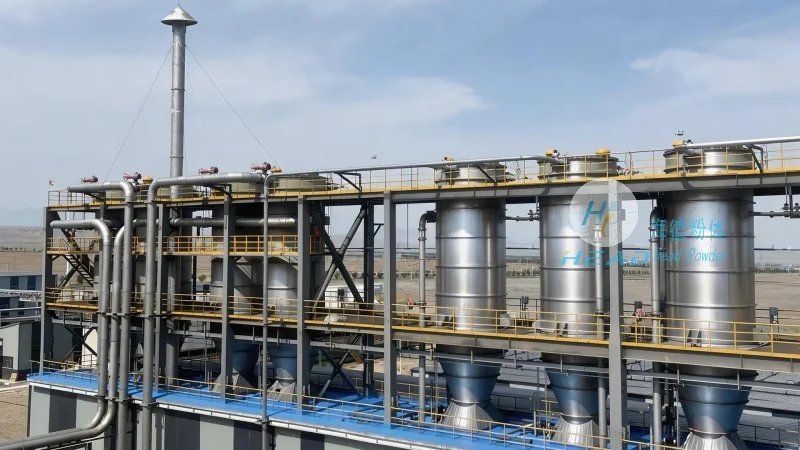
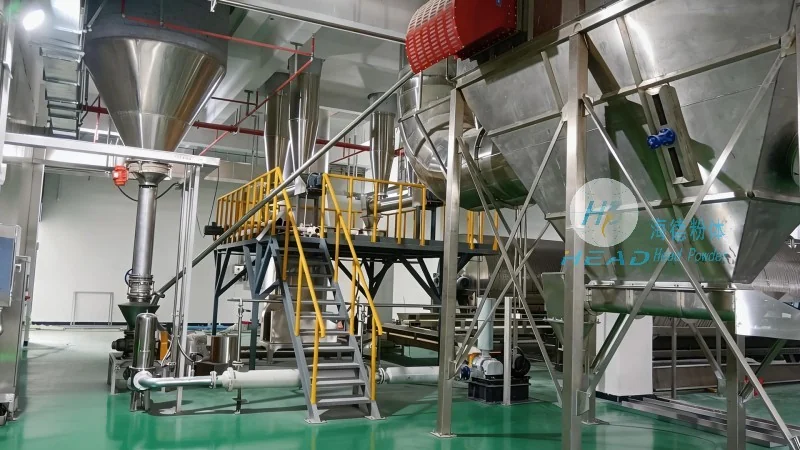
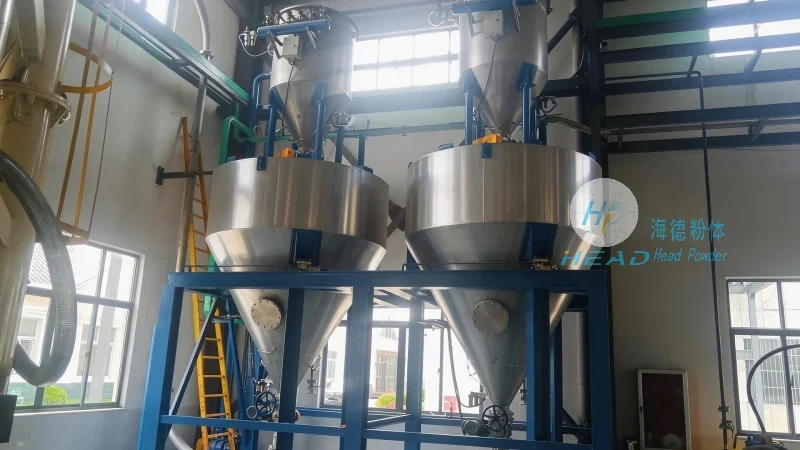
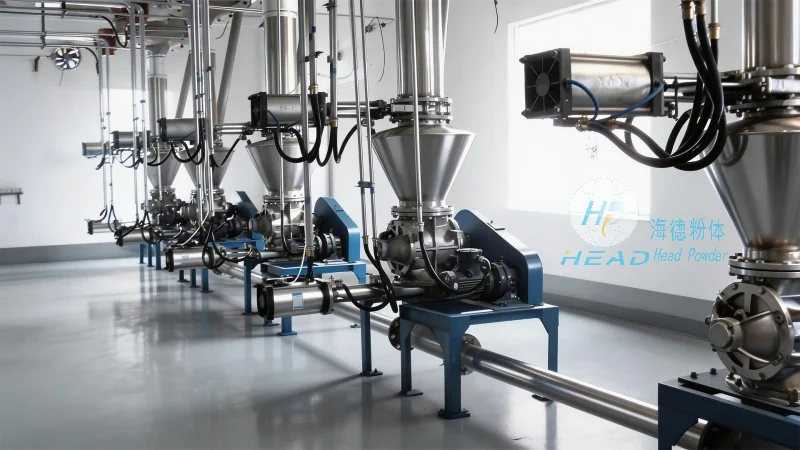
The working principle of nanoparticle calcium carbonate powder handling systems typically involves several integrated components designed to ensure safe, efficient, and consistent material transport. At the core of these systems is the use of specialized equipment such as pneumatic conveyors, screw conveyors, or vacuum pumps, which facilitate the movement of fine powder particles. The process generally begins with the material being fed into a hopper or storage silo, where it is then transferred to the conveying equipment. For nanoparticle calcium carbonate, which has a very fine particle size (typically ranging from 0.1 to 2 microns) and high surface area, special considerations are made to prevent agglomeration and ensure uniform flow. This often involves the use of additives or conditioning agents to improve powder properties, as well as controlled moisture levels to maintain material stability. The conveying system then transports the powder to the desired destination, such as a processing line or storage container. The entire process is typically automated, with sensors and control systems monitoring flow rates, pressure, and other critical parameters to maintain optimal performance. This automation ensures that the handling of nanoparticle calcium carbonate is both precise and reliable, minimizing downtime and maximizing productivity. For example, pneumatic conveying systems use compressed air to move the powder through pipes, while screw conveyors rely on rotating screws to push the material forward. Each method has its advantages, with pneumatic systems being better suited for long-distance transport and screw systems for shorter, more localized movements. The choice of equipment depends on factors such as the volume of material, the distance it needs to travel, and the specific requirements of the processing line.
Key Characteristics of Nanoparticle Calcium Carbonate Powder Handling
When evaluating nanoparticle calcium carbonate powder handling systems, several key characteristics stand out as critical for effective operation. First, the system must be capable of handling fine, cohesive powders without causing blockages or clogging. Nanoparticle calcium carbonate has a tendency to stick together due to its high surface energy, so the design of the conveying equipment, including the use of smooth surfaces and appropriate angles, is essential to prevent material buildup. This is often achieved through the use of special materials like stainless steel or PTFE-coated components that resist adhesion. Second, the system should maintain the particle size distribution and quality of the powder throughout the handling process. Any degradation or contamination can significantly impact the final product's performance, making it vital to use materials and processes that preserve the powder's integrity. This includes avoiding contact with corrosive substances and ensuring that the equipment is regularly cleaned to prevent residue buildup. Third, energy efficiency is a significant consideration, as nanoparticle calcium carbonate handling can be energy-intensive, especially with high-volume operations. Advanced systems often incorporate energy-saving features such as variable speed drives and optimized airflow to reduce operational costs. For instance, variable speed drives allow the conveyor speed to be adjusted based on the material flow rate, preventing unnecessary energy consumption. Fourth, safety is paramount due to the fine nature of the powder, which can pose inhalation risks and create dust hazards. Therefore, dust collection systems and explosion-proof designs are standard features in modern handling equipment. These systems ensure that any airborne particles are captured and filtered, reducing the risk of respiratory issues and fire hazards. Finally, scalability is important for businesses that may need to expand their operations. The ability to integrate additional components or increase capacity without disrupting existing processes is a key characteristic of effective nanoparticle calcium carbonate powder handling solutions. This flexibility allows companies to adapt to changing production demands and growth without the need for complete system overhauls.