Light-weight calcium carbonate (LCC) is a widely used industrial material, and its efficient transportation is crucial for various production processes. Pneumatic conveying is a common method for handling such powders, and understanding its working principle and characteristics is essential for optimizing industrial operations. This article provides an overview of the working principle and key characteristics of light-weight calcium carbonate pneumatic conveying, with a focus on the technical aspects and practical applications.
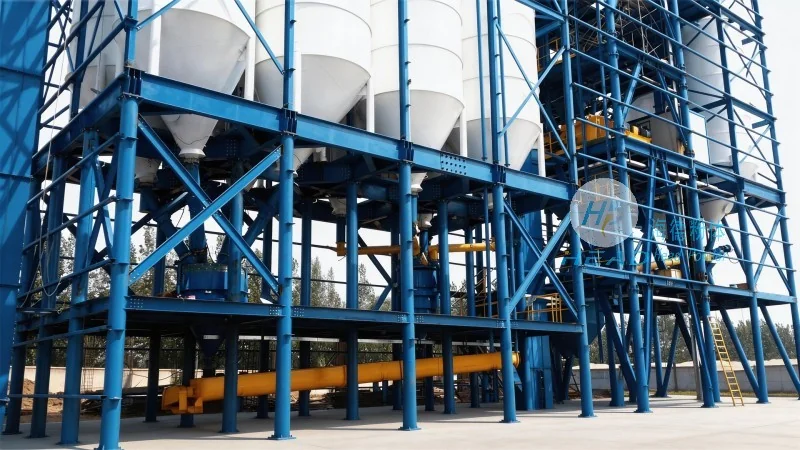
Introduction to Light-Weight Calcium Carbonate and Pneumatic Conveying
Light-weight calcium carbonate, also known as precipitated calcium carbonate (PCC), is a fine powder with a low bulk density, typically ranging from 0.4 to 0.8 g/cm³. It is commonly used in industries such as paper, plastics, coatings, and rubber due to its excellent whiteness, fineness, and cost-effectiveness. Pneumatic conveying, or air conveying, is a technology that uses compressed air to transport bulk materials like powders and granules through a pipeline system. This method offers several advantages over traditional mechanical conveying, including reduced equipment wear, lower maintenance costs, and the ability to handle materials in a closed system, minimizing dust emissions.
Working Principle of Light-Weight Calcium Carbonate Pneumatic Conveying
The working principle of light-weight calcium carbonate pneumatic conveying involves the use of a compressor to generate high-pressure air, which is then introduced into the conveying pipeline. The material is fed into the system, typically at the inlet or through a hopper, and is entrained by the air flow. The air and material mixture travels through the pipeline, with the air providing the necessary kinetic energy to move the powder. The system may include components such as a feeder, a filter, a silencer, and a receiver, which work together to ensure efficient and safe operation. The key steps in the process include material feeding, air compression, material-air mixing, transportation, and material separation. The velocity of the air in the pipeline is critical, as it must be sufficient to prevent material settling but not so high as to cause excessive pressure drop or equipment wear. The pressure drop along the pipeline is another important factor, as it affects the system's efficiency and energy consumption.
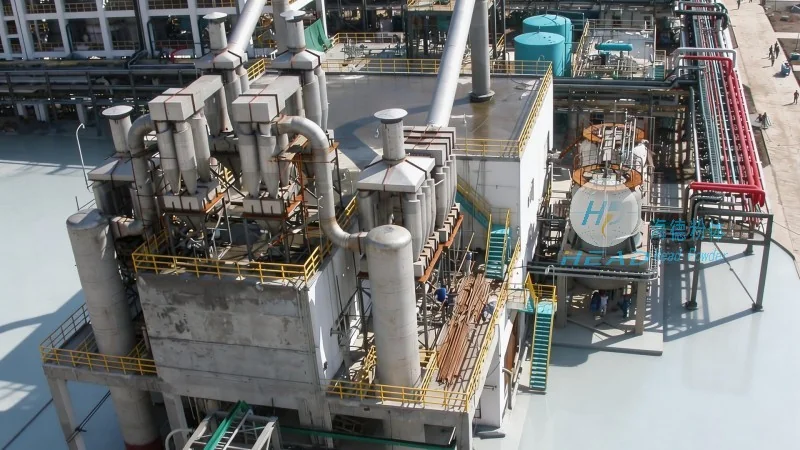
Key Characteristics of Light-Weight Calcium Carbonate Pneumatic Conveying Systems
Light-weight calcium carbonate pneumatic conveying systems exhibit several distinct characteristics that make them suitable for various industrial applications. One of the primary characteristics is the ability to handle fine powders with low bulk density, which is challenging for other conveying methods. The systems are designed to maintain a stable flow rate and pressure, ensuring consistent material delivery to downstream processes. Another important characteristic is the closed-loop operation, which helps to control dust emissions and maintain a clean working environment. The systems also offer flexibility in terms of layout, as they can be configured to fit different plant layouts and production requirements. Additionally, the equipment used in these systems is generally compact and easy to install, reducing the overall footprint of the plant. However, the systems also have some limitations, such as the need for high air pressure and the potential for material degradation if not properly controlled. Proper maintenance and monitoring are essential to ensure the long-term performance and reliability of the system.
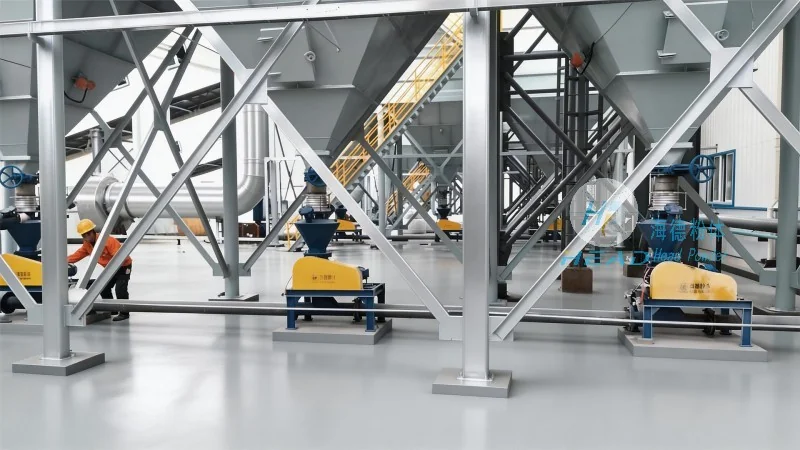
Applications and Benefits in Industrial Production
Light-weight calcium carbonate pneumatic conveying systems are widely used in various industrial sectors due to their efficiency and reliability. In the paper industry, for example, LCC is used as a filler and coating material, and pneumatic conveying allows for the uniform distribution of the powder in the production process. In the plastics industry, LCC is added to improve the whiteness and opacity of plastic products, and the conveying system ensures that the material is mixed uniformly with the resin. The systems also find applications in the coatings and rubber industries, where the consistent delivery of LCC is crucial for maintaining product quality. The benefits of using pneumatic conveying for LCC include improved product quality, reduced downtime, and lower operating costs. The closed system also helps to minimize environmental impact by controlling dust emissions and preventing material contamination. Overall, the use of light-weight calcium carbonate pneumatic conveying systems contributes to the efficiency and sustainability of industrial production processes.
Conclusion and Company Information
In conclusion, light-weight calcium carbonate pneumatic conveying is an effective method for transporting fine powders with low bulk density. The working principle involves the use of compressed air to entrain and transport the material through a pipeline system, with key components such as feeders, filters, and receivers ensuring efficient operation. The systems exhibit several advantages, including closed-loop operation, flexibility, and compact design, making them suitable for various industrial applications. However, proper design, maintenance, and monitoring are essential to ensure optimal performance and reliability. For companies seeking to implement or upgrade their LCC conveying systems, Shandong HeadPowder Engineering Co., Ltd. offers expertise and solutions tailored to specific production needs. With a focus on quality and customer satisfaction, HeadPowder provides reliable equipment and technical support to enhance industrial operations. Located in Shandong, China, the company serves a wide range of industries with its advanced pneumatic conveying solutions, helping to improve efficiency and productivity in material handling processes.




