Pneumatic conveying is a critical technology in the processing and handling of agricultural byproducts such as husks. For industries dealing with materials like rice husk, wheat husk, or other agricultural residues, selecting the right conveying method is essential for efficiency, cost-effectiveness, and operational reliability. Two primary approaches dominate this field: positive pressure and negative pressure systems. This analysis delves into the characteristics, advantages, and limitations of each, providing a comprehensive comparison to aid in informed decision-making.
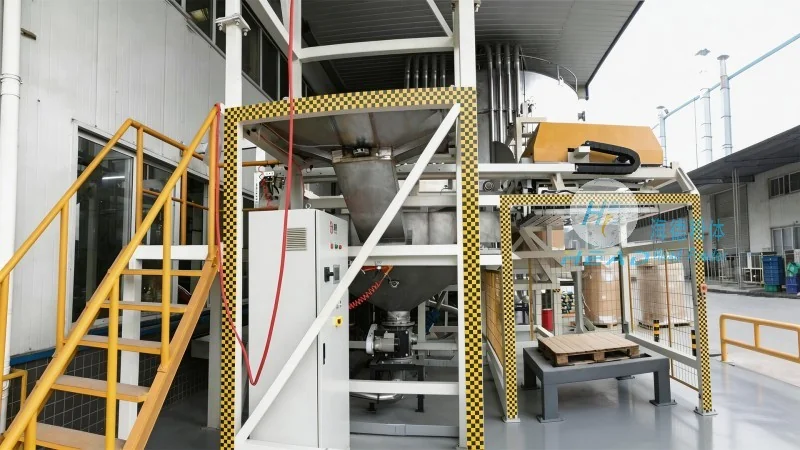
Understanding Positive Pressure Pneumatic Conveying
Positive pressure pneumatic conveying operates by forcing air and material through a system under pressure. In this method, a blower or compressor generates high-pressure air that propels the material through the pipeline. The system typically includes a hopper, a feeding mechanism, a pressure vessel, and a discharge point. The positive pressure approach is known for its ability to handle abrasive and high-density materials effectively. It can transport materials over longer distances and through complex piping networks without significant pressure loss. However, this method requires robust equipment to withstand the high pressures and can be more energy-intensive compared to other options.
Understanding Negative Pressure Pneumatic Conveying
Negative pressure pneumatic conveying, on the other hand, draws material into the system using a vacuum. A fan or vacuum pump creates a low-pressure environment that pulls the material from the source into the conveying line. This approach is often preferred for handling lighter, less abrasive materials and for applications where dust control is a priority. Negative pressure systems are generally quieter and can be more cost-effective for shorter distances. However, they are less suitable for transporting high-density or abrasive materials over long distances due to potential blockages and reduced efficiency.
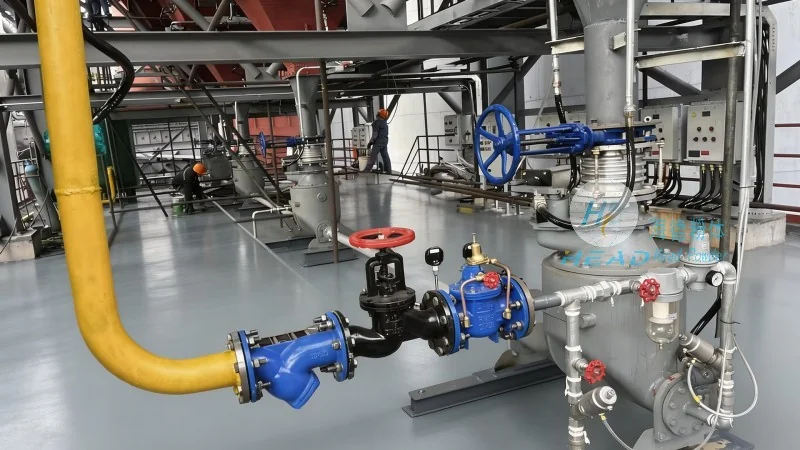
Comparative Analysis of Positive vs. Negative Pressure Systems
When comparing positive and negative pressure pneumatic conveying for husk handling, several key factors emerge. Positive pressure systems excel in handling high-volume, abrasive materials and over longer distances, making them ideal for large-scale processing facilities. They offer better control over material flow and can handle variations in material consistency. Conversely, negative pressure systems are advantageous for applications requiring minimal dust generation and for shorter transport distances. They are also more economical for handling lighter materials and in environments where noise and energy consumption are concerns.
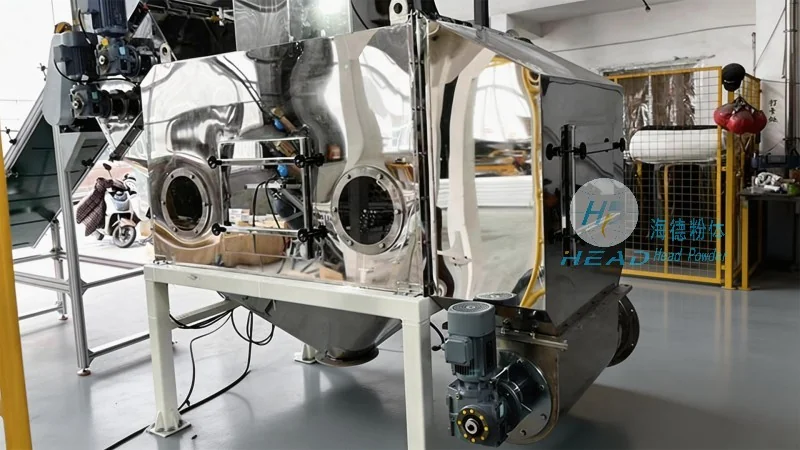
Factors Influencing the Choice Between Positive and Negative Pressure Conveying
The decision between positive and negative pressure pneumatic conveying depends on several practical considerations. Material properties, such as density, abrasiveness, and moisture content, play a crucial role. For example, rice husk, which is often abrasive and has a high density, may benefit more from a positive pressure system to ensure consistent transport without degradation. The distance and layout of the conveying system also impact the choice. Longer runs and complex piping networks typically favor positive pressure due to its ability to maintain pressure and flow. Environmental and operational constraints, including noise levels and energy costs, are also critical. Facilities in noise-sensitive areas or with strict energy budgets may lean towards negative pressure systems.
Conclusion and Recommendations
In conclusion, both positive and negative pressure pneumatic conveying systems offer viable solutions for husk handling, each with distinct advantages and limitations. Positive pressure systems provide superior performance for high-volume, abrasive materials and longer distances, while negative pressure systems are more suitable for lighter materials and shorter, dust-sensitive applications. For industries operating in China, particularly in Shandong, where agricultural processing is prevalent, companies like Shandong HeadPowder Engineering Co., Ltd. specialize in designing and implementing tailored pneumatic conveying solutions. By evaluating material characteristics, operational requirements, and budget constraints, facilities can select the most appropriate system to optimize efficiency and operational costs. This comparative analysis serves as a guide for making informed decisions, ensuring that the chosen pneumatic conveying method aligns with the specific needs of the husk handling process.




