When it comes to handling red beans in industrial settings, selecting the right pneumatic conveying method is crucial for efficiency, cost-effectiveness, and product integrity. Two primary approaches dominate the industry: positive pressure conveying and negative pressure conveying. Each method has distinct characteristics, advantages, and applications that make them suitable for different scenarios in red bean processing operations.
Understanding Positive Pressure Conveying
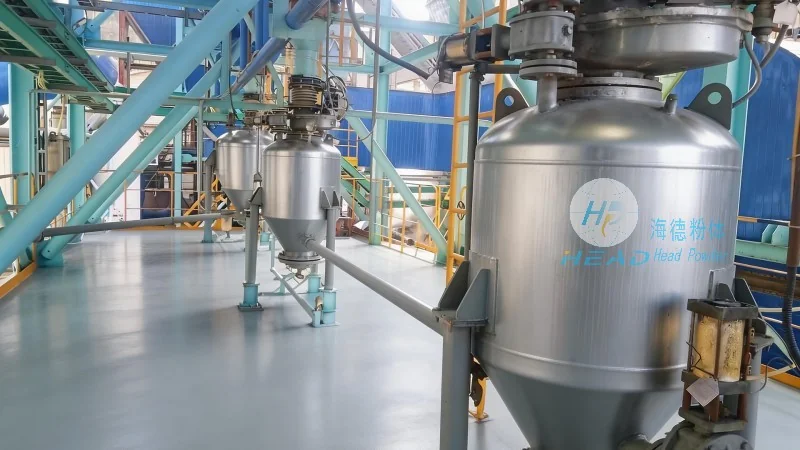
Positive pressure conveying, also known as pressure pneumatic conveying, operates by blowing air or gas into a sealed system to move materials. In the context of red bean handling, this method involves using a positive pressure blower to generate air pressure that forces the red beans through a pipeline. The system typically includes a hopper, a rotary valve, and a conveying line, with the air pressure maintaining the flow of the beans. This approach is particularly effective for long-distance conveying and when dealing with abrasive or sticky materials like red beans, as the positive pressure helps to prevent blockages and ensures consistent flow.
For red bean processing facilities, positive pressure conveying offers several benefits. It allows for high conveying speeds, which can significantly reduce the time required to transport large quantities of beans. Additionally, the sealed system minimizes dust exposure and contamination, which is critical for maintaining the quality of the product. The method is also relatively easy to install and maintain, making it a popular choice for many industrial applications. However, it may require more energy compared to negative pressure systems, as the blower needs to generate sufficient pressure to move the material.
Exploring Negative Pressure Conveying
Negative pressure conveying, or vacuum pneumatic conveying, works by creating a vacuum in the system to draw materials into the pipeline. In this method, a vacuum pump pulls air and the red beans from a hopper or storage area into the conveying line. The system is often used for shorter distances and when the material is less abrasive or when the facility layout requires a different approach. Unlike positive pressure, negative pressure systems do not use high air pressure to force the material, but rather rely on the vacuum to create suction and move the beans.
For red bean processing, negative pressure conveying has its own set of advantages. It is generally more energy-efficient compared to positive pressure systems, as the vacuum pump operates at lower power levels. This can lead to cost savings over time, especially for facilities that handle large volumes of red beans. Additionally, the vacuum system can be more flexible in terms of layout, as it can draw material from multiple sources and direct it to different destinations. However, negative pressure conveying may be less effective for long-distance or high-volume applications, as the suction power can diminish over longer distances and with larger particle sizes.
Key Differences and Applications in Red Bean Processing
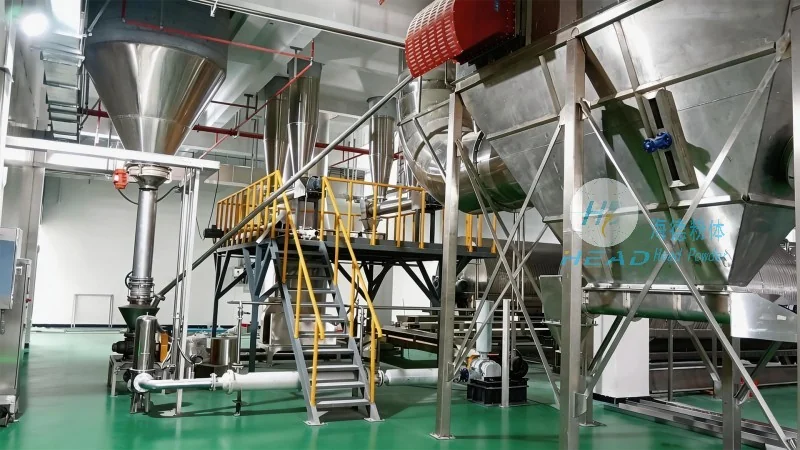
When comparing positive and negative pressure conveying for red bean processing, several key factors come into play. The primary difference lies in the direction of air flow and the pressure differential. Positive pressure uses compressed air to push the material, while negative pressure uses a vacuum to pull it. This difference impacts the system's energy consumption, conveying distance, and material handling capabilities. For instance, positive pressure is often preferred for long-distance conveying and when dealing with materials that are prone to bridging or clogging, as the constant pressure helps to maintain flow. Negative pressure, on the other hand, is better suited for shorter distances and when the material is less likely to cause blockages, as the suction force is sufficient for moderate volumes.
In terms of applications, positive pressure conveying is commonly used in red bean processing plants for transporting beans from storage silos to processing lines, such as for roasting or grinding. It is also used in packaging operations where the beans need to be moved from a hopper to a filling machine. Negative pressure conveying may be used for tasks like transferring red beans from a receiving hopper to a storage bin, or for cleaning and maintenance operations where the material needs to be moved from a specific area to a collection point. The choice between the two methods ultimately depends on the specific requirements of the processing line, including the distance, volume, and characteristics of the red beans being handled.
Factors to Consider When Choosing a Conveying Method
When selecting between positive and negative pressure conveying for red bean processing, several factors should be considered to ensure the optimal performance and efficiency. First, the distance and layout of the processing facility are critical. For long distances or complex layouts, positive pressure conveying may be more suitable due to its ability to maintain consistent pressure over longer lines. For shorter distances or simpler layouts, negative pressure conveying can be a more energy-efficient option. Second, the characteristics of the red beans themselves play a role. If the beans are large, abrasive, or sticky, positive pressure conveying may be preferred to prevent blockages and ensure smooth flow. If the beans are smaller and less abrasive, negative pressure conveying can effectively handle the material without excessive wear on the system components.
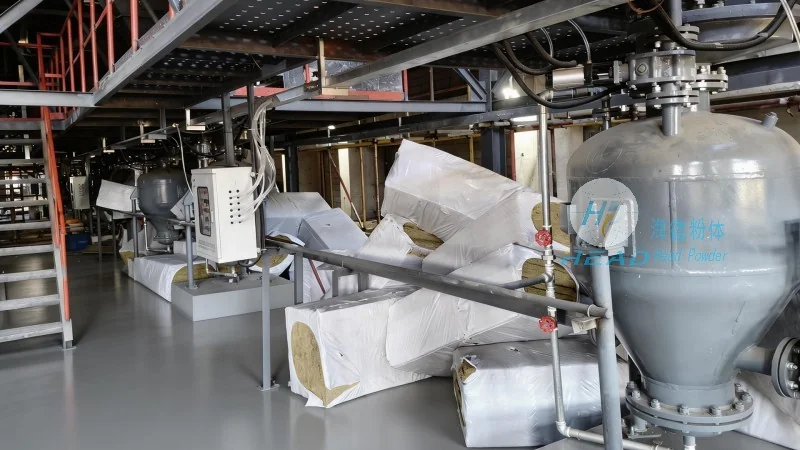
Third, the energy consumption and operational costs are important considerations. Positive pressure systems typically require more energy due to the need for a high-pressure blower, which can increase operational costs over time. Negative pressure systems, while more energy-efficient, may require more maintenance due to the vacuum pump and associated components. Additionally, the initial investment cost and maintenance requirements should be evaluated. Positive pressure systems may have a higher upfront cost but lower maintenance needs, while negative pressure systems may have a lower initial cost but higher maintenance requirements.
Fourth, the environmental and safety aspects should not be overlooked. Both positive and negative pressure conveying systems can be designed to minimize dust and noise, but the specific design and implementation will affect their performance in this regard. For example, positive pressure systems may require additional filtration to prevent dust from escaping, while negative pressure systems may need to ensure that the vacuum does not create negative pressure that could draw in contaminants. The choice of method should also consider the safety of the operators and the surrounding environment, as both systems can pose risks if not properly maintained or operated.
Conclusion: Selecting the Right Pneumatic Conveying Method for Red Bean Processing
Choosing between positive pressure and negative pressure conveying for red bean processing is a critical decision that impacts the efficiency, cost, and quality of the overall operation. Positive pressure conveying offers high conveying speeds, consistent flow, and effective handling of abrasive or sticky materials, making it suitable for long-distance and high-volume applications. Negative pressure conveying, on the other hand, provides energy efficiency, flexibility in layout, and lower initial costs, making it ideal for shorter distances and less abrasive materials. By carefully evaluating the specific requirements of the red bean processing facility, including distance, material characteristics, and operational costs, the appropriate pneumatic conveying method can be selected to optimize performance and ensure the best possible outcomes.
Shandong HeadPowder Engineering Co., Ltd., a leading provider of pneumatic conveying solutions, specializes in designing and manufacturing systems tailored to the unique needs of red bean processing operations. With decades of experience in the industry, HeadPowder offers customized solutions that integrate both positive and negative pressure conveying technologies to meet the diverse demands of red bean processing facilities. The company's commitment to quality, efficiency, and customer satisfaction ensures that clients receive reliable and effective systems that enhance their processing capabilities and improve overall productivity.




