

Technical Analysis of Pea Pneumatic Conveying Systems: Comparison of Positive Pressure and Negative
HeadPowder, a leading engineering company based in Shandong, China, specializes in the design and implementation of advanced pneumatic conveying systems for various agricultural products, including peas. This technical analysis delves into the fundamental differences between positive pressure and negative pressure conveying modes, offering insights into their applications, advantages, and practical considerations for optimal system performance.
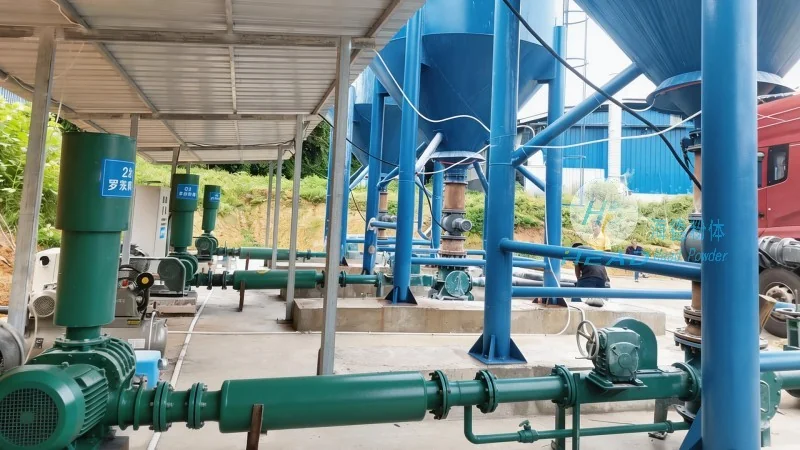
Introduction to Pea Pneumatic Conveying Systems
Pneumatic conveying systems are widely used in the food processing industry to transport bulk materials like peas from one location to another without the need for mechanical components such as belts or buckets. These systems rely on the movement of air to transport the material, making them ideal for handling delicate or sensitive products that require minimal physical contact. HeadPowder Engineering Co., Ltd., with its extensive experience in the field, provides customized solutions tailored to the specific needs of pea processing facilities.
Understanding Positive Pressure Conveying
Positive pressure conveying, also known as pressure conveying, operates by blowing air into the conveying line, creating a pressure higher than the ambient air pressure. This method is particularly effective for transporting materials over long distances or through complex system layouts. In a pea pneumatic conveying system, positive pressure ensures that the material is continuously pushed through the pipeline, reducing the risk of blockages and maintaining consistent flow rates. The system typically includes a blower, a hopper for material storage, and a series of pipelines connected to the processing equipment. The positive pressure mode is often preferred for applications where the material needs to be transported from a central storage area to multiple processing points, as it allows for flexible routing and distribution.
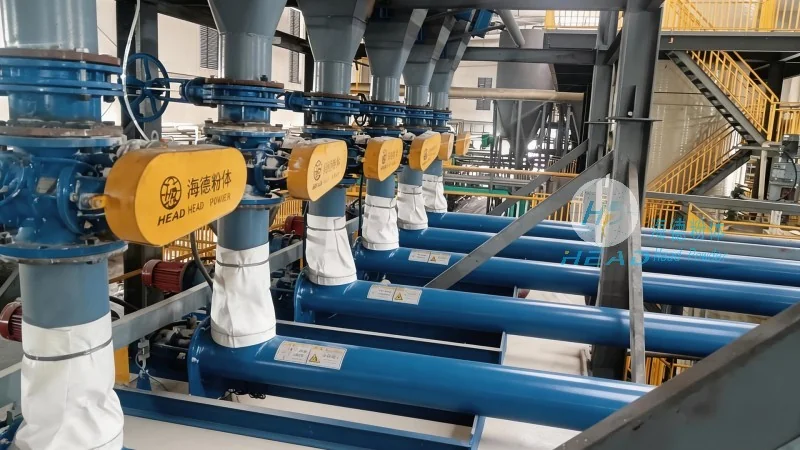
Advantages of Positive Pressure Conveying in Pea Processing
One of the key advantages of positive pressure conveying is its ability to handle high volumes of material efficiently. By maintaining a consistent pressure, the system can transport peas at a steady rate, minimizing downtime and improving overall production throughput. Additionally, positive pressure systems are less prone to material degradation compared to other methods, as the material is not subjected to excessive friction or impact. This is crucial for maintaining the quality and nutritional value of peas, which are sensitive to physical stress. HeadPowder's engineering expertise ensures that positive pressure systems are designed with appropriate air velocities and pipeline diameters to prevent particle damage and ensure smooth operation.
Exploring Negative Pressure Conveying
Negative pressure conveying, or vacuum conveying, works by creating a vacuum in the conveying line, drawing material from the source into the system. This method is commonly used for shorter conveying distances and when the material needs to be collected from multiple points. In a pea pneumatic conveying system, negative pressure systems are often employed for transporting peas from a processing line back to a storage hopper or for transferring material from a lower elevation to a higher one. The vacuum created by the system pulls the peas through the pipeline, ensuring that the material is drawn efficiently without the need for external pressure.
Key Benefits of Negative Pressure Conveying
Negative pressure conveying offers several advantages, particularly in applications where the material is to be collected from multiple sources or when the system layout is constrained. One significant benefit is the reduced risk of dust and material spillage, as the system operates under a vacuum, preventing particles from escaping the pipeline. This is especially important for pea processing, where dust can affect product quality and worker safety. Additionally, negative pressure systems are generally more energy-efficient for shorter distances, as they require less power to maintain the vacuum compared to the continuous pressure needed in positive pressure systems. HeadPowder's engineers consider the specific conveying distance and material characteristics when recommending a negative pressure system, ensuring optimal performance and cost-effectiveness.
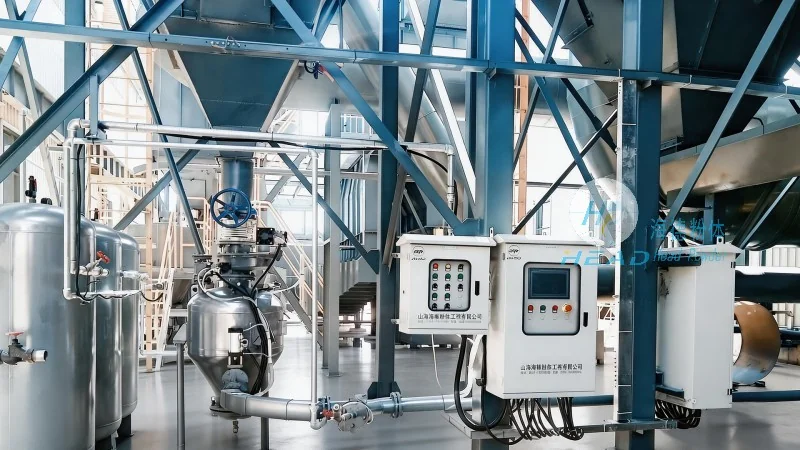
Comparative Analysis: Positive vs. Negative Pressure Conveying
When selecting a pneumatic conveying system for pea processing, it is essential to evaluate the specific requirements of the application, including the distance to be covered, the volume of material to be transported, and the layout of the processing facility. The choice between positive and negative pressure modes depends on these factors and the overall system design. Positive pressure conveying is generally more suitable for long-distance or complex system layouts, offering higher throughput and flexibility. In contrast, negative pressure conveying is ideal for shorter distances and applications requiring material collection from multiple points, with lower energy consumption and reduced dust exposure. HeadPowder Engineering Co., Ltd. provides comprehensive technical support to help clients choose the most appropriate conveying mode, ensuring that the system meets both operational and quality standards.
Conclusion and Recommendations
Both positive and negative pressure conveying modes have their unique advantages and are suitable for different aspects of pea processing. Positive pressure systems excel in high-volume, long-distance transport, while negative pressure systems are better suited for shorter distances and material collection. HeadPowder Engineering Co., Ltd., with its expertise in pneumatic conveying technology, offers customized solutions that integrate the best features of both modes to meet the specific needs of each client. By understanding the technical differences and operational requirements, pea processing facilities can select the most efficient and effective conveying system, enhancing productivity and maintaining product quality. HeadPowder remains committed to delivering innovative and reliable solutions for the agricultural processing industry, ensuring that pea pneumatic conveying systems operate at peak performance.