HeadPowder, a leading provider in the field of industrial material handling solutions, specializes in advanced technologies for the efficient transport of dry flue gas desulfurization (FGD) ash. This article explores the working principle and key characteristics of pneumatic conveying systems designed for this specific application, offering insights into how these systems enhance operational efficiency and environmental compliance in power generation and industrial facilities.
Company Overview: HeadPowder Engineering
HeadPowder Engineering Co., Ltd., headquartered in Shandong, China, is a professional manufacturer and supplier dedicated to developing innovative solutions for material handling. With a strong focus on research and development, the company has established itself as a trusted partner for clients seeking reliable and efficient systems for transporting dry FGD ash. The company's commitment to quality and customer satisfaction has positioned it as a key player in the industry, delivering tailored solutions that meet the unique needs of various industrial applications.
Working Principle of Pneumatic Conveying for Dry FGD Ash
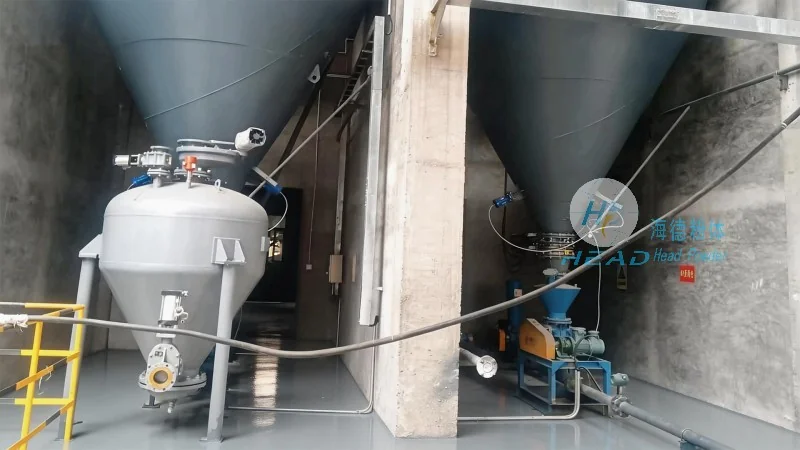
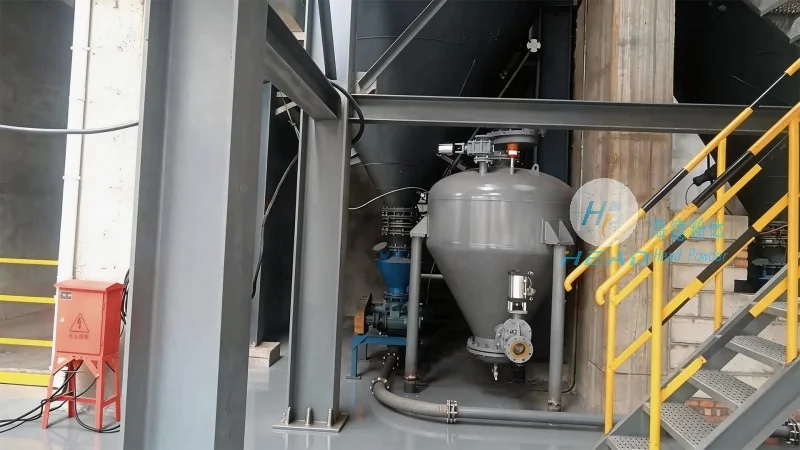
The pneumatic conveying system for dry flue gas desulfurization ash operates on the principle of using air or gas to transport solid particles through a pipeline. In this process, the dry ash is introduced into a hopper or feeder, where it is mixed with an air stream. The air, often under pressure, creates a flow that lifts and transports the ash particles through the pipeline to the designated destination, such as a storage silo or disposal site. The system typically employs positive pressure or negative pressure (suction) to move the material, depending on the specific requirements of the application. The key components of the system include the ash feeder, air compressor or vacuum pump, pipeline network, and control system, all working in tandem to ensure smooth and continuous operation.
Key Characteristics of the Pneumatic Conveying System
Several notable characteristics define the effectiveness and advantages of pneumatic conveying for dry FGD ash. Firstly, the system offers high efficiency in terms of material transport, with the ability to handle large volumes of ash over long distances with minimal downtime. The use of air as the conveying medium allows for a flexible and compact design, reducing the need for extensive infrastructure compared to traditional methods like belt conveyors. Additionally, the system provides excellent control over the ash flow rate and pressure, enabling precise regulation to match the requirements of downstream processes. Another significant characteristic is the ability to handle abrasive and fine particles, which are common in FGD ash, without causing excessive wear or blockages in the pipeline. The system also ensures minimal environmental impact by containing dust and preventing emissions during transport, contributing to better air quality and compliance with environmental regulations.
Advantages and Applications
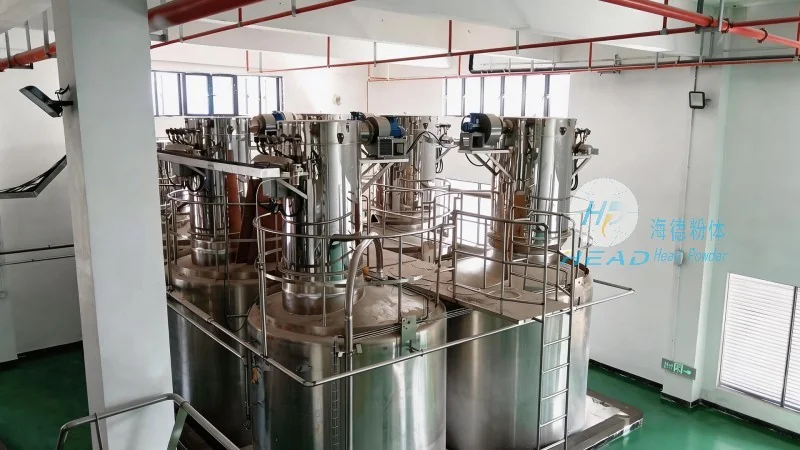
Pneumatic conveying systems for dry FGD ash offer several advantages that make them a preferred choice in industrial settings. The primary benefit is the high degree of automation and control, which reduces labor costs and improves operational safety. The system is also highly adaptable, capable of handling varying ash compositions and flow rates, making it suitable for different power plant sizes and operational conditions. Furthermore, the compact design and low maintenance requirements contribute to lower overall operational costs. These systems are widely used in power generation facilities, particularly those equipped with wet or dry flue gas desulfurization systems, to transport the byproduct ash from the scrubbers to storage or disposal areas. The technology is also applicable in other industrial sectors, such as chemical and cement plants, where similar solid waste handling requirements exist.




