Efficient and reliable material handling is a critical aspect of modern agricultural and food processing operations. Among the various technologies available, pneumatic conveying systems have emerged as a preferred solution for transporting bulk materials like soybean feed. This article explores the working principle and key features of pneumatic conveying systems specifically designed for soybean feed applications, highlighting how they enhance operational efficiency and product quality.
Pneumatic Conveying Systems: An Overview
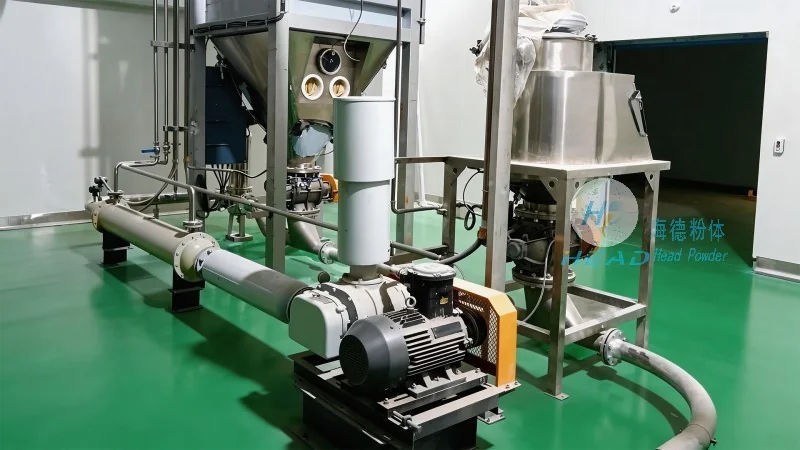
Pneumatic conveying, also known as air conveying, is a method of transporting bulk materials through a pipeline using a flow of air or gas. Unlike mechanical systems that rely on belts, screws, or buckets, pneumatic conveying utilizes air pressure to move materials, offering several advantages in terms of flexibility, cleanliness, and low maintenance. For soybean feed, which is often sensitive to moisture and contamination, this technology provides a hygienic and efficient means of transport. The closed pipeline design ensures that the material is shielded from external elements, reducing the risk of spoilage and maintaining the nutritional integrity of the feed.
The Working Principle of Soybean Feed Pneumatic Conveying
The core of a pneumatic conveying system for soybean feed involves a series of components working in tandem to move material from the source to the destination. The process typically begins with the material being fed into a hopper or silo. From there, the material is drawn into a pipeline by a vacuum or pressure source, depending on the system design. The air or gas, often compressed air or a vacuum created by a fan or blower, creates a flow that propels the soybean feed particles through the pipeline. The feed hopper, equipped with a metering valve, controls the flow rate of the material, ensuring a consistent feed into the conveying line. The conveying line itself is typically made of stainless steel or other corrosion-resistant materials to withstand the chemical properties of soybean feed and maintain hygiene standards.
The air supply system, which includes the blower or vacuum pump, generates the necessary pressure or vacuum to move the material. The pressure differential between the inlet and outlet of the pipeline is carefully managed to achieve optimal conveying velocity without excessive energy consumption. The discharge device, such as a rotary valve or a venturi, releases the material at the destination, ensuring a controlled and uniform flow. This entire process is automated, allowing for continuous operation with minimal human intervention.
Key Features of Soybean Feed Pneumatic Conveying Systems
Several distinct features make pneumatic conveying an ideal choice for soybean feed applications. Firstly, the system offers excellent hygienic performance. Since the material is transported in a closed pipeline, there is minimal exposure to external contaminants, which is crucial for maintaining the quality and safety of soybean feed. This is particularly important in food processing environments where regulatory compliance is paramount. The absence of direct contact with the environment reduces the risk of microbial growth and cross-contamination, ensuring that the feed meets the highest standards of quality.
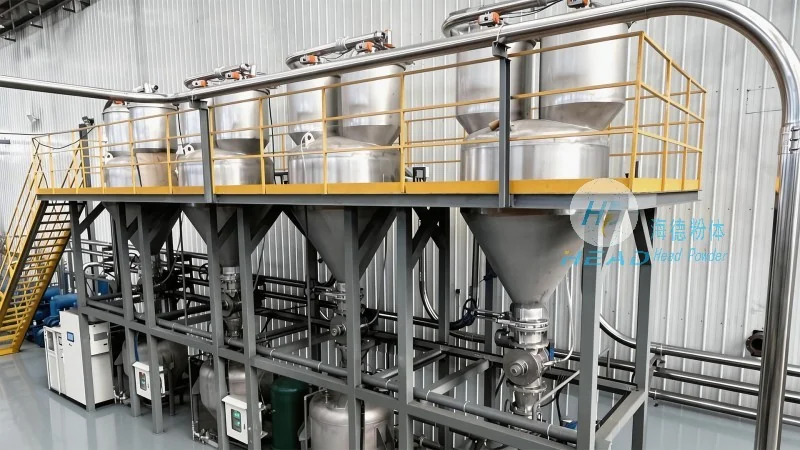
Secondly, pneumatic conveying systems provide high flexibility in terms of layout and installation. The pipelines can be easily routed around obstacles, and the system can be adapted to different plant layouts without significant modifications. This flexibility allows for efficient use of space in processing facilities, which is often a constraint in modern agricultural operations. The ability to install horizontal, vertical, or inclined pipelines makes the system versatile, accommodating various spatial constraints in a processing plant.
Thirdly, the technology offers low maintenance requirements. Unlike mechanical systems that have moving parts such as belts or screws, pneumatic conveying systems have fewer components that require regular maintenance. The absence of direct material contact with the conveying mechanism reduces wear and tear, leading to lower operational costs and longer system lifespans. The blower and other air handling components are designed for durability, with features like oil-lubricated bearings to extend their operational life.
Additionally, pneumatic conveying systems are capable of handling a wide range of particle sizes and moisture contents. Soybean feed, which can vary in consistency, is effectively managed by these systems, ensuring consistent transport performance. The ability to handle different material characteristics makes the system versatile and suitable for various processing stages, from raw material storage to final product packaging. For instance, the system can handle both dry soybean meal and wet feed additives, adapting to the changing needs of the processing line.
Applications and Benefits in Soybean Feed Processing
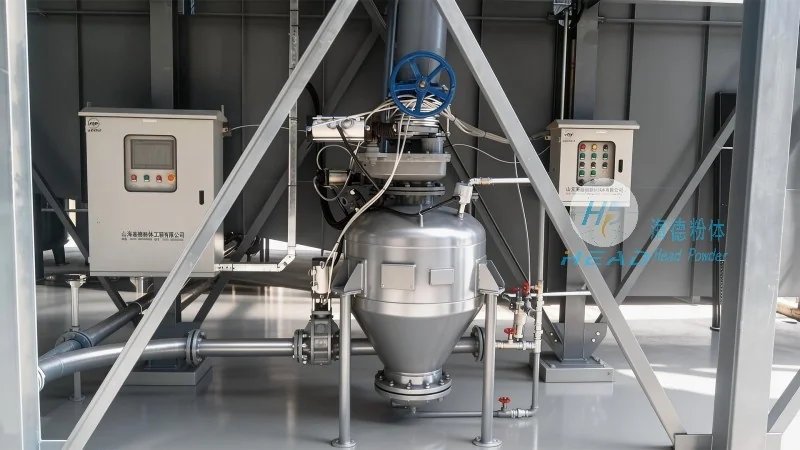
In the context of soybean feed processing, pneumatic conveying systems are widely used in several key applications. These include transporting soybean meal from storage silos to processing lines, moving feed additives and supplements to mixing equipment, and delivering finished feed products to packaging units. The benefits of using pneumatic conveying in these applications are significant. For instance, in the transport of soybean meal, the system minimizes product degradation due to reduced exposure to air and moisture, preserving the nutritional value of the feed. The consistent flow ensures that the feed is delivered to the mixing stage at the right time, preventing delays and maintaining production efficiency.
Moreover, the system enhances operational efficiency by allowing for continuous and automated material handling. This reduces labor costs and improves throughput, which is essential for meeting production demands in the agricultural sector. The ability to integrate with other processing equipment, such as mixers and grinders, further streamlines the production process, leading to higher overall productivity. The automated nature of the system also reduces the risk of human error, ensuring consistent product quality across batches.
Conclusion and Company Introduction
Pneumatic conveying systems represent a sophisticated and efficient solution for the transportation of soybean feed in modern agricultural and food processing industries. By leveraging the principles of air movement, these systems offer superior performance in terms of hygiene, flexibility, and maintenance. The key features discussed, including their hygienic design, flexible layout, and low maintenance requirements, make them a preferred choice for processing facilities.
Shandong HeadPowder Engineering Co., Ltd., a leading provider of engineering solutions for material handling, specializes in designing and manufacturing pneumatic conveying systems tailored to the needs of soybean feed applications. With a focus on innovation and quality, the company has established itself as a trusted partner in the agricultural processing sector. Headquartered in Shandong, China, HeadPowder Engineering Co., Ltd. combines advanced technology with practical expertise to deliver reliable and efficient solutions that meet the stringent requirements of the industry. The company's commitment to customer satisfaction and product excellence has made it a preferred choice for processing facilities seeking to enhance their material handling capabilities.




