

Working Principle and Features of Resin Pneumatic Conveying Systems
Resin pneumatic conveying systems represent advanced industrial technology designed to transport resin materials efficiently and safely. These systems leverage air or gas as the primary conveying medium, enabling the movement of resin particles through pipelines without the need for mechanical components like belts or chains. The technology integrates principles of fluid dynamics and mechanical engineering to ensure optimal performance, reliability, and material handling capabilities across various industrial applications.
Working Principle of Resin Pneumatic Conveying Systems
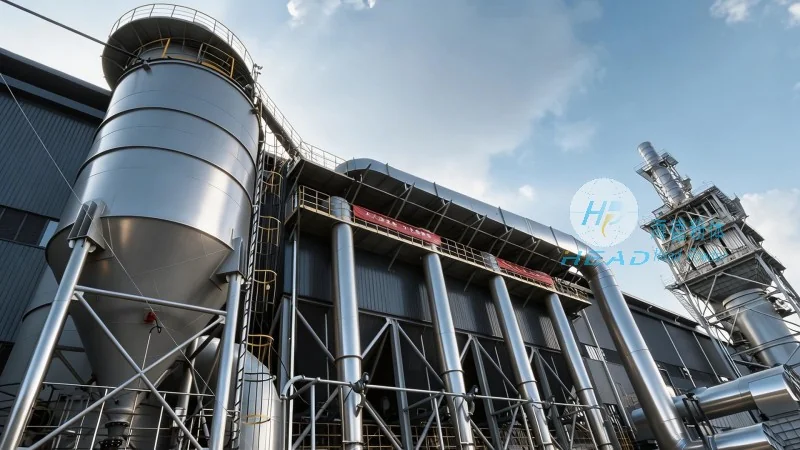
The fundamental operation of a resin pneumatic conveying system involves the generation of airflow using a pressure or vacuum source to propel resin particles through a pipeline. The system typically comprises several key components: a hopper for material storage, a feeder to regulate the flow rate, a conveying line, and a receiver for discharged material. The process initiates when resin is introduced into the hopper, and the feeder controls the amount of material released into the conveying line. The pressure or vacuum created by the system then either pushes or pulls the resin particles along the pipeline, transporting them to the destination. This method eliminates friction and impact-related damage common in mechanical conveying, reducing the risk of material degradation. The air velocity within the pipeline is precisely controlled to ensure particles are carried without excessive wear or degradation. Systems can operate in either positive pressure (compressed air pushing material) or negative pressure (vacuum pulling material) modes, with the choice depending on factors such as material properties, distance, and system complexity.
Key Features and Advantages of Resin Pneumatic Conveying Systems
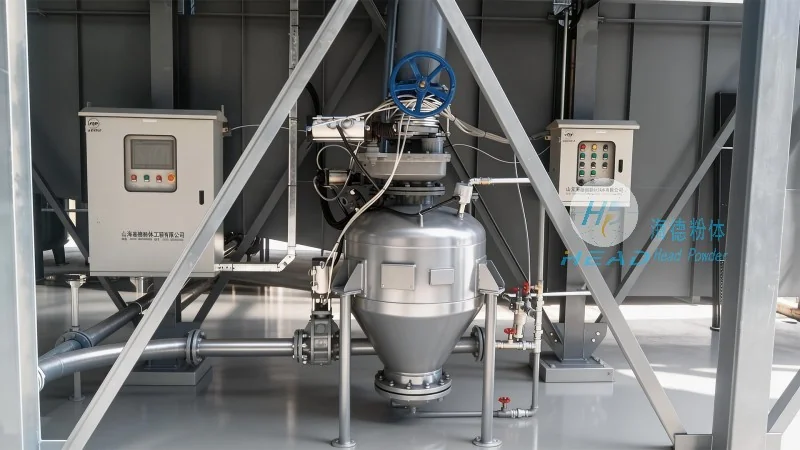
Resin pneumatic conveying systems offer several distinct advantages that make them a preferred solution in many industries. One primary benefit is the ability to transport resin materials in a closed system, which minimizes dust emissions and prevents contamination from external sources. This is critical for resin types sensitive to moisture or air exposure, as it maintains material integrity throughout the conveying process. Another key feature is system flexibility, allowing customization based on specific application needs. These systems can handle diverse particle sizes, shapes, and flow rates, making them suitable for various resin products like polyethylene, polypropylene, and epoxy resins. The use of air as the conveying medium reduces material degradation compared to mechanical methods, which may cause friction or impact damage. Additionally, pneumatic systems are generally more energy-efficient, achieving high throughput with lower power consumption. Their compact design saves floor space in industrial facilities, ideal for applications with limited room. Integration with other processes like mixing or drying is seamless, enhancing workflow efficiency. Reliability is another significant advantage, as these systems have fewer moving parts and lower maintenance needs, ensuring consistent performance over extended periods.
Applications and Industries Served by Resin Pneumatic Conveying Systems
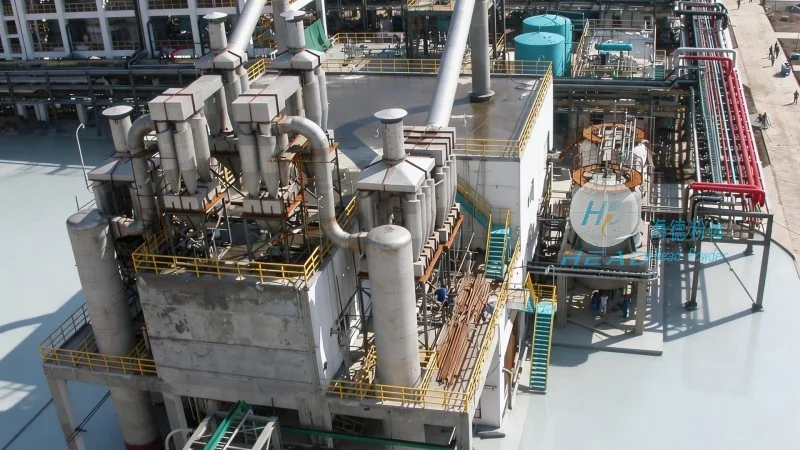
Resin pneumatic conveying systems are widely utilized across various industries requiring efficient resin handling. The plastics manufacturing industry relies on these systems to transport resin from storage to processing equipment. The automotive industry uses them for resin components in vehicle production. The construction industry benefits from handling resin-based materials for building applications. The pharmaceutical and food industries may employ these systems for resin materials needing strict contamination control. The versatility allows adaptation to different resin types and particle sizes. These systems are also used in research and development for small-scale resin testing and analysis. Overall, applications span multiple sectors, reflecting adaptability and reliability in material handling.
About Shandong HeadPowder Engineering Co., Ltd.
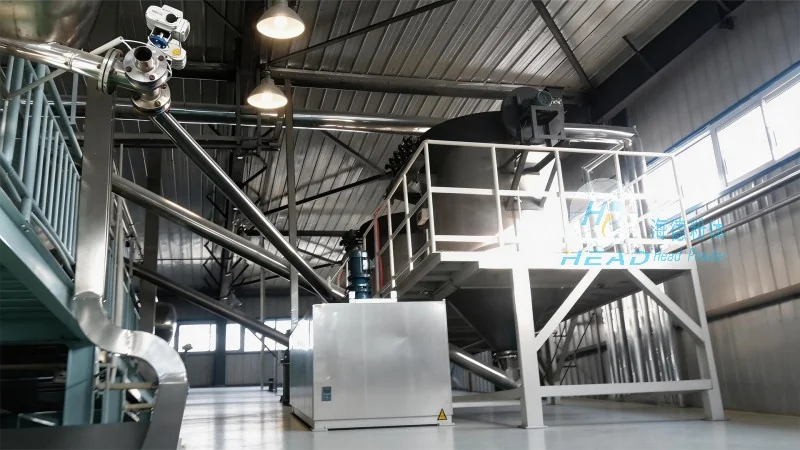
Shandong HeadPowder Engineering Co., Ltd., commonly known as HeadPowder, is a leading manufacturer and supplier of industrial conveying systems, including resin pneumatic conveying equipment. HeadPowder, headquartered in Shandong, China, specializes in innovative and high-quality solutions tailored to customer needs. The company’s team of engineers and technicians focuses on designing advanced conveying systems that meet industry standards for performance and durability. HeadPowder’s resin pneumatic conveying systems are recognized for their efficiency, long-term reliability, and minimal maintenance requirements. The company provides comprehensive after-sales support and technical assistance to ensure customer satisfaction. By leveraging cutting-edge technology and industry expertise, HeadPowder continues to deliver reliable material handling solutions that enhance operational efficiency and reduce costs for businesses worldwide.