

[Woking Principle and Features of Rice Husk Pneumatic Conveying Systems]
Rice husk, a byproduct of rice processing, is widely utilized in industries such as power generation, chemical production, and animal feed. Efficient handling of this agricultural waste is crucial for maximizing its value and reducing operational costs. Pneumatic conveying systems have become a preferred solution due to their ability to transport bulk materials with minimal human intervention. This article examines the working principle and key features of rice husk pneumatic conveying systems, highlighting their role in optimizing rice husk processing.
Introduction to Rice Husk Pneumatic Conveying Systems
Rice husk, also known as rice husks or rice hulls, consists of the hard protective coverings of rice grains. These husks are rich in silica and have a high calorific value, making them valuable for fuel and raw material applications. However, the bulk nature of rice husk presents challenges in transportation and storage, which pneumatic conveying systems address effectively. These systems are designed to handle the abrasive and lightweight characteristics of rice husk, ensuring reliable and continuous material transport.
Working Principle of Rice Husk Pneumatic Conveying Systems
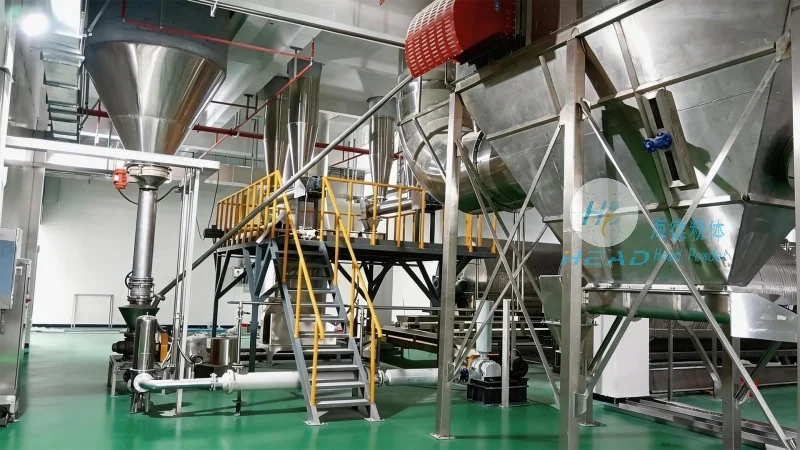
The core mechanism of a rice husk pneumatic conveying system relies on air flow to move the material through a pipeline network. The system operates on either pressure or vacuum principles. Pressure systems use compressed air to push the material, while vacuum systems employ suction to draw it. In a typical pressure system, rice husk is fed from a hopper equipped with a rotary valve or star feeder. The feeder controls material flow, and compressed air is introduced to create a high-pressure environment, forcing the husk into the pipeline. The air-material mixture travels at high velocity, maintaining particles in suspension to prevent blockages. At the receiving end, a cyclone separator or filter separates husk from air, allowing recirculation or release, and collecting the husk in a storage bin or processing unit.
Vacuum systems function by creating a low-pressure environment in the pipeline. The atmospheric pressure outside pushes rice husk into the hopper, where a vacuum pump draws it into the pipeline. The material is transported to the destination, and filtered air is returned to the system. Both types are engineered to handle rice husk's abrasive and lightweight properties, minimizing equipment wear.
Key Features of Rice Husk Pneumatic Conveying Systems
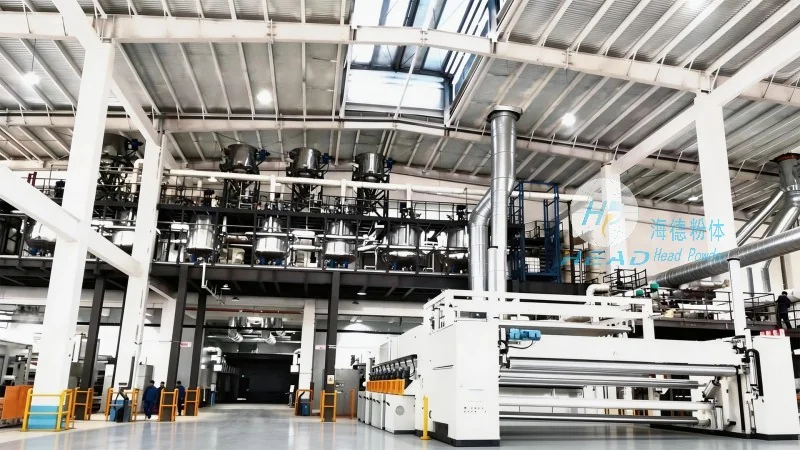
The effectiveness of these systems is defined by several critical features tailored to rice husk processing needs, enhancing performance and reliability.
1. High Efficiency and Low Maintenance
Pneumatic systems offer superior efficiency in bulk material transport compared to traditional methods like belt conveyors. They achieve high volume transport with minimal energy use, maintaining continuous operation. The design minimizes mechanical parts in direct contact with rice husk, reducing wear and lowering maintenance costs. Routine tasks like filter cleaning and pressure checks are straightforward, ensuring minimal downtime.
2. Dust Control and Environmental Friendliness
Rice husk generates significant dust during handling. Pneumatic systems incorporate advanced dust control, such as cyclone separators and filters, to capture and contain dust. This improves workplace safety and complies with environmental regulations. The closed system design reduces dust exposure and fire/explosion risks, especially important for combustible materials like rice husk.
3. Flexibility and Scalability
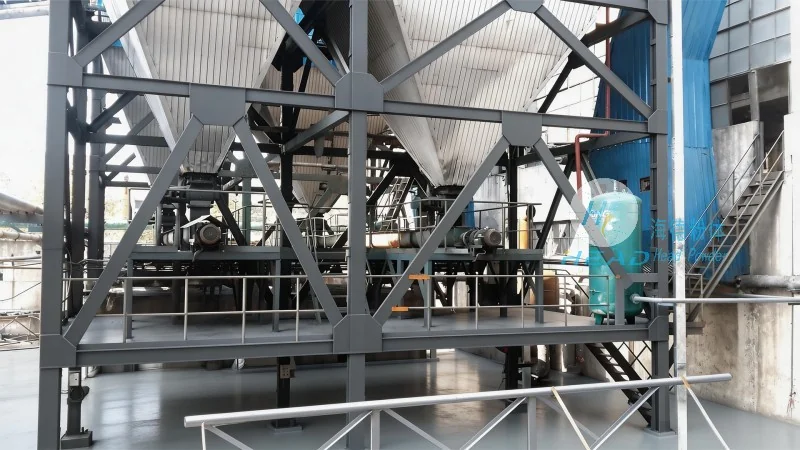
The modular design of pneumatic conveying systems allows easy adaptation to varying production needs. Components like hoppers, pipelines, and separators can be added or removed to scale operations. This makes the system suitable for both small and large-scale rice husk processing facilities. Integration with other equipment, such as grinding mills or pelletizers, forms a complete production line, boosting overall efficiency.
4. Hygienic and Sanitary Design
For food or animal feed applications, maintaining hygiene is essential. Systems feature smooth, easy-to-clean surfaces and minimal dead zones to prevent material accumulation and microbial growth. Stainless steel and food-grade materials enhance sanitary properties, ensuring rice husk remains clean and meets quality standards.
Company Overview: Shandong HeadPowder Engineering Co., Ltd.
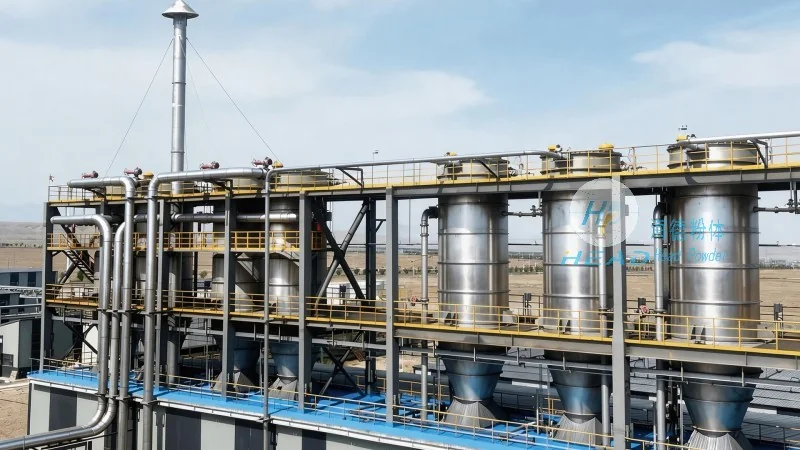
HeadPowder, a leading pneumatic conveying system manufacturer, specializes in customized solutions for agricultural and industrial sectors. With years of industry experience, HeadPowder has built a reputation for high-quality, reliable equipment tailored to client needs. The company’s headquarters is in Shandong, China, where it operates a state-of-the-art facility with advanced technology and skilled personnel.
HeadPowder’s commitment to innovation and customer satisfaction has made it a trusted partner for rice husk processing facilities globally. Products are designed for durability, efficiency, and ease of maintenance, helping clients maximize output while minimizing costs. Continuous R&D ensures products stay competitive and meet evolving market demands.
Conclusion
Rice husk pneumatic conveying systems are vital for efficient rice husk processing, offering advantages over traditional methods. Their air-flow-based operation ensures reliable material transport. Key features like high efficiency, dust control, flexibility, and hygienic design make them ideal for processing facilities. As a leading provider, Shandong HeadPowder Engineering Co., Ltd. continues to advance rice husk utilization with innovative, reliable solutions. Understanding these systems enables facilities to optimize operations and maximize the value of this valuable agricultural waste.