

Choosing Between Positive Pressure and Negative Pressure Pneumatic Conveying for Kaolin Powder: How
Pneumatic conveying is a critical technology for transporting kaolin powder, a widely used industrial mineral in applications such as ceramics, paper, and coatings. The choice between positive pressure and negative pressure systems is a fundamental decision for manufacturers, as it directly impacts operational efficiency, system reliability, and cost-effectiveness. This article explores the key differences between these two approaches, helping industry professionals make informed decisions tailored to their specific kaolin powder handling needs.
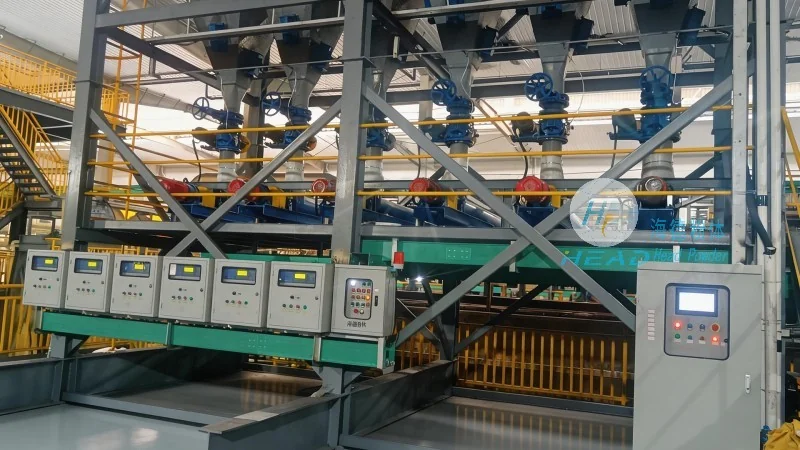
Understanding Positive Pressure vs. Negative Pressure Conveying
Positive pressure pneumatic conveying systems operate by blowing air or a carrier gas through a pipeline to move the powder. The pressure is maintained above atmospheric levels, ensuring the material is propelled forward. In contrast, negative pressure (or vacuum) systems create a partial vacuum in the pipeline, drawing the powder from the source into the system. Each method has distinct advantages and is suited to different operational scenarios.
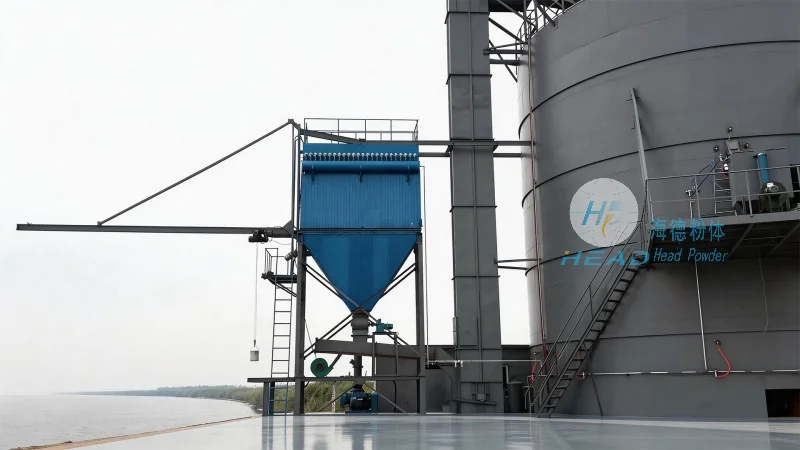
Key Differences Between Positive and Negative Pressure Systems
The primary distinction lies in the pressure differential and the direction of material movement. Positive pressure systems typically use higher pressure (often 1-10 bar) and are more suitable for long-distance or high-capacity conveying, as they can handle larger particles and resist blockages more effectively. Negative pressure systems, on the other hand, rely on lower vacuum levels (often 0.5-1 bar below atmospheric) and are ideal for short distances or when the source is located at a higher elevation than the destination. The design of the system, including the type of nozzles, filters, and cyclones, also differs significantly between the two approaches.
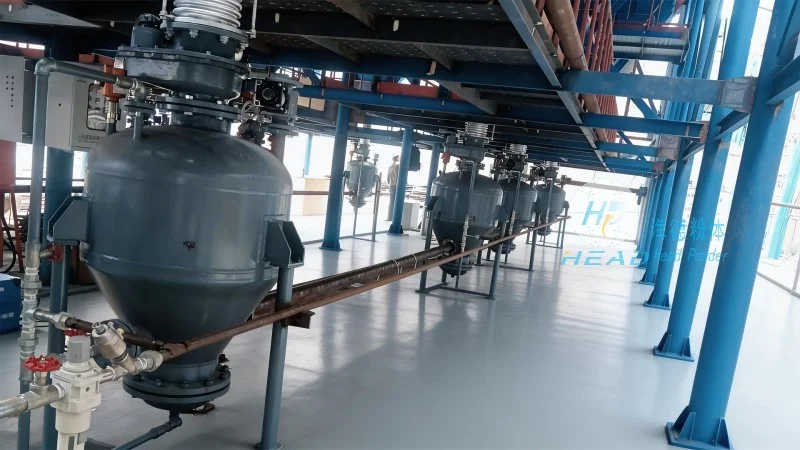
Factors Influencing the Choice of Conveying System
Several factors must be considered when selecting a pneumatic conveying system for kaolin powder. The distance between the source and destination is a major determinant; positive pressure is preferred for longer runs, while negative pressure is more efficient for shorter distances. The particle size and moisture content of the kaolin also play a role, as finer particles may require more energy to transport in a positive pressure system. Additionally, the need for containment and the presence of dust hazards influence the choice, as positive pressure systems may require more robust sealing to prevent leaks.
Practical Considerations for Kaolin Powder Handling
In practice, the choice between positive and negative pressure systems often depends on the specific process flow and operational constraints. For example, in a kaolin processing plant where the powder is moved from a silo to a mixing unit over a short distance, a negative pressure system might be more cost-effective due to lower energy consumption. Conversely, if the material needs to be transported over several hundred meters to a processing facility, a positive pressure system with higher pressure and larger ducts would be more appropriate. The system's maintenance requirements and the availability of space for equipment also need to be evaluated.
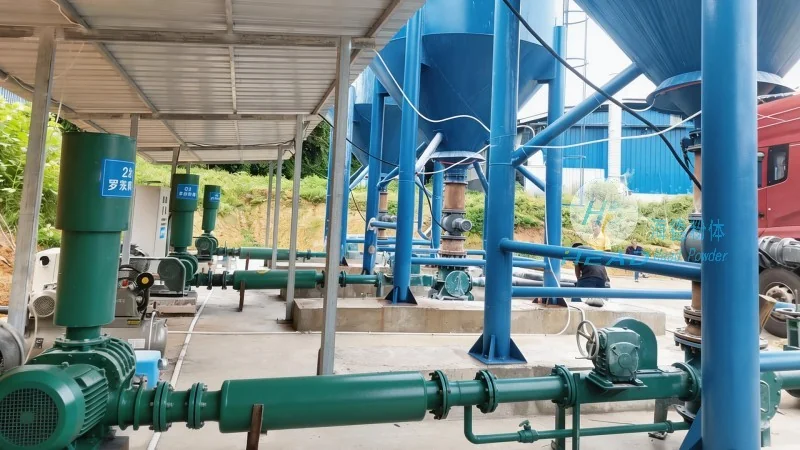
Conclusion
Selecting the right pneumatic conveying system for kaolin powder is a balance between operational efficiency, cost, and process requirements. Positive pressure systems offer greater control and are suitable for long-distance or high-capacity applications, while negative pressure systems are more energy-efficient for short distances and lower particle loads. By understanding the key differences and considering the specific characteristics of the kaolin powder and the plant layout, manufacturers can choose the most effective system to ensure reliable and cost-effective powder handling. Shandong HeadPowder Engineering Co., Ltd. specializes in designing and implementing tailored pneumatic conveying solutions for kaolin and other industrial powders, with a focus on optimizing performance and minimizing operational costs.