

Choosing Between Positive Pressure and Negative Pressure for Biomass Pellet Pneumatic Conveying: How
When it comes to transporting biomass pellets, selecting the right pneumatic conveying system is crucial for efficiency, cost-effectiveness, and operational safety. The two primary types of systems are positive pressure and negative pressure. Understanding the differences between these two approaches is essential for making an informed decision that aligns with your specific application requirements.
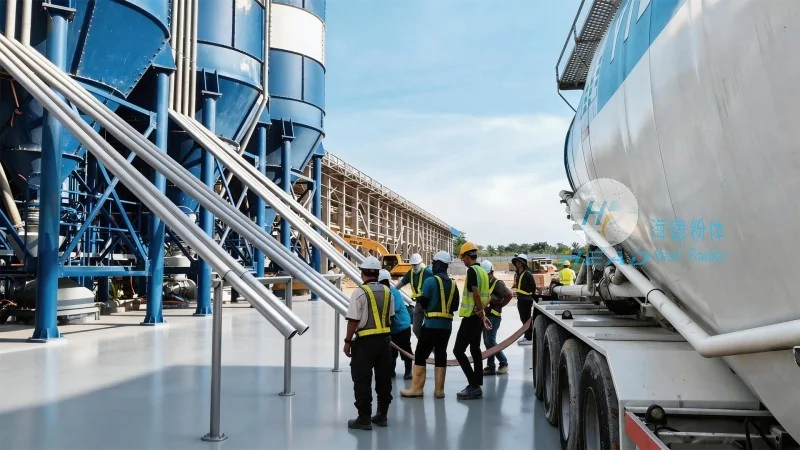
Biomass pellets, often used as a renewable energy source or in industrial processes, present unique challenges during transportation due to their size, density, and moisture content. The choice between positive and negative pressure systems depends on factors such as the distance of transport, the volume of material, the need for dust control, and the overall system complexity. Let's explore the key characteristics of each system to help you decide which one is best suited for your biomass pellet handling needs.
Positive Pressure Pneumatic Conveying Systems
Positive pressure systems operate by blowing air or gas into the conveying line, creating a pressure higher than the ambient air pressure. This method is commonly used for short to medium-distance transport and is particularly effective for handling abrasive or corrosive materials. In the context of biomass pellets, positive pressure systems can be advantageous for applications where the material needs to be transported over distances of up to several hundred meters. The high pressure ensures that the pellets are propelled through the system without clogging, making it suitable for high-volume operations.
One of the key advantages of positive pressure systems is their ability to handle a wide range of material characteristics. They can effectively transport pellets with varying moisture levels and particle sizes, which is common in biomass processing. Additionally, these systems are generally more energy-efficient for shorter distances, as the pressure is maintained consistently throughout the line. However, they may require more robust equipment and higher maintenance due to the continuous air flow and higher pressure levels.
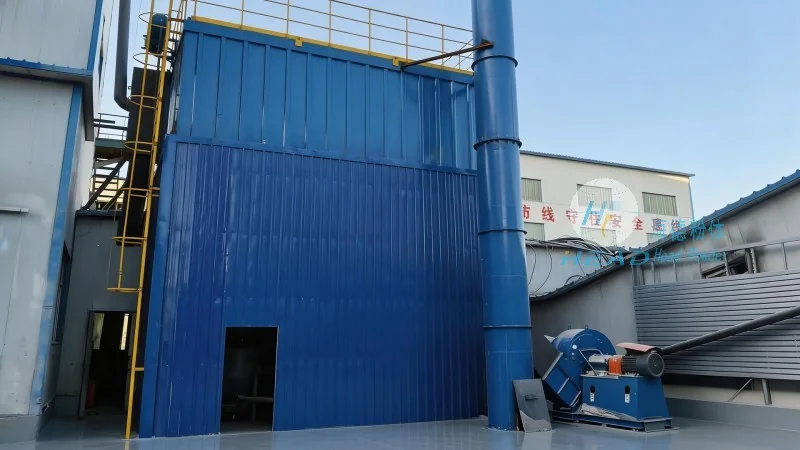
Negative Pressure Pneumatic Conveying Systems
Negative pressure systems, also known as vacuum systems, work by creating a vacuum in the conveying line, drawing material into the system from the source. This approach is typically used for longer distances or when the material needs to be transported from a higher elevation to a lower one. For biomass pellet applications, negative pressure systems are often preferred for transporting pellets over distances exceeding several hundred meters or when the material needs to be moved from a silo or storage bin to a processing unit at a lower level.
A major benefit of negative pressure systems is their ability to minimize dust emissions and provide better environmental control. The vacuum draws the material into the system, reducing the risk of dust being released into the environment. This is particularly important for biomass pellets, which can be dusty and may require strict dust control measures. However, negative pressure systems may be less efficient for high-volume, short-distance transport and can experience more clogging issues if the material contains large particles or high moisture content.
Distinguishing Between the Two Systems
So, how can you tell which system is right for your biomass pellet conveying needs? The primary factors to consider are the distance of transport, the volume of material, and the environmental requirements. For short distances and high-volume transport, positive pressure systems are often the better choice due to their efficiency and ability to handle abrasive materials. For longer distances or when dust control is a critical concern, negative pressure systems may be more suitable.
Another important consideration is the system's impact on the material's quality. Positive pressure systems can sometimes cause more wear and tear on the pellets due to the high-pressure air flow, potentially affecting their final use. Negative pressure systems, on the other hand, are gentler on the material, preserving its integrity better. This is especially relevant for biomass pellets intended for energy production, where the pellet's density and shape are crucial for efficient combustion.
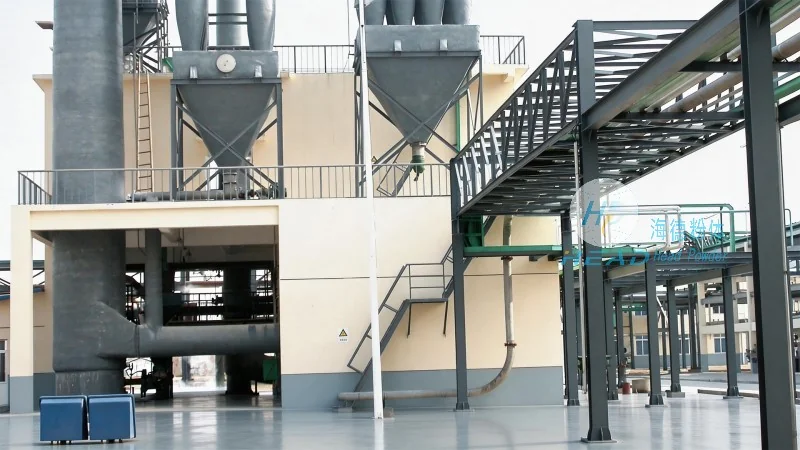
HeadPowder's Expertise in Biomass Pellet Pneumatic Conveying
At Shandong HeadPowder Engineering Co., Ltd., we understand the unique challenges of biomass pellet transportation and offer tailored solutions that address the specific needs of our clients. Our team of experts has extensive experience in designing and implementing both positive and negative pressure pneumatic conveying systems for biomass applications. We work closely with clients to assess their operational requirements, material characteristics, and environmental constraints to recommend the most appropriate system configuration.
Our solutions are designed to maximize efficiency while minimizing operational costs and environmental impact. We use high-quality materials and advanced technology to ensure that our systems are durable, reliable, and easy to maintain. Whether you need a positive pressure system for short-distance transport or a negative pressure system for longer distances with strict dust control, HeadPowder can provide the expertise and equipment to meet your needs.
With our headquarters in Shandong, China, HeadPowder is committed to delivering innovative and effective solutions for biomass pellet pneumatic conveying. We are dedicated to helping our clients optimize their operations and achieve their sustainability goals through efficient material handling. By choosing HeadPowder, you can be confident that you are working with a trusted partner who understands the nuances of biomass processing and the importance of selecting the right pneumatic conveying system.