

Choosing Positive Pressure or Negative Pressure for Beer Brewery Sludge Pneumatic Conveying? How to
When it comes to handling beer brewery sludge through pneumatic conveying systems, the choice between positive pressure and negative pressure methods is a critical decision that impacts operational efficiency, equipment lifespan, and overall process reliability. For facilities dealing with the byproducts of beer production, such as spent grain and other solid residues, selecting the right type of pneumatic conveying system is essential to ensure smooth material transport while minimizing maintenance and energy costs. This article will explore the key differences between positive pressure and negative pressure systems, providing insights into how to make an informed choice for your specific brewery sludge handling needs.
Understanding Positive Pressure Pneumatic Conveying
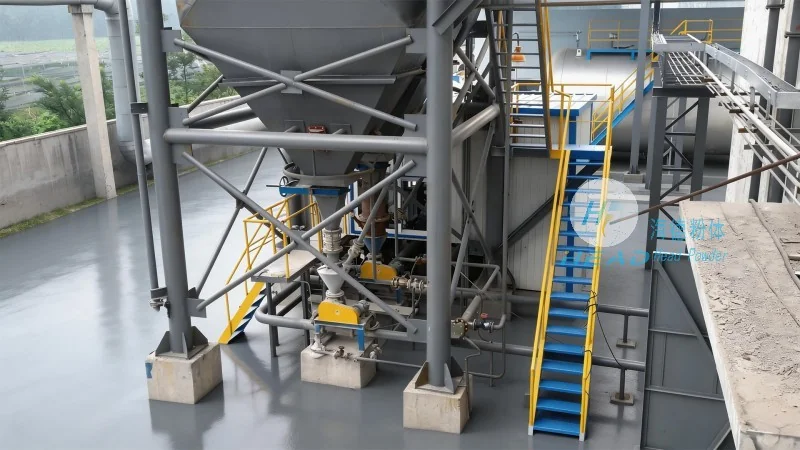
Positive pressure pneumatic conveying systems operate by blowing air or a gas mixture into the conveying line, creating a pressure higher than the ambient air pressure. This method pushes the material through the pipeline, making it suitable for transporting materials over longer distances and through complex system layouts. In the context of beer brewery sludge, positive pressure systems are often preferred for applications where the material needs to be transported from a central processing area to multiple storage or treatment locations. The high-pressure environment also helps in maintaining the integrity of the sludge, reducing the risk of clogging and ensuring consistent flow rates.
Key Advantages of Positive Pressure Systems
One of the primary benefits of positive pressure systems is their ability to handle a wide range of material characteristics, including abrasive and sticky sludges commonly found in beer production. The high pressure ensures that the material is fully suspended in the air stream, preventing blockages and reducing the need for frequent system cleaning. Additionally, positive pressure systems are generally more energy-efficient for longer conveying distances, as the pressure can be maintained consistently along the entire pipeline. This makes them ideal for breweries that require extensive sludge transport networks, such as large-scale industrial facilities.
Considerations for Positive Pressure Systems
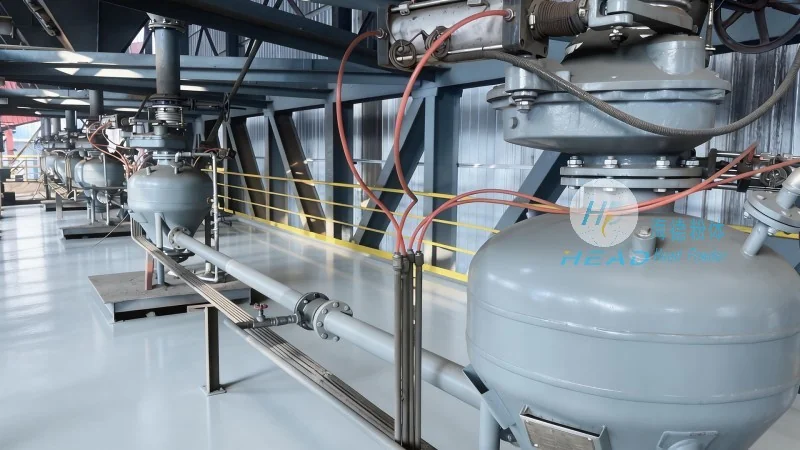
Despite their advantages, positive pressure systems have some limitations that may affect their suitability for certain brewery applications. For instance, they require robust equipment capable of withstanding high pressures, which can increase initial investment costs. Moreover, the high-pressure air can lead to higher noise levels and potential safety concerns if not properly managed. Another consideration is the need for proper filtration and air treatment to prevent dust and particulate matter from contaminating the system and the surrounding environment. These factors should be carefully evaluated when deciding whether a positive pressure system is the right choice for your beer brewery sludge handling needs.
Exploring Negative Pressure Pneumatic Conveying
Negative pressure pneumatic conveying, also known as vacuum or suction systems, operates by creating a vacuum in the conveying line, drawing the material into the system using the pressure difference between the intake and the discharge. This method is typically used for shorter conveying distances and for materials that are less abrasive or require gentler handling. In the context of beer brewery sludge, negative pressure systems are often employed when the sludge needs to be collected from multiple points and transported to a central processing unit. The vacuum effect helps in maintaining the material's moisture content and prevents excessive drying, which can be beneficial for certain treatment processes.
Advantages of Negative Pressure Systems
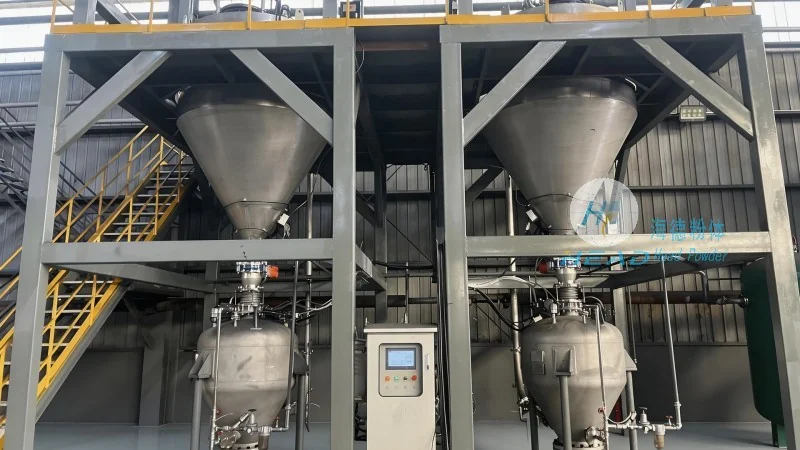
One of the main advantages of negative pressure systems is their lower initial cost compared to positive pressure systems, as they require less robust equipment and can be installed with simpler piping configurations. The vacuum operation also results in lower noise levels and reduced energy consumption for shorter distances. Additionally, negative pressure systems are more suitable for handling fine or powdery sludges that might be prone to clogging in high-pressure systems. This makes them an attractive option for breweries that deal with lighter, more delicate byproducts or for applications where space constraints limit the use of larger equipment.
Limitations of Negative Pressure Systems
However, negative pressure systems have their own set of challenges that may limit their effectiveness for certain beer brewery sludge applications. The primary drawback is their limited conveying distance, as the vacuum pressure drops significantly over longer pipelines, potentially leading to reduced material flow rates or complete system failure. This makes them less suitable for transporting sludge over distances exceeding a few hundred meters. Another limitation is the higher risk of clogging and blockages, especially with sticky or high-moisture sludges, which can require more frequent maintenance and cleaning. Furthermore, the vacuum operation may not be as effective in handling abrasive materials, as the low pressure can lead to increased wear on the system components over time.
Distinguishing Between Positive and Negative Pressure Systems
When deciding between positive and negative pressure pneumatic conveying for beer brewery sludge, several key factors should be considered to ensure the optimal choice. The first factor is the conveying distance: if the sludge needs to be transported over long distances or through complex system layouts, a positive pressure system is generally more suitable due to its ability to maintain pressure and flow rates. Conversely, for shorter distances and simpler layouts, a negative pressure system may suffice. The second factor is the material characteristics: abrasive, sticky, or high-moisture sludges are better suited for positive pressure systems, as they can handle the higher pressure and maintain material integrity. Fine or powdery sludges, on the other hand, may perform better in negative pressure systems due to the gentler handling and lower risk of clogging. The third factor is the system layout and space constraints: positive pressure systems require more robust equipment and may need additional space for air compressors and filtration, while negative pressure systems are more compact and easier to install in confined areas. Finally, the operational cost and maintenance requirements should be evaluated: positive pressure systems may have higher initial costs and maintenance needs due to the high-pressure components, whereas negative pressure systems may have lower upfront costs but higher long-term maintenance due to the vacuum components.
Case Study: Application of Positive Pressure System by HeadPowder in a Large Brewery
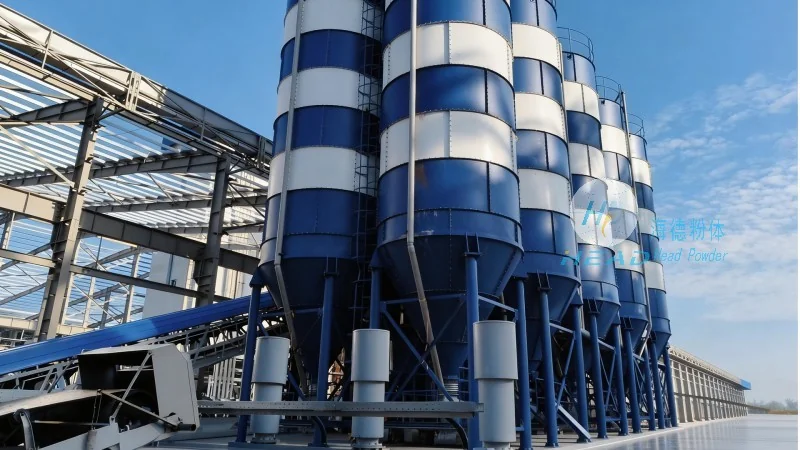
Shandong HeadPowder Engineering Co., Ltd., a leading provider of pneumatic conveying solutions, recently completed a project for a major beer brewery in China. The brewery required a system to transport spent grain and other sludges from the fermentation tanks to a central treatment facility over a distance of 500 meters. After evaluating the material characteristics and system requirements, the company recommended a positive pressure pneumatic conveying system. The system was designed with high-pressure air compressors and robust pipelines to handle the abrasive and sticky sludges, ensuring consistent flow rates and minimal clogging. The implementation of the positive pressure system resulted in a significant improvement in operational efficiency, with reduced downtime and maintenance costs compared to the previous manual handling methods. The brewery reported that the system met all their conveying needs, providing a reliable and cost-effective solution for their sludge management.
Conclusion and Recommendations
Choosing between positive pressure and negative pressure pneumatic conveying for beer brewery sludge handling requires a thorough analysis of the specific operational requirements, material characteristics, and system constraints. Positive pressure systems offer superior performance for longer distances and abrasive materials, while negative pressure systems are more suitable for shorter distances and delicate sludges. By carefully evaluating these factors and considering the long-term operational costs, breweries can select the most appropriate pneumatic conveying system to ensure efficient sludge transport and overall process optimization. For expert guidance and customized solutions, Shandong HeadPowder Engineering Co., Ltd. provides comprehensive support to help breweries make informed decisions and implement effective sludge handling systems.