

Choosing Between Positive Pressure and Negative Pressure for Cement Additive Pneumatic Conveying: Ho
When it comes to transporting cement additives via pneumatic systems, the choice between positive pressure and negative pressure conveying is a critical decision that impacts efficiency, cost, and operational safety. Understanding the fundamental differences between these two methods is essential for selecting the most suitable solution for specific industrial applications.
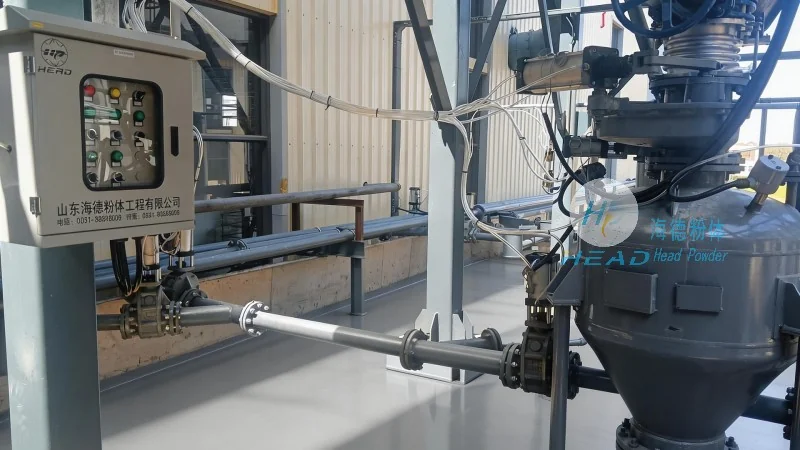
Overview of Pneumatic Conveying Systems
Pneumatic conveying is a widely used technique for transporting bulk materials like cement additives, minerals, and powders over short to medium distances. It involves the use of air or gas to move material through a pipeline system. The primary distinction lies in the pressure differential maintained within the system: positive pressure systems operate with air pressure higher than ambient, while negative pressure systems operate with a lower pressure than ambient.
Positive Pressure Conveying: Characteristics and Applications
Positive pressure conveying, also known as pressure pneumatic conveying, uses a blower or compressor to generate air pressure that pushes material through the pipeline. This method is particularly effective for transporting materials over longer distances or through complex system layouts. The high pressure ensures consistent material flow and can handle abrasive or sticky materials without excessive wear on equipment. In the context of cement additives, positive pressure systems are often preferred for applications requiring high throughput and reliability, such as transporting clinker, gypsum, or other additives from storage silos to production lines.
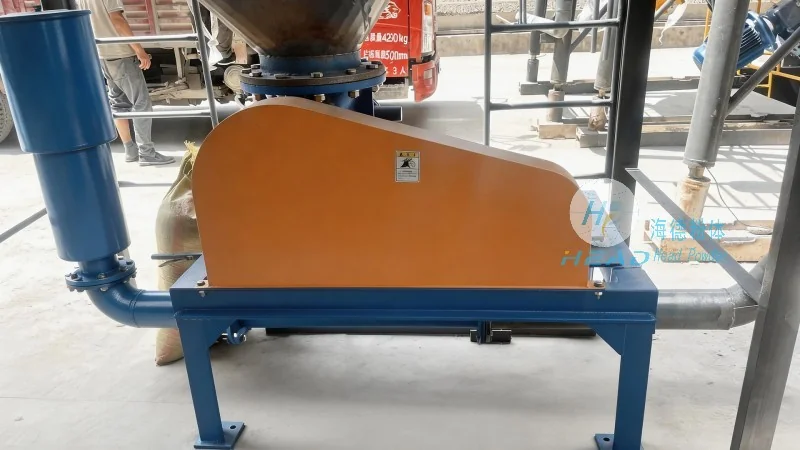
Negative Pressure Conveying: Characteristics and Applications
Negative pressure conveying, or vacuum pneumatic conveying, employs a vacuum pump to create a pressure differential that draws material into the system. This approach is typically used for shorter distances and simpler system configurations. It is well-suited for handling fine powders and materials that are prone to dust generation, as the vacuum helps to contain and control airborne particles. Negative pressure systems are commonly used in applications where material is transferred from a lower elevation to a higher one, or where the system is integrated into existing facilities with limited space constraints.
Distinguishing Between Positive and Negative Pressure Systems
Several key factors can help in differentiating between positive and negative pressure conveying systems:
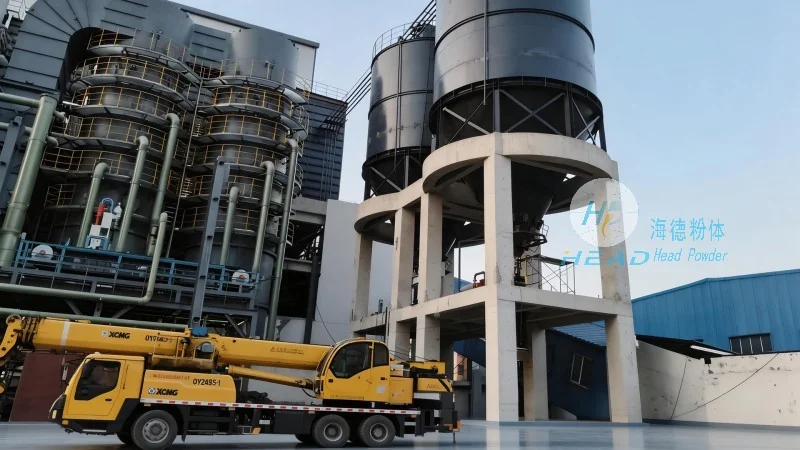
- Pressure Differentiation: Positive pressure systems maintain air pressure above ambient, while negative pressure systems operate below ambient pressure. This fundamental difference dictates the direction of material flow and the type of equipment required.
- System Complexity and Cost: Positive pressure systems generally involve higher initial costs due to the need for robust blowers and higher air pressure components. However, they offer greater flexibility in system design and can handle more demanding material characteristics. Negative pressure systems are often less expensive to install but may have limitations in terms of distance and material handling capacity.
- Material Handling Capabilities: Positive pressure systems excel in handling abrasive, sticky, or high-volume materials, making them ideal for bulk cement additive transport. Negative pressure systems are better suited for fine powders and materials that require dust control, as the vacuum helps to minimize particle dispersion.
- Environmental Considerations: Negative pressure systems are often preferred in environments where dust control is critical, as the vacuum helps to contain particles within the system. Positive pressure systems may require additional filtration and exhaust systems to manage airborne particles.
Practical Considerations for Selection
When deciding between positive and negative pressure conveying for cement additives, several practical factors should be evaluated:
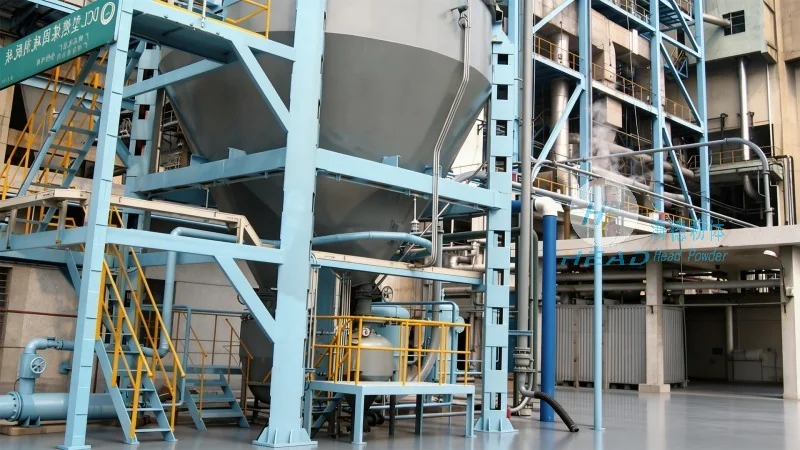
- Transport Distance: Longer distances typically favor positive pressure systems due to their ability to maintain consistent pressure over extended pipelines.
- Material Properties: The physical characteristics of the cement additive, such as particle size, moisture content, and abrasiveness, will influence the choice. For example, high-abrasion materials may require the durability of positive pressure systems.
- System Integration: The existing infrastructure and layout of the facility can impact the selection. Negative pressure systems may be more suitable for retrofitting into existing plants with limited space.
- Operational Efficiency: Positive pressure systems often provide higher throughput and lower maintenance costs in high-volume applications, while negative pressure systems may offer lower energy consumption for shorter runs.
Conclusion
Choosing between positive and negative pressure pneumatic conveying for cement additives requires a thorough analysis of system requirements, material characteristics, and operational constraints. Positive pressure systems offer robustness and flexibility for high-volume transport, while negative pressure systems excel in dust control and shorter-distance applications. By carefully evaluating the factors outlined above, industrial facilities can select the most appropriate conveying method to ensure efficient, reliable, and cost-effective material handling.
Shandong HeadPowder Engineering Co., Ltd., a leading provider of pneumatic conveying solutions, specializes in designing and manufacturing customized systems tailored to the specific needs of cement and mineral processing industries. With years of experience in the field, HeadPowder offers expert guidance and high-quality equipment to optimize material transport processes. The company's commitment to innovation and customer satisfaction ensures that clients receive tailored solutions that enhance operational efficiency and reduce costs.