

Choosing Positive Pressure or Negative Pressure for Lithium-Ion Material Pneumatic Conveying? How to
Pneumatic conveying is a critical technology in the processing and handling of lithium-ion materials, which are essential components in modern battery production. As the demand for electric vehicles and renewable energy storage solutions grows, efficient material handling systems become increasingly important. This article explores the two primary types of pneumatic conveying systems—positive pressure and negative pressure—and provides guidance on how to choose the appropriate system for lithium-ion material applications.
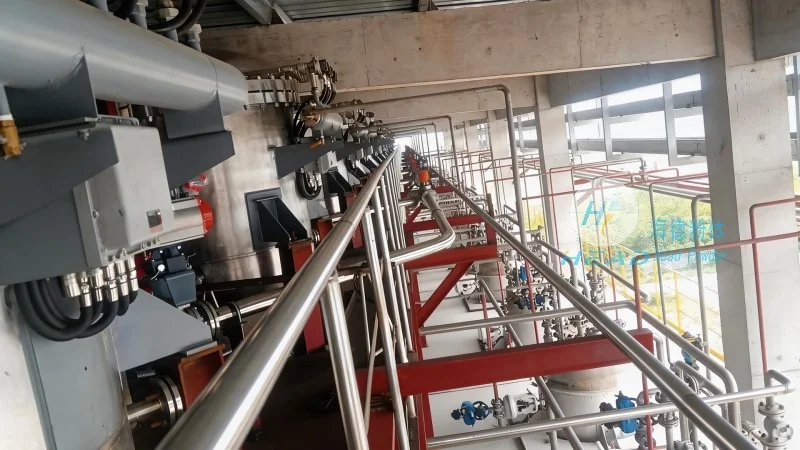
Understanding Positive Pressure and Negative Pressure Conveying
Positive pressure conveying systems operate by blowing air or gas into the material stream, creating a pressure higher than the ambient air pressure. This method pushes the material through the conveying line, making it suitable for long-distance and high-capacity applications. In contrast, negative pressure conveying systems draw material into the system by creating a vacuum or lower pressure than the surrounding environment, pulling the material through the line. Each system has its own advantages and is best suited for specific material characteristics and operational requirements.
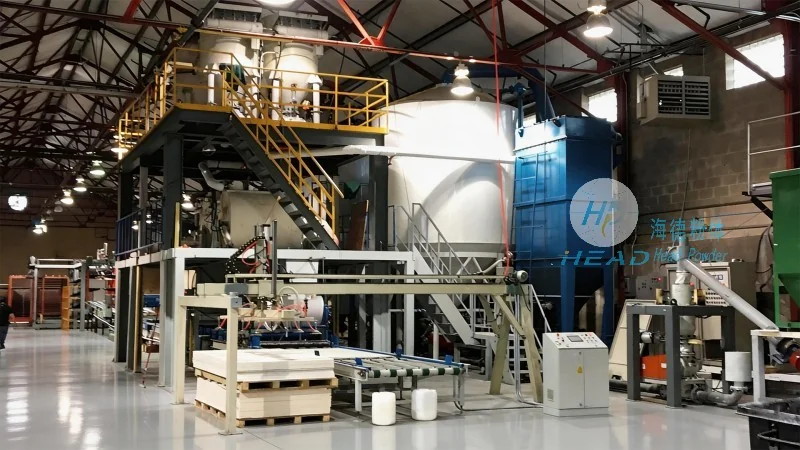
Key Differences Between Positive and Negative Pressure Systems
Several factors differentiate positive and negative pressure systems. Positive pressure systems are generally more robust and can handle abrasive or sticky materials better due to the higher pressure and turbulence. They are also easier to maintain as there are fewer moving parts in the material path. Negative pressure systems, on the other hand, are more energy-efficient for short distances and can handle fine powders without causing excessive wear. The choice between the two depends on the material's particle size, density, and flow properties, as well as the required conveying distance and system complexity.
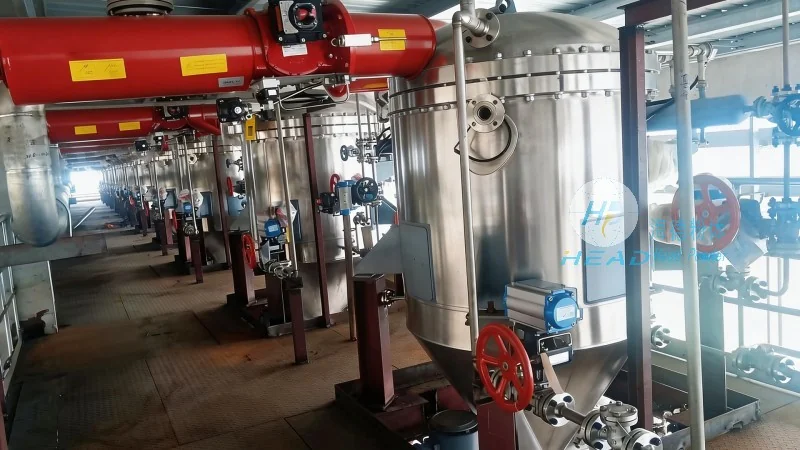
Factors to Consider When Choosing a Conveying System for Lithium-Ion Materials
When selecting a pneumatic conveying system for lithium-ion materials, several key factors must be evaluated. The first consideration is the material's physical properties, such as particle size, moisture content, and chemical reactivity. For example, fine lithium powder may require a negative pressure system to prevent dust dispersion, while larger, more abrasive particles might benefit from a positive pressure system. The conveying distance is another critical factor; positive pressure systems are preferred for longer distances due to their ability to maintain pressure over longer lengths. Additionally, the system's footprint and integration with existing production lines are important, as both positive and negative pressure systems can be designed to fit various facility layouts. Cost is also a significant factor, as positive pressure systems often require more powerful blowers and higher maintenance, while negative pressure systems may need more robust filtration to prevent air contamination.
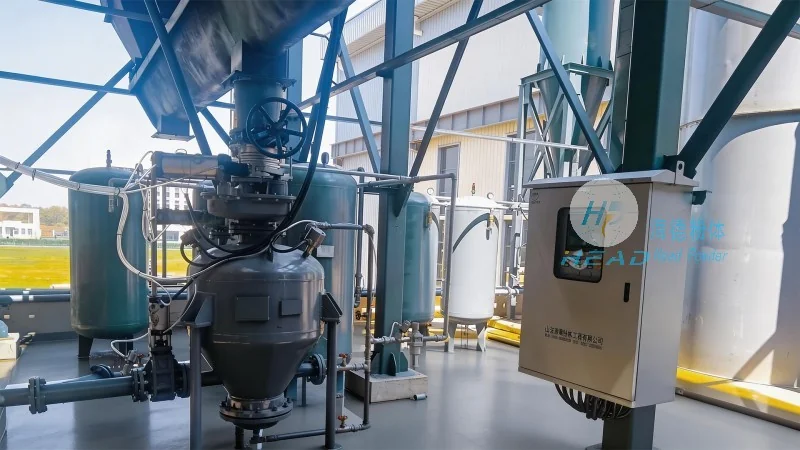
Conclusion and Company Information
Choosing the right pneumatic conveying system for lithium-ion materials is essential for optimizing production efficiency and ensuring material integrity. By understanding the differences between positive and negative pressure systems and evaluating factors such as material properties, conveying distance, and operational requirements, manufacturers can select the most suitable system. Shandong HeadPowder Engineering Co., Ltd., a leading provider of pneumatic conveying solutions, offers customized systems tailored to the specific needs of lithium-ion material processing. With years of experience in the industry, HeadPowder provides reliable and efficient solutions that enhance productivity and safety in material handling operations. Located in Shandong, China, HeadPowder serves clients globally, delivering high-quality equipment and expert guidance to support the growing demand for lithium-ion battery materials.