

Sodium Hypochlorite Pneumatic Conveying: Positive Pressure vs. Negative Pressure - How to Differenti
When it comes to transporting sodium hypochlorite, a key decision for industrial operations is choosing between positive pressure and negative pressure pneumatic conveying systems. This choice significantly impacts system efficiency, safety, and operational costs. Understanding the distinctions between these two methods is crucial for selecting the most suitable solution for your specific application. This article explores the characteristics of both positive and negative pressure systems, outlines the factors to consider when making a choice, and provides insights into how to differentiate between them effectively.
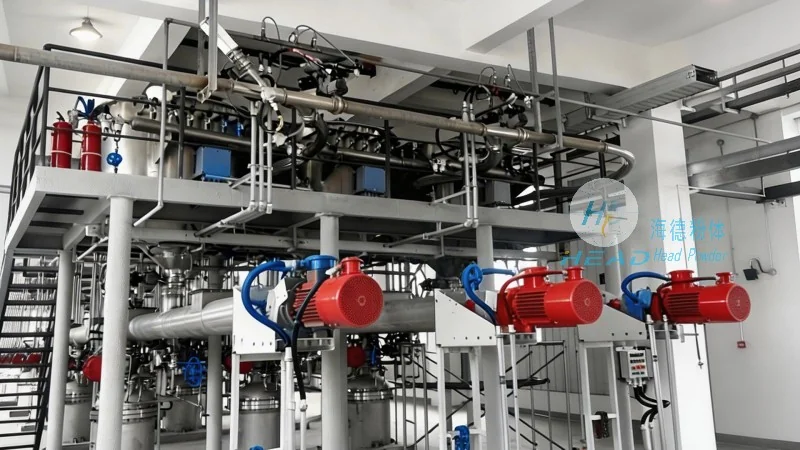
Introduction to Sodium Hypochlorite Pneumatic Conveying
Sodium hypochlorite (NaOCl), commonly known as bleach, is widely used in water treatment, disinfection, and various industrial processes. Pneumatic conveying offers a reliable method for transporting this corrosive and potentially hazardous liquid or slurry from storage to processing units. The two primary approaches to pneumatic conveying are positive pressure and negative pressure systems, each with its own set of advantages and limitations.
Positive Pressure Pneumatic Conveying Systems
Positive pressure systems operate by blowing air or gas into the conveying line, creating a pressure higher than the ambient air pressure. This method is often preferred for applications requiring high material throughput and long-distance transport. The system typically includes a blower or compressor at the material source, which forces air through the pipeline, carrying the sodium hypochlorite particles forward.
Key features of positive pressure systems include:
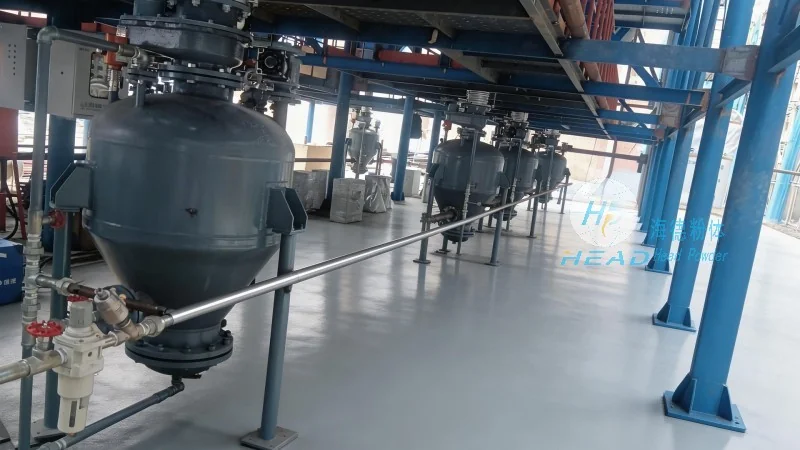
- Ability to transport materials over longer distances and at higher capacities.
- Reduced risk of external contamination entering the system.
- More straightforward system design, as the entire pipeline is under positive pressure.
However, positive pressure systems may pose higher safety risks due to the presence of pressurized air and the potential for material leakage if seals fail. They also require more robust equipment to handle the higher pressures involved.
Negative Pressure Pneumatic Conveying Systems
Negative pressure systems, on the other hand, operate by creating a vacuum or lower pressure within the conveying line compared to the ambient air. This draws the sodium hypochlorite material into the system, typically using a vacuum pump or fan at the receiving end. This approach is often used for shorter distances and when the material is sensitive to high pressure or when the system needs to be isolated from the environment.
Advantages of negative pressure systems include:
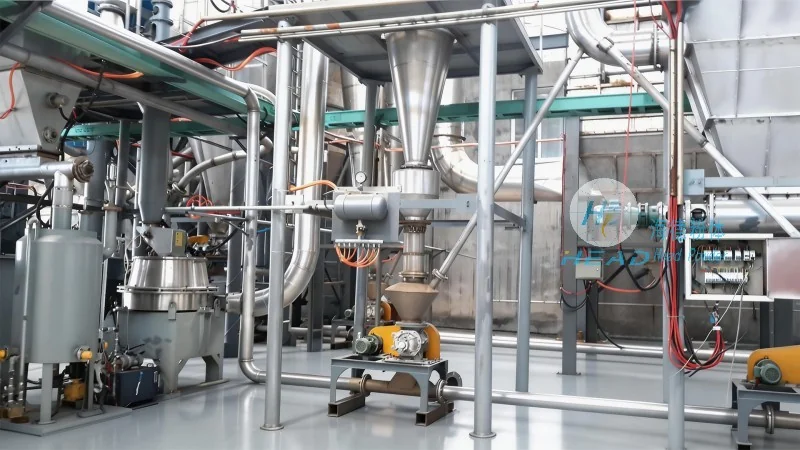
- Lower risk of material escaping into the environment, enhancing safety.
- Reduced equipment wear and tear compared to positive pressure systems.
- More suitable for handling fine powders or materials that are prone to dusting.
Nevertheless, negative pressure systems have limitations, such as lower material throughput, potential for air leakage into the system, and the need for careful maintenance to prevent contamination.
How to Differentiate Between Positive and Negative Pressure Conveying
Distinguishing between positive and negative pressure systems involves evaluating several key factors related to the application requirements and operational environment. Here are the main criteria to consider:
- Transport Distance and Capacity: Positive pressure is generally preferred for long-distance or high-capacity transport, while negative pressure is more suitable for shorter distances or lower capacities.
- Material Characteristics: The physical properties of the sodium hypochlorite, such as particle size, moisture content, and corrosiveness, influence the choice. For example, fine powders may be better suited to negative pressure to avoid dusting, whereas bulkier materials may benefit from positive pressure.
- Environmental and Safety Considerations: If the operation requires strict containment and minimal environmental impact, negative pressure systems may be more appropriate due to their sealed design. Positive pressure systems, while efficient, may need additional safety measures to prevent leaks.
- System Complexity and Maintenance: Positive pressure systems often have simpler designs and lower maintenance needs for the conveying line itself, whereas negative pressure systems may require more frequent checks for air leaks and vacuum pump maintenance.
Additionally, the choice may be influenced by the existing infrastructure and the need to integrate the system with other plant processes. For instance, if the plant already has a positive pressure air system, it might be more cost-effective to use a positive pressure conveying method.
HeadPowder Engineering Co., Ltd. - Customized Solutions for Sodium Hypochlorite Conveying
Shandong HeadPowder Engineering Co., Ltd., operating under the brand name HeadPowder, specializes in designing and manufacturing customized pneumatic conveying systems tailored to the unique needs of sodium hypochlorite applications. With a focus on both positive and negative pressure technologies, HeadPowder offers solutions that balance efficiency, safety, and cost-effectiveness.
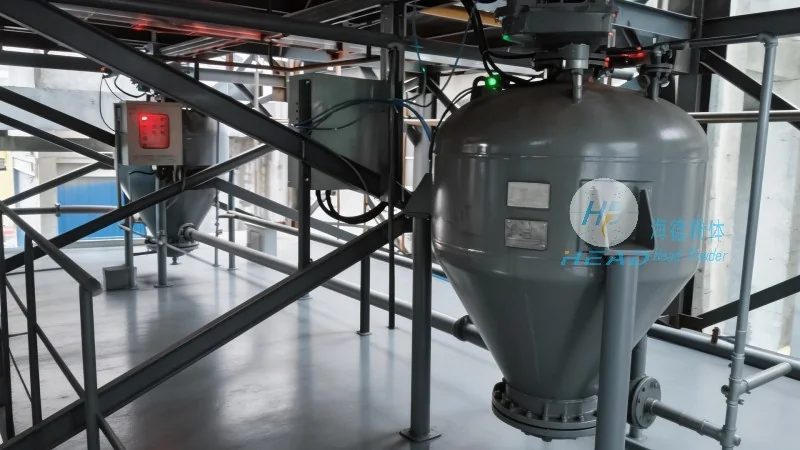
Our team of engineers evaluates each project based on the specific transport requirements, material characteristics, and operational constraints. By analyzing factors such as distance, capacity, and environmental regulations, we recommend the most appropriate conveying method—whether positive or negative pressure—and design the system accordingly.
HeadPowder's systems are engineered to ensure reliable and safe transport of sodium hypochlorite, minimizing the risk of spills, contamination, and equipment damage. We incorporate advanced materials and components that resist corrosion and wear, ensuring long-term performance and low maintenance costs.
Located in Shandong, China, HeadPowder leverages its local expertise and manufacturing capabilities to deliver high-quality, cost-effective solutions to clients worldwide. Our commitment to innovation and customer satisfaction ensures that each project is completed to meet the highest industry standards.