

Silica Powder Pneumatic Conveying: Choosing Positive Pressure or Negative Pressure? How to Different
When it comes to transporting silica powder, the choice between positive pressure and negative pressure pneumatic conveying systems is a critical decision that impacts operational efficiency, cost-effectiveness, and system reliability. Understanding the fundamental differences between these two methods is essential for selecting the most suitable solution for specific applications. This article aims to provide a comprehensive overview of the key factors influencing the choice between positive and negative pressure systems, helping professionals in the industry make informed decisions.
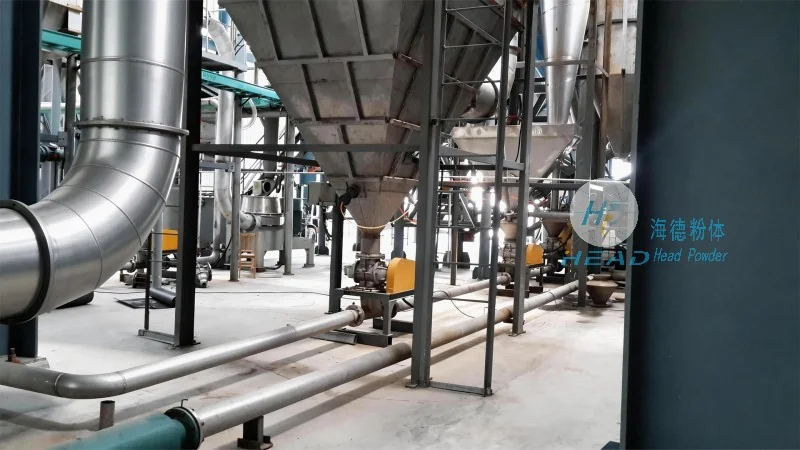
Positive Pressure Pneumatic Conveying Systems
Positive pressure systems operate by blowing air or gas into the conveying line, creating a pressure higher than the ambient air pressure. This method is particularly effective for transporting high-concentration materials over long distances. The primary advantage of positive pressure systems is their ability to handle a wide range of particle sizes and densities, making them suitable for bulk material handling in industries such as mining, chemicals, and food processing. The high pressure ensures that the material is continuously pushed through the pipeline, reducing the risk of blockages and improving overall system performance. However, these systems require robust equipment, including high-pressure blowers and durable pipelines, which can increase initial investment costs. Additionally, positive pressure systems may generate more noise and require proper ventilation to manage air emissions.
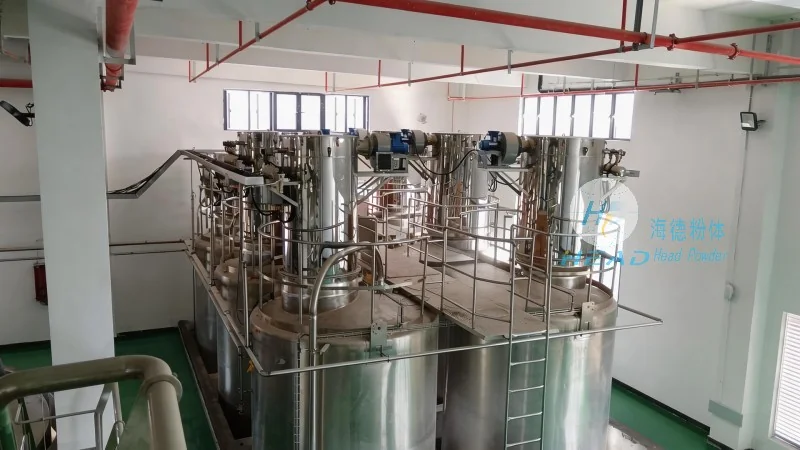
Negative Pressure Pneumatic Conveying Systems
Negative pressure systems, also known as vacuum conveying, work by creating a vacuum in the conveying line, drawing material from the source into the system. This method is ideal for low-concentration materials and short to medium-distance transport. The main benefit of negative pressure systems is their lower operational noise and reduced air emissions, as the system draws air rather than expelling it. They are commonly used in applications where material is sensitive to air exposure or where environmental regulations are stringent. Negative pressure systems are also more energy-efficient for short distances, as they require less power to maintain the vacuum compared to the high pressure needed in positive systems. However, they may struggle with high-concentration or abrasive materials, as the vacuum can lead to material degradation or pipeline wear. The system design also needs to account for the risk of dust explosions in certain environments, necessitating proper explosion-proof measures.
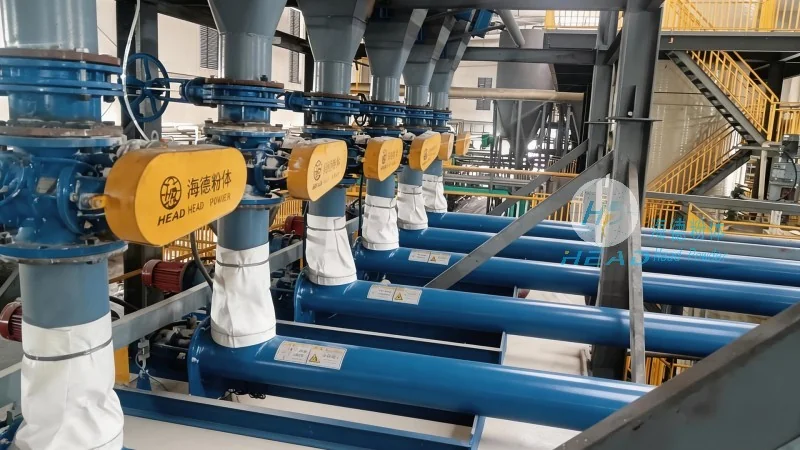
Key Factors to Distinguish Between Positive and Negative Pressure Systems
Choosing between positive and negative pressure pneumatic conveying systems depends on several key factors, including the material properties, transport distance, system layout, and operational requirements. Material properties such as particle size, density, and moisture content play a significant role. For example, fine, dry silica powders with high bulk density are better suited for positive pressure systems due to their ability to handle high concentrations. Conversely, delicate or moisture-sensitive materials may benefit from negative pressure systems to minimize exposure to air. Transport distance is another critical factor; positive pressure systems are preferred for long-distance applications (typically over 100 meters) where maintaining pressure is feasible, while negative pressure systems are more practical for shorter distances (up to 50 meters) where vacuum maintenance is easier. System layout and available space also influence the choice. Positive pressure systems may require more space for the blower and pipeline routing, whereas negative pressure systems can be more compact, especially in confined areas. Operational requirements, such as the need for dust control or explosion protection, further guide the selection. For instance, in industries with strict environmental regulations, negative pressure systems may be preferred to reduce air pollution, while positive pressure systems might be chosen for high-volume production lines where efficiency is paramount.
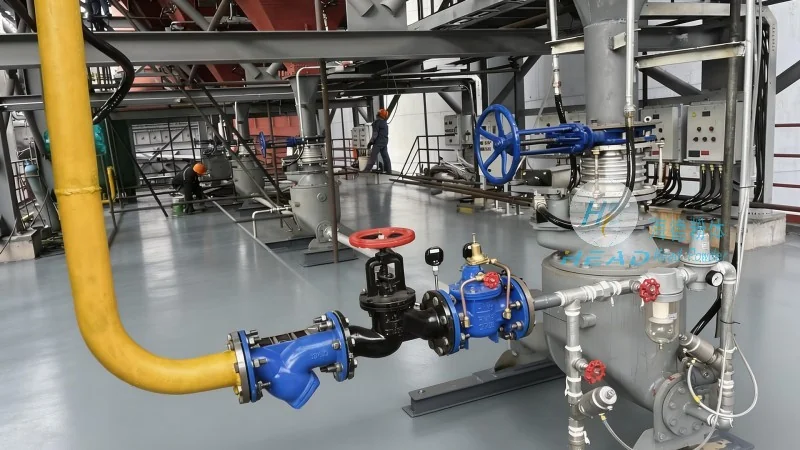
About Shandong HeadPowder Engineering Co., Ltd.
Shandong HeadPowder Engineering Co., Ltd., commonly known as HeadPowder, is a leading provider of pneumatic conveying solutions specializing in silica powder handling. With a strong presence in China, particularly in Shandong, the company has extensive experience in designing, manufacturing, and installing customized conveying systems tailored to the unique needs of various industries. HeadPowder's expertise lies in understanding the nuances of different material characteristics and operational environments, enabling them to recommend the most appropriate positive or negative pressure system for each project. The company's commitment to quality and innovation ensures that clients receive reliable, efficient, and cost-effective solutions that enhance their production processes. By leveraging advanced technology and a deep understanding of pneumatic conveying principles, HeadPowder helps businesses optimize their material handling operations and improve overall productivity.