Vacuum material handling, also known as pneumatic conveying, is a technology that utilizes negative pressure (vacuum) to create an air flow that transports bulk materials through a sealed pipeline system. This method is widely adopted in various industries due to its efficiency, flexibility, and ability to handle a wide range of materials, from fine powders to granules. The core principle involves creating a pressure differential between the material source and the destination, where the vacuum side draws the material into the pipeline, propelled by the air flow.
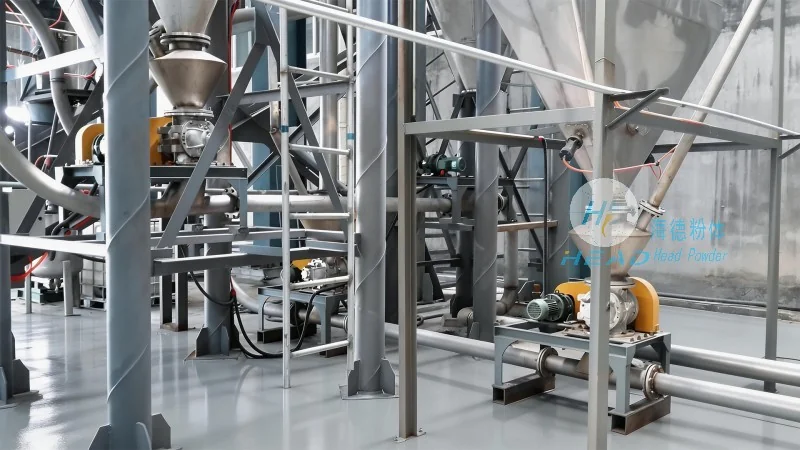
Principles of Vacuum Material Handling
The fundamental principle of vacuum material handling is based on the generation of a negative pressure zone within the conveying system. A vacuum pump or fan is used to create this low-pressure environment, which then draws the material particles into the pipeline. The air flow, typically mixed with the material, moves the particles along the pipeline to the desired location. Key components include the vacuum source (e.g., a rotary vane pump or centrifugal fan), the conveying pipeline (usually made of stainless steel or plastic to prevent material contamination and ensure durability), and control valves that regulate the flow. The system operates by maintaining a consistent negative pressure, ensuring that the material is continuously drawn and transported without the need for mechanical agitation or external forces beyond the air flow.
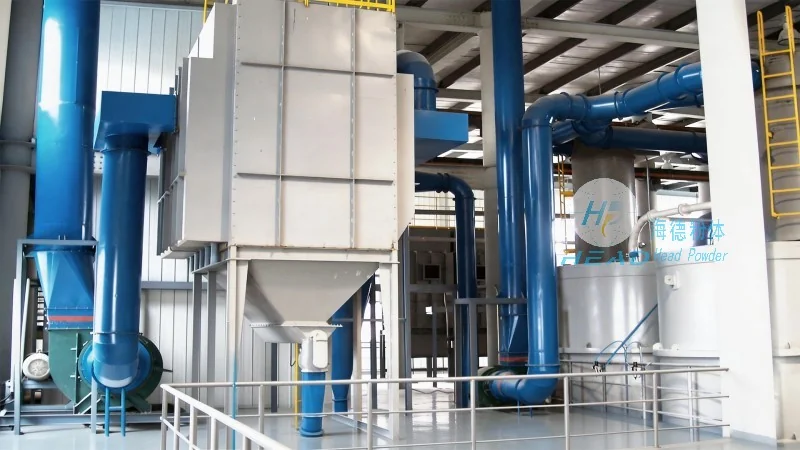
Working Scenario Characteristics of Vacuum Material Handling
Vacuum material handling is particularly suitable for applications where materials need to be transported over moderate distances, typically up to several hundred meters, in a controlled and dust-free environment. It is commonly used in industries such as pharmaceuticals, food processing, chemical manufacturing, and agriculture, where the purity and integrity of the material are critical. For instance, in pharmaceutical production, vacuum conveying is employed to transport active pharmaceutical ingredients (APIs) and excipients with high precision, minimizing contamination risks. In food processing, it is used to handle powders like flour, sugar, and spices, ensuring hygienic and efficient transfer. The system's ability to handle fine powders without clogging or agglomeration is a significant advantage, as it maintains the material's quality and flow characteristics.
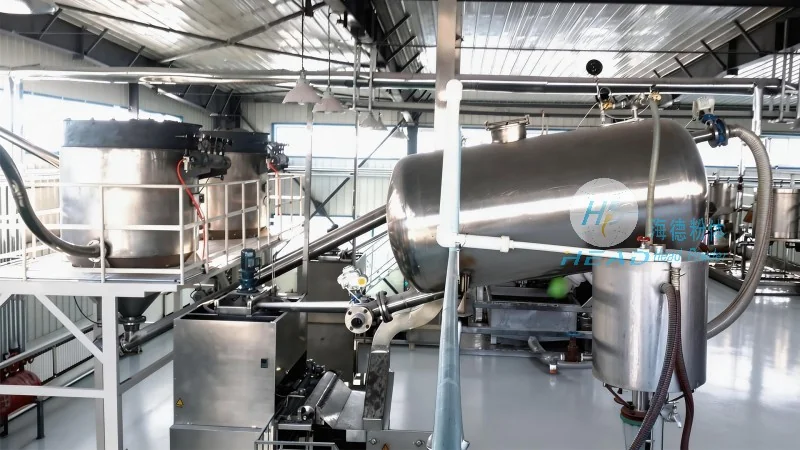
Key Advantages and Considerations in Application
One of the primary advantages of vacuum material handling is its ability to transport materials in a closed system, which prevents dust emissions and environmental contamination. This is crucial in industries where dust control is mandatory, such as pharmaceuticals and food processing. Additionally, the system offers flexibility in pipeline layout, allowing for vertical and horizontal transport, as well as the integration of multiple material sources or destinations. However, the design and operation of a vacuum conveying system require careful consideration of the material's properties, including particle size, moisture content, and flowability. For example, highly cohesive or sticky materials may require additional equipment like vibrators or air knives to prevent blockages. The energy consumption of the vacuum pump is another factor to consider, as it directly impacts the overall operational cost. Proper maintenance, including regular cleaning of the pipeline and filter systems, is essential to ensure long-term efficiency and prevent downtime.
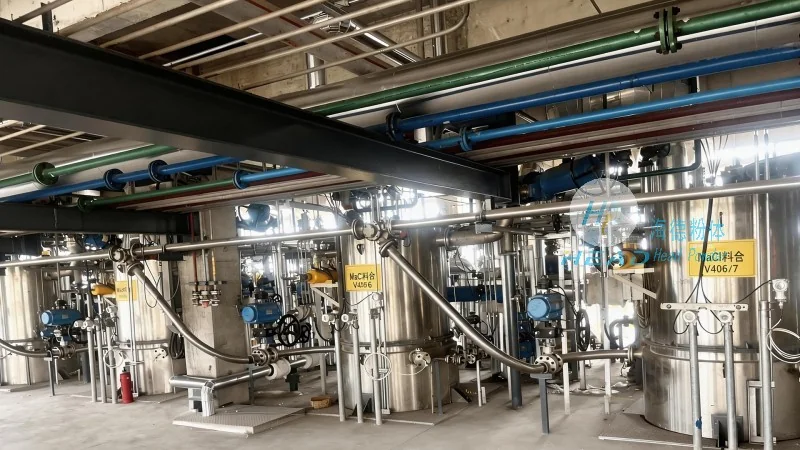
Company Profile: Shandong HeadPowder Engineering Co., Ltd.
Shandong HeadPowder Engineering Co., Ltd., operating under the brand name headpowder, specializes in the design, manufacturing, and installation of vacuum material handling systems tailored to diverse industrial needs. With a focus on precision and reliability, the company provides customized solutions that meet the specific requirements of each application. HeadPowder's expertise lies in understanding the unique characteristics of different materials and designing systems that optimize performance while ensuring compliance with industry standards. The company's facilities are located in Shandong, China, where it leverages advanced technology and skilled engineering to deliver high-quality equipment and services. By combining innovative design with rigorous quality control, headpowder aims to enhance the efficiency and safety of material handling processes across various sectors.




