

Principles and Operational Characteristics of Aluminum Ash Slag Material Transport
Aluminum ash slag, a byproduct of aluminum production processes, presents unique challenges in material handling due to its high temperature, abrasive nature, and potential chemical reactivity. Efficient and reliable transport of this material is crucial for maintaining operational efficiency and ensuring safety in industrial settings. This article explores the fundamental principles underlying aluminum ash slag material transport and highlights the key characteristics of the working environments where such systems are deployed.
Core Principles of Material Handling for Aluminum Ash Slag
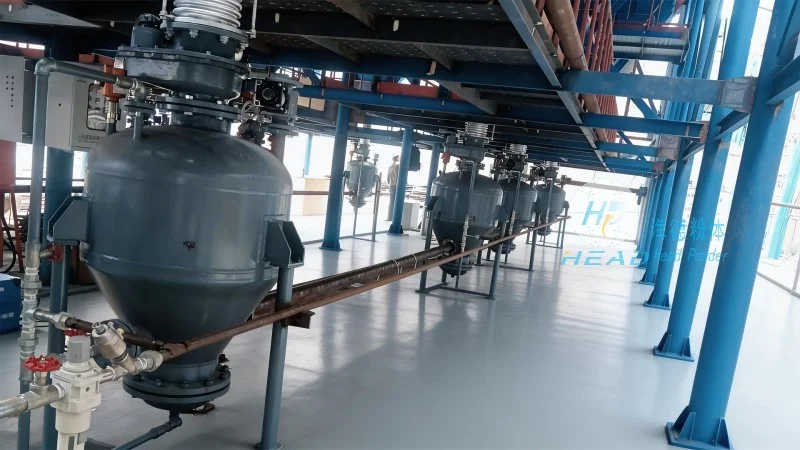
The primary principle in aluminum ash slag material transport is the adaptation of equipment to withstand the harsh conditions associated with this material. Aluminum ash slag typically contains high temperatures, often exceeding 500°C, and is abrasive, which can quickly wear down conventional machinery. Therefore, specialized components such as heat-resistant alloys, high-strength polymers, and reinforced structures are essential. Additionally, the transport systems must be designed to handle the material's density and flow characteristics, which can vary significantly based on the processing stage. For instance, in the early stages of slag cooling, the material may be more fluid and require different conveying mechanisms compared to when it has solidified. The principle of minimizing material degradation is also critical, as aluminum ash slag is often used in secondary processes like cement production or as a raw material for other industrial applications. Any loss of material quality during transport can reduce the value of the final product and increase operational costs.
Another key principle is the integration of temperature control measures. Many aluminum ash slag transport systems incorporate cooling elements, such as water-cooled pipes or heat exchangers, to reduce the temperature of the material before it reaches downstream processing equipment. This not only protects the machinery from thermal damage but also improves the material's handling properties, making it easier to convey and process. The principle of continuous and unobstructed flow is also paramount. Aluminum ash slag is often produced in large volumes and needs to be transported continuously to avoid accumulation and potential hazards. This requires robust control systems that can regulate the flow rate and maintain consistent pressure within the transport lines. Advanced sensors and automation technologies are commonly employed to monitor the material level, flow rate, and temperature in real-time, ensuring optimal performance and preventing system failures.
Key Working Scene Characteristics and Application Scenarios
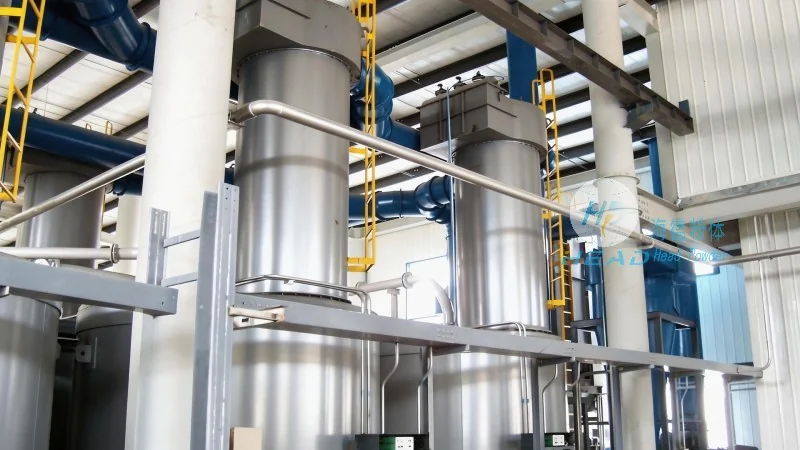
The working scenes where aluminum ash slag material transport systems operate are typically industrial environments with high production rates and stringent safety requirements. These include aluminum smelting plants, where the slag is generated as a byproduct of the electrolysis process, and waste treatment facilities that specialize in processing industrial byproducts. In aluminum smelting plants, the transport systems are often integrated into the overall production line, connecting the slag cooling zones to storage silos or directly to downstream processing units. The operational environment in these plants is characterized by high temperatures, heavy machinery, and the need for continuous operation to match the production schedule. The working scene also involves multiple stages of material handling, such as initial cooling, solidification, and final transport, each requiring specialized equipment tailored to the specific phase.
In waste treatment facilities, the focus is on the efficient and environmentally responsible disposal or recycling of aluminum ash slag. The working scene here may involve the use of pneumatic conveying systems to transport the slag from storage areas to processing units or to disposal sites. These systems are often designed to minimize dust emissions and comply with environmental regulations. The operational characteristics in waste treatment facilities include the need for flexibility in handling different types of slag and the ability to integrate with existing infrastructure. The working environment may also involve exposure to hazardous materials, necessitating robust safety measures and equipment designed for durability and reliability.
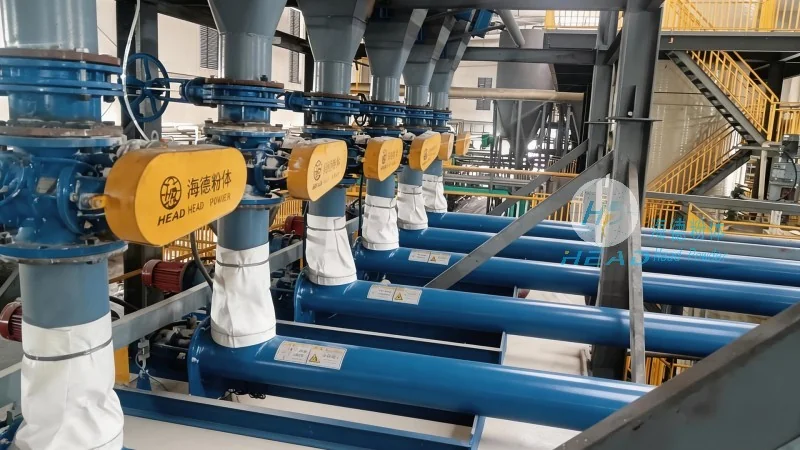
Another application scenario is in the recycling industry, where aluminum ash slag is used as a raw material for the production of cement or other building materials. The transport systems in these settings must be capable of handling the material at various stages of processing, from raw slag to finished products. The working scene is characterized by the need for precise control over the material's composition and quality, as these factors directly impact the performance of the final product. The principles of material transport in this scenario emphasize the importance of maintaining the material's integrity and preventing contamination, which is critical for meeting industry standards and customer expectations.
Company Profile: Shandong HeadPowder Engineering Co., Ltd.
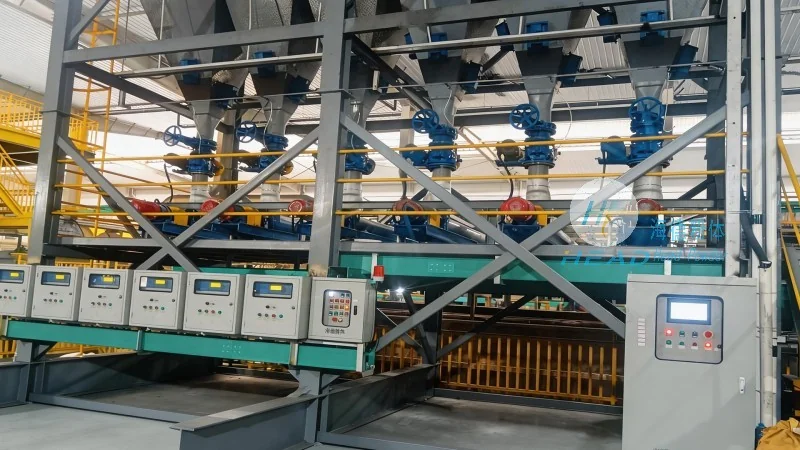
Shandong HeadPowder Engineering Co., Ltd., commonly known as HeadPowder, is a leading provider of specialized material handling solutions tailored to the unique challenges of industrial applications, including aluminum ash slag transport. With a strong focus on engineering innovation and customer-centric design, HeadPowder has developed a comprehensive range of equipment and systems that address the diverse needs of industries dealing with high-temperature, abrasive materials. The company's expertise lies in the design, manufacturing, and integration of custom transport solutions that ensure efficiency, safety, and durability in demanding operational environments. HeadPowder's team of experienced engineers and technicians works closely with clients to understand their specific requirements and develop tailored solutions that meet or exceed industry standards. The company's commitment to quality and reliability has earned it a reputation as a trusted partner in the material handling sector, particularly in applications involving aluminum ash slag and other challenging materials.
Conclusion
Efficient aluminum ash slag material transport is a critical component of industrial operations, particularly in aluminum production and waste management sectors. The principles of adapting equipment to the material's characteristics, implementing robust temperature control, and ensuring continuous, unobstructed flow are fundamental to successful transport systems. The working scene characteristics, including high production rates, stringent safety requirements, and diverse application scenarios, demand specialized engineering solutions that can handle the unique challenges of aluminum ash slag. Companies like Shandong HeadPowder Engineering Co., Ltd. play a vital role in providing these solutions, leveraging their expertise to deliver reliable and efficient material handling systems that enhance operational performance and support sustainable industrial practices. As the demand for efficient and sustainable material transport continues to grow, the importance of specialized solutions for aluminum ash slag will remain a key focus in industrial engineering.