Bulk bag unloading material pneumatic conveying systems are critical in industrial material handling, offering efficient and safe methods to transfer bulk materials from sealed bags into processing equipment. These systems are widely used across various industries, including chemicals, food processing, pharmaceuticals, and mining, due to their ability to handle large volumes of material while maintaining hygiene and operational safety. The technology behind these systems combines mechanical and pneumatic principles to achieve seamless material transfer, making them a preferred choice for applications requiring high throughput and minimal manual intervention.
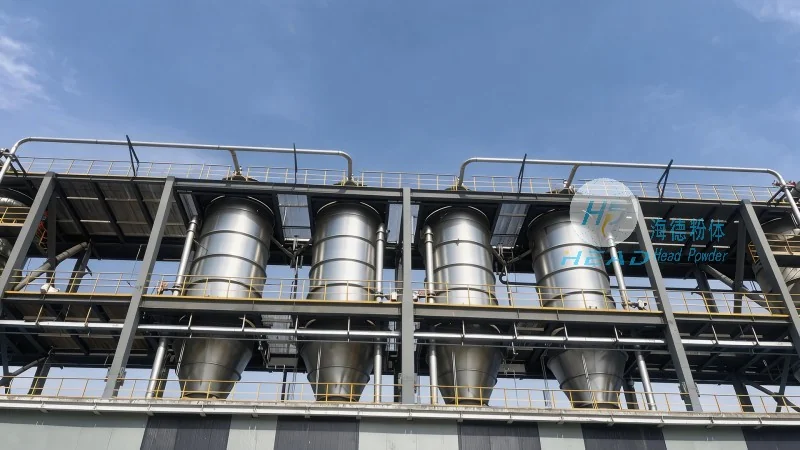
About Shandong HeadPowder Engineering Co., Ltd.
HeadPowder, the professional manufacturer of bulk bag unloading and pneumatic conveying solutions, is a leading company based in Shandong, China. With years of experience in the field, HeadPowder specializes in designing, manufacturing, and supplying high-quality pneumatic conveying systems tailored to meet diverse industrial needs. The company’s commitment to innovation and quality ensures that each system is engineered to deliver reliable performance, durability, and cost-effectiveness. HeadPowder’s products are trusted by clients worldwide for their efficiency and adherence to industry standards, providing a robust solution for bulk material handling challenges.
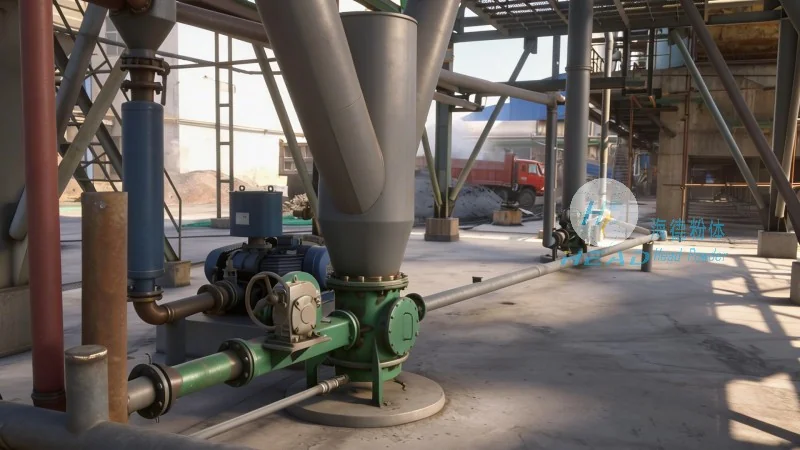
Key Components of the Pneumatic Conveying System
The bulk bag unloading material pneumatic conveying system consists of several key components that work in tandem to facilitate material transfer. These components include the bulk bag discharger, airlock, conveying line, and material receiver. The bulk bag discharger is responsible for opening the top of the bag and releasing the material into the system. The airlock acts as a check valve, preventing backflow and ensuring a controlled flow of material. The conveying line, typically made of stainless steel or other corrosion-resistant materials, transports the material through the system using compressed air. The material receiver collects the conveyed material and can be connected to downstream processing equipment. Each component is designed to withstand the demands of continuous operation and handle various types of bulk materials, including powders, granules, and other dry substances.
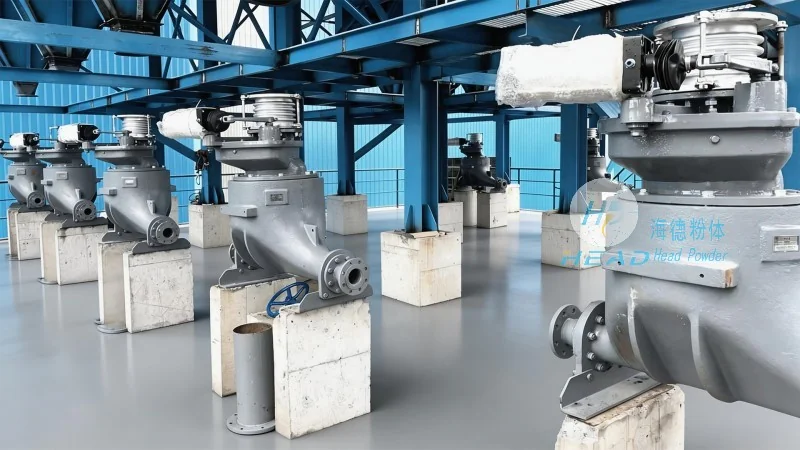
Operation Process of the System
The operation of the bulk bag unloading material pneumatic conveying system follows a systematic process that ensures efficient and safe material transfer. The process begins with the placement of a bulk bag into the discharger. The system then uses a combination of mechanical and pneumatic forces to open the bag and start the discharge. Compressed air is introduced into the conveying line, creating a flow that pulls the material from the bag into the system. The material is then transported through the airlock and into the receiving hopper or container. The airlock ensures that the material flows continuously without any blockages or backflow, maintaining a steady flow rate. Once the bulk bag is empty, the system can be prepared for the next bag, with minimal downtime. The entire process is automated to a large extent, reducing the need for manual labor and minimizing the risk of material contamination or spillage.
Working Principle of the Pneumatic Conveying System
The working principle of the bulk bag unloading material pneumatic conveying system is based on the use of compressed air to create a pressure differential that moves the material through the system. The system operates on the principle of pneumatic transport, where the material is suspended in a stream of air and transported along the conveying line. The air is typically supplied by a compressor, which generates the necessary pressure to move the material. The velocity of the air and the size of the conveying line determine the flow rate and capacity of the system. The system can be designed as a positive pressure or negative pressure system, depending on the application and material characteristics. Positive pressure systems use compressed air to push the material forward, while negative pressure systems use suction to draw the material into the system. The choice of system type depends on factors such as material density, particle size, and the distance to be conveyed. The working principle ensures that the material is transported efficiently and safely, with minimal degradation or loss.
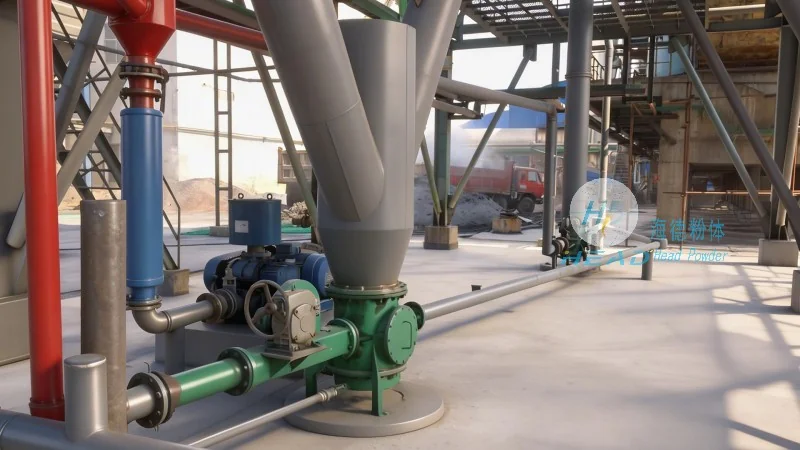
Advantages of the Pneumatic Conveying System
Bulk bag unloading material pneumatic conveying systems offer several advantages over traditional material handling methods. One of the key advantages is the ability to handle large volumes of material with minimal space requirements. The system can transfer material from bulk bags directly into processing equipment, eliminating the need for intermediate storage or manual handling. This reduces labor costs and improves operational efficiency. Another advantage is the hygienic design of the system, which is particularly important in industries such as food and pharmaceuticals. The stainless steel construction and sealed components prevent contamination and ensure compliance with regulatory standards. The system also provides better control over material flow, reducing the risk of spills or overfilling. Additionally, the automated operation of the system minimizes human error and enhances safety in the workplace. Overall, the pneumatic conveying system is a cost-effective and reliable solution for bulk material handling, offering high throughput and consistent performance.




