

Operation Process and Working Principle of Desulfurization Fly Ash Material Pneumatic Conveying Syst
Desulfurization fly ash, a byproduct of flue gas desulfurization in power plants, requires efficient handling and transportation. The pneumatic conveying system designed by Shandong HeadPowder Engineering Co., Ltd. (referred to as HeadPowder) offers a reliable solution for transporting this material safely and effectively. This article explores the operation process and working principle of such a system, highlighting its key components and operational dynamics.
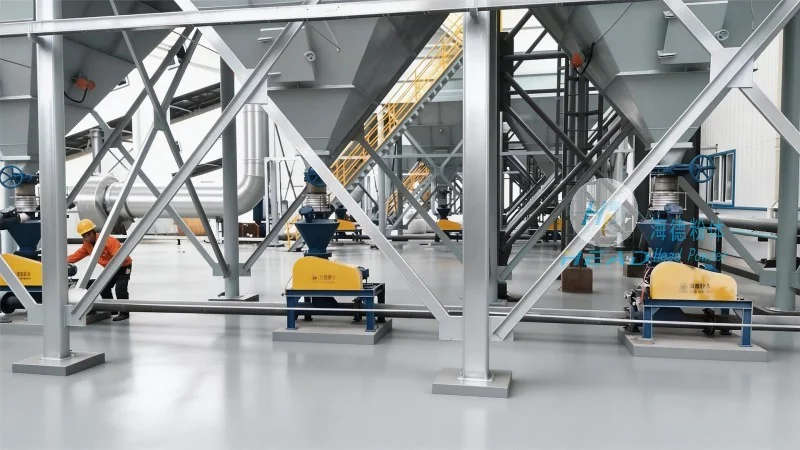
Overview of the Pneumatic Conveying System for Desulfurization Fly Ash
HeadPowder’s pneumatic conveying system is engineered to handle the unique characteristics of desulfurization fly ash, which includes high moisture content, fine particle size, and abrasive properties. The system is designed to ensure minimal material loss, low maintenance costs, and compliance with environmental regulations. By utilizing air as the conveying medium, the system eliminates the need for mechanical components like belts or buckets, reducing wear and tear and enhancing operational safety.
Key Components of the Pneumatic Conveying System
The system consists of several critical components that work in tandem to facilitate the transport of desulfurization fly ash. These include the material hopper, air compressor, conveying pipeline, and discharge unit. The material hopper is equipped with a feeding mechanism that controls the flow of fly ash into the system. The air compressor generates the necessary air pressure to move the material through the pipeline. The conveying pipeline, typically made of corrosion-resistant materials like stainless steel or polyethylene, ensures the material is transported without degradation. The discharge unit, often a rotary valve or a dust collector, regulates the release of the fly ash at the destination point.
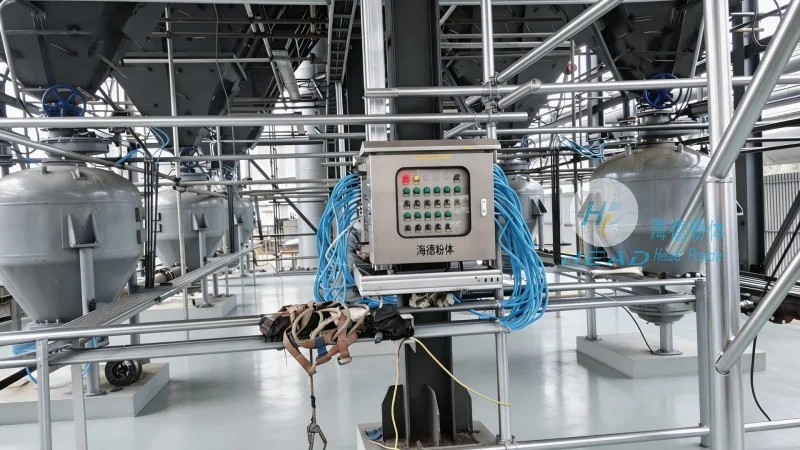
Operation Process of the Pneumatic Conveying System
The operation process of the system begins with the loading of desulfurization fly ash into the material hopper. The feeding mechanism then regulates the flow of material into the conveying pipeline. Simultaneously, the air compressor starts and generates high-pressure air, which is introduced into the pipeline. The high-pressure air creates a flow that carries the fly ash particles through the pipeline. As the material travels, it is mixed with the air, forming a slurry-like mixture that moves efficiently. The system is designed to maintain a consistent air-to-material ratio to ensure optimal conveying performance. The discharge unit at the end of the pipeline regulates the release of the fly ash, ensuring it is deposited in the designated storage or processing area. The entire process is automated, with sensors monitoring the flow rate and pressure to maintain system stability.
Working Principle of the Pneumatic Conveying System
The working principle of the system is based on the principle of fluidization and pneumatic transport. The air compressor provides the necessary pressure to create a flow of air through the pipeline. The material is introduced into the pipeline at a controlled rate, and the air flow carries the particles along. The key to efficient conveying is maintaining the correct air velocity and pressure to prevent material deposition or blockage. The system uses positive pressure or negative pressure (or a combination) depending on the application requirements. Positive pressure systems are commonly used for long-distance or high-rise conveying, as they can maintain consistent pressure and prevent air leakage. Negative pressure systems are suitable for short-distance conveying or when the material needs to be transported from a higher to a lower elevation. The system’s design ensures that the air flow is sufficient to overcome the frictional forces between the material particles and the pipeline walls, as well as the gravitational forces acting on the material.
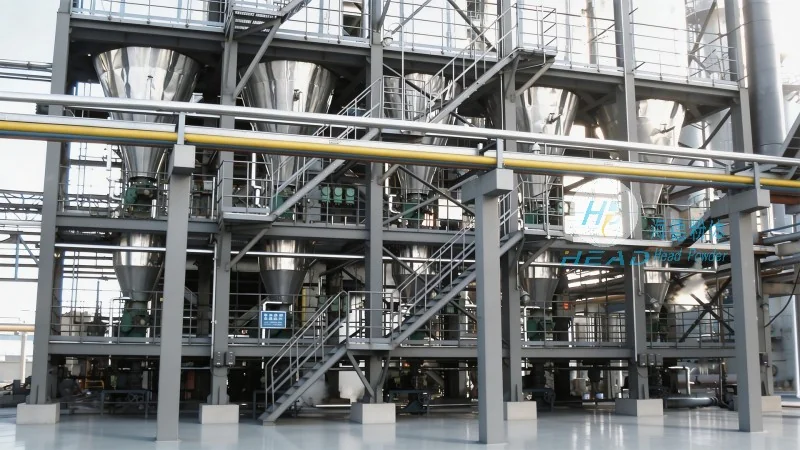
Advantages of Using HeadPowder’s Pneumatic Conveying System
HeadPowder’s pneumatic conveying system for desulfurization fly ash offers several advantages over traditional mechanical conveying methods. Firstly, it reduces the risk of material contamination and cross-contamination, as the system is enclosed and sealed. This is particularly important for handling materials that may be hazardous or require strict environmental compliance. Secondly, the system minimizes labor costs and operational downtime, as it is automated and requires minimal manual intervention. Thirdly, the system is energy-efficient, as it uses air as the conveying medium, which is more cost-effective than mechanical systems that rely on motors and belts. Additionally, the system is flexible and can be customized to meet the specific requirements of different power plants, including varying material flow rates and pipeline lengths.
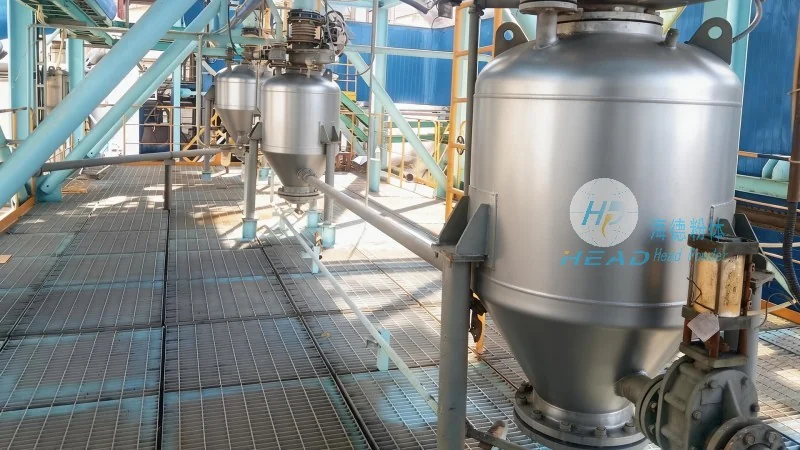
Application and Installation Considerations
HeadPowder’s pneumatic conveying system is suitable for various applications in power plants, including the transport of desulfurization fly ash from the scrubber to storage silos or disposal sites. The system can be installed in both new and existing power plants, with minimal disruption to the existing infrastructure. The installation process involves careful planning to ensure the pipeline layout is optimized for efficient conveying, and the system is integrated with the existing material handling equipment. HeadPowder provides comprehensive installation and commissioning services to ensure the system operates at peak efficiency. The company also offers maintenance and support services to ensure the system remains in good working condition over its service life.
Conclusion
Shandong HeadPowder Engineering Co., Ltd. (HeadPowder) provides a reliable and efficient pneumatic conveying system for handling desulfurization fly ash. The system’s operation process and working principle are designed to ensure optimal performance, minimal material loss, and compliance with environmental regulations. By utilizing advanced technology and materials, HeadPowder’s system offers a cost-effective solution for power plants looking to improve their material handling processes. With its headquarters in Shandong, China, HeadPowder has established itself as a leading provider of engineering solutions for the power industry, and its pneumatic conveying system is a testament to the company’s commitment to quality and innovation.