

Operation Process and Working Principle of Pneumatic Conveying System for Spices and Materials
Shandong HeadPowder Engineering Co., Ltd., a leading manufacturer based in Shandong, China, specializes in the design, development, and implementation of advanced pneumatic conveying systems tailored for the efficient handling of spices and other similar bulk materials. The company's expertise lies in creating customized solutions that ensure optimal performance, reliability, and safety in material transport processes within various industrial applications.
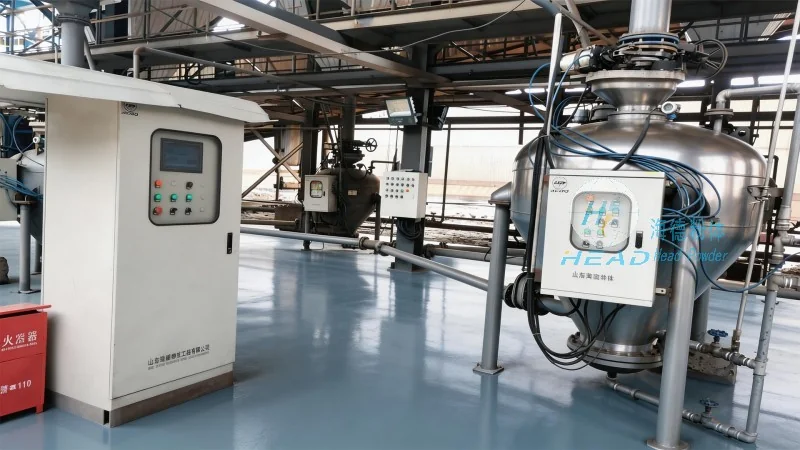
Overview of the Pneumatic Conveying System
The pneumatic conveying system for spices and materials is a sophisticated piece of equipment engineered to transport dry bulk materials through a pipeline using air or other gases as the conveying medium. This technology offers a non-contact, dust-free, and hygienic method of material handling, which is particularly critical in the food processing industry where spices are commonly used. The system comprises several key components, including a material hopper, a feeder, a conveying line, a separator, and a dust collector, all working in tandem to ensure seamless material transport from the source to the destination.
Key Components and Their Functions
Each component of the pneumatic conveying system plays a vital role in the overall operation. The material hopper serves as the storage vessel where the spices or other materials are held before being fed into the system. It is designed with a sloped bottom to facilitate smooth material flow into the feeder. The feeder, typically a rotary or vibratory type, regulates the flow rate of the material into the conveying line, ensuring consistent and controlled transport. The conveying line, usually made of stainless steel or other corrosion-resistant materials, is the main pathway for the material and air mixture. The separator, often a cyclone or a bag filter, separates the material from the air, allowing the material to be discharged at the destination while the air is either recirculated or vented. The dust collector, if used, further ensures that any fine particles are captured, maintaining a clean and safe working environment.
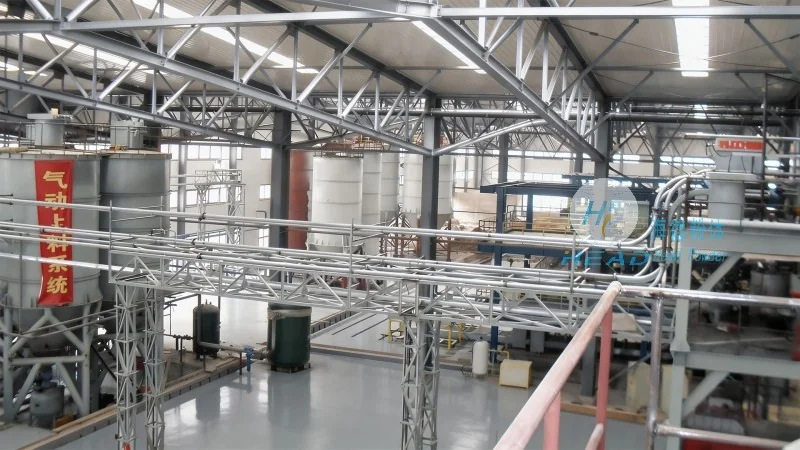
Operation Process of the Pneumatic Conveying System
The operation of the pneumatic conveying system for spices and materials begins with the loading of the material into the hopper. Once the material is ready, the feeder starts to discharge the material at a controlled rate. Simultaneously, the air compressor or blower generates a flow of air that is introduced into the conveying line. The material is then entrained by the air stream and carried through the pipeline to the receiving hopper or storage area. At the destination, the separator separates the material from the air, and the material is collected in the receiving container. The air, now free of material particles, is either returned to the system for recirculation or discharged to the atmosphere, depending on the system design and environmental requirements.
Working Principle of the Pneumatic Conveying System
The working principle of the pneumatic conveying system is based on the fundamental concept of fluidization and drag. When air is introduced into the conveying line at a sufficient velocity, it creates a low-pressure zone that draws the material particles into the air stream. The material particles are then carried along the pipeline by the drag force exerted by the air. The system can operate in either positive pressure or negative pressure modes. In positive pressure systems, the air is pressurized and forced through the pipeline, while in negative pressure systems, the air is drawn through the pipeline by a vacuum. The choice between these modes depends on factors such as the distance to be covered, the material characteristics, and the desired flow rate. The system's efficiency and performance are influenced by several parameters, including the air velocity, the material's density and particle size, the conveying line diameter, and the system's pressure or vacuum level.
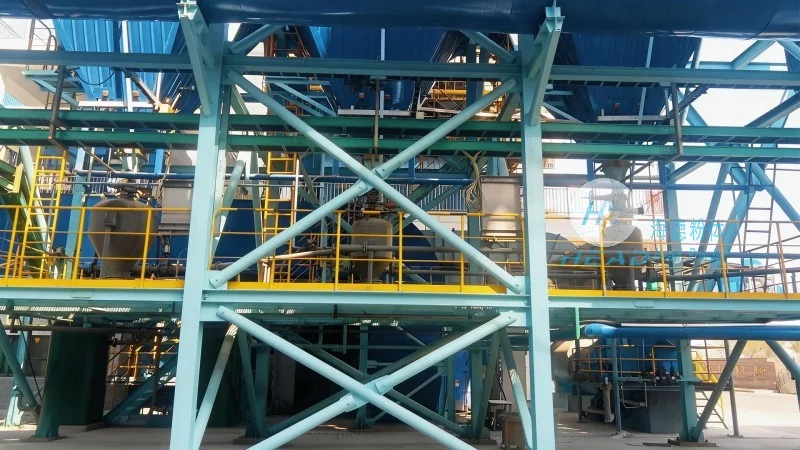
Advantages of the Pneumatic Conveying System for Spices and Materials
Implementing a pneumatic conveying system for spices and other bulk materials offers numerous advantages over traditional methods such as belt conveyors or bucket elevators. One of the primary benefits is the non-contact handling of the material, which prevents contamination and ensures product integrity. The system is also highly hygienic, as it eliminates the need for manual handling and reduces the risk of cross-contamination. Additionally, the system provides a dust-free environment, which is crucial for maintaining product quality and compliance with food safety regulations. The flexibility of the system allows for easy integration into existing production lines and the ability to transport materials over long distances without the need for intermediate storage or transfer points. Furthermore, the system can be customized to handle various material types, including fine powders, granules, and even sticky or abrasive materials, making it a versatile solution for diverse industrial applications.
Application Examples and Industry Impact
The pneumatic conveying system for spices and materials is widely used in various industries, including food processing, pharmaceuticals, chemicals, and agriculture. In the food industry, it is commonly employed in the transport of spices, herbs, and other flavoring agents from storage to processing lines, ensuring that the products remain fresh and free from contamination. In the pharmaceutical industry, the system is used to transport active ingredients and excipients with high precision and minimal risk of cross-contamination. The system's ability to handle fine powders and maintain a sterile environment makes it an ideal choice for sensitive applications. In the chemical industry, it is used to transport various powders and granules, including catalysts and reagents, with efficiency and safety. The impact of this technology on the industry is significant, as it enhances productivity, reduces labor costs, and improves product quality and safety. By providing a reliable and efficient means of material transport, the pneumatic conveying system contributes to the overall operational efficiency and competitiveness of businesses in these sectors.
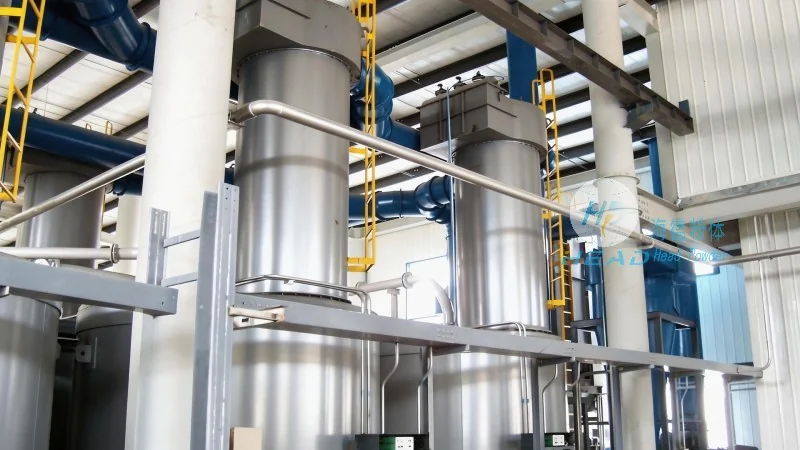
Maintenance and Operational Considerations
To ensure the long-term performance and reliability of the pneumatic conveying system, regular maintenance and proper operational considerations are essential. The system components, such as the feeder, separator, and air compressor, require periodic inspection and cleaning to prevent clogging and ensure optimal operation. The conveying line should be checked for any signs of wear or damage, and the air filter should be replaced regularly to maintain air quality. The system's pressure and vacuum levels should be monitored and adjusted as needed to maintain the desired flow rate and material transport efficiency. Additionally, the system should be operated within the recommended parameters, as exceeding the maximum air velocity or pressure can lead to material degradation or equipment damage. Proper training of operators on the system's operation and maintenance is also crucial to prevent accidents and ensure the system's longevity.
Conclusion
Shandong HeadPowder Engineering Co., Ltd. offers advanced pneumatic conveying systems for spices and materials that are designed to meet the specific needs of various industrial applications. The system's efficient operation, hygienic design, and versatility make it an ideal solution for material transport in the food, pharmaceutical, chemical, and other industries. By leveraging the expertise of HeadPowder, businesses can enhance their operational efficiency, improve product quality, and ensure compliance with industry regulations. The pneumatic conveying system represents a significant advancement in material handling technology, providing a reliable and sustainable solution for the transport of bulk materials.