Operation Process and Working Principle of Pneumatic Conveying System for Dry Sludge Materials
Release time:2026-09-21 10:01:42
name of the company:Shandong Headpowder Engineering Co., Ltd.
telephone:156-6277-7102
contacts:Zhang manager
For industrial facilities dealing with dry sludge materials, efficient material handling is crucial for maintaining operational efficiency and safety. The pneumatic conveying system, specifically designed for dry sludge, offers a reliable solution that minimizes manual handling and reduces the risk of contamination. This article provides an in-depth look at the operation process and working principle of such a system, highlighting its key components, operational workflow, and the benefits it brings to industrial applications.
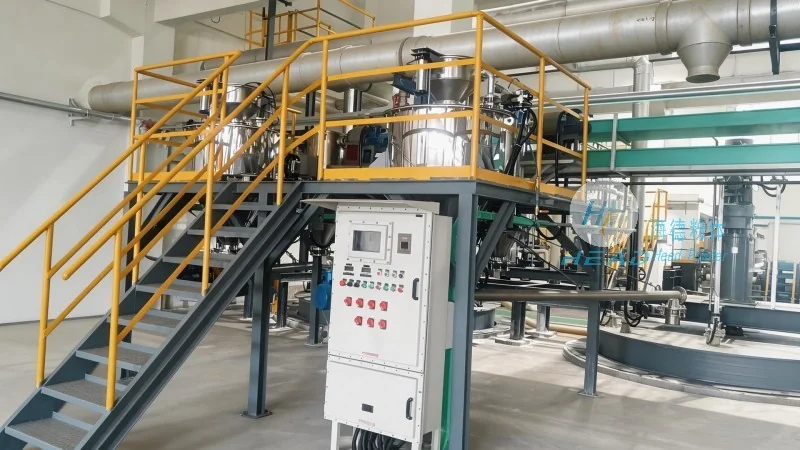
Overview of Pneumatic Conveying System for Dry Sludge
The pneumatic conveying system for dry sludge materials is a sophisticated piece of equipment engineered to transport dry sludge from one location to another using air pressure. Unlike traditional methods like trucks or conveyor belts, this system utilizes air to move the material, making it ideal for applications where hygiene, dust control, and space efficiency are paramount. The system is commonly used in wastewater treatment plants, municipal solid waste facilities, and industrial processes that generate dry sludge as a byproduct.
Key Components of the Pneumatic Conveying System
The effectiveness of the pneumatic conveying system for dry sludge relies on several critical components that work in tandem to ensure smooth operation. These components include:
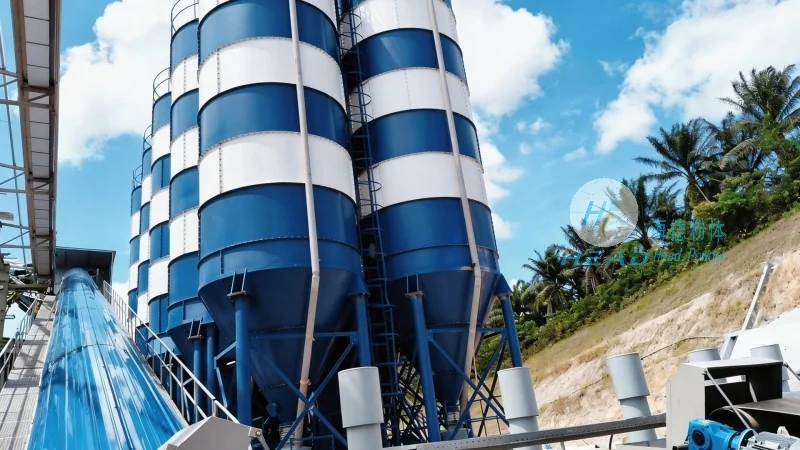
- Feeder: The feeder is responsible for feeding the dry sludge into the system. It ensures a consistent and controlled flow of material, preventing blockages and maintaining the system's efficiency.
- Pneumatic Conveying Pipe: This is the main conduit through which the dry sludge is transported. The pipe is typically made of durable materials like stainless steel or high-density polyethylene to withstand the abrasive nature of dry sludge and resist corrosion.
- Blower or Air Compressor: The blower or air compressor generates the necessary air pressure to move the dry sludge through the pipe. The power and capacity of this component are critical, as they determine the system's conveying capacity and distance.
- Receiver: The receiver is the terminal where the dry sludge is deposited. It is designed to collect the material and may include features like a hopper or silo to store the sludge before further processing or disposal.
- Control System: The control system monitors and regulates the operation of the entire system. It includes sensors to detect flow rates, pressure levels, and any potential blockages, ensuring that the system operates safely and efficiently.
Operation Process of the Pneumatic Conveying System
The operation of the pneumatic conveying system for dry sludge follows a systematic workflow that ensures the material is transported from the source to the destination without interruption. The process typically involves the following steps:
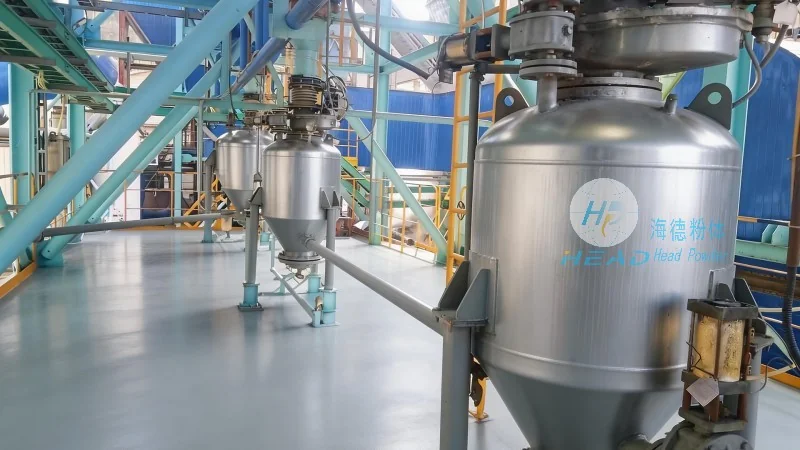
- Material Feeding: The dry sludge is fed into the feeder, which then delivers it into the pneumatic conveying pipe. The feeder may use a screw or rotary mechanism to ensure a steady flow of material.
- Air Intake and Compression: The blower or air compressor starts operating, drawing in ambient air and compressing it to the required pressure. This compressed air creates the necessary force to move the dry sludge through the pipe.
- Material Conveying: As the compressed air flows through the pipe, it entrains the dry sludge particles, forming a slurry-like mixture. The air pressure propels this mixture towards the receiver, maintaining a consistent flow rate.
- Deposition at Receiver: Upon reaching the receiver, the compressed air is released, allowing the dry sludge to settle and be collected. The air may be filtered and recycled to improve energy efficiency and reduce environmental impact.
- System Monitoring and Control: Throughout the process, the control system continuously monitors key parameters such as pressure, flow rate, and temperature. Any deviations are detected and corrected automatically, ensuring the system operates within optimal conditions.
Working Principle of the Pneumatic Conveying System
The working principle of the pneumatic conveying system for dry sludge is based on the fundamental concept of fluidization and air entrainment. When compressed air is introduced into the conveying pipe, it creates a low-pressure zone that draws the dry sludge particles into the air stream. The air acts as a carrier, transporting the material through the pipe. The key to efficient conveying lies in maintaining the right balance between air velocity and material concentration. If the air velocity is too low, the material may settle and cause blockages. If it is too high, the system may become inefficient and consume excessive energy.
Benefits and Advantages of the Pneumatic Conveying System
Implementing a pneumatic conveying system for dry sludge offers several advantages that make it a preferred choice for industrial applications. These benefits include:




