Iron ore fines, as a crucial raw material in the steel industry, require efficient and reliable transportation methods to ensure smooth production processes. The pneumatic conveying system for iron ore fines, developed by Shandong HeadPowder Engineering Co., Ltd., offers a sophisticated solution that integrates advanced technology with practical application. This system is designed to handle the unique characteristics of iron ore fines, such as their fine particle size and potential for dust generation, while maintaining high efficiency and low maintenance costs.
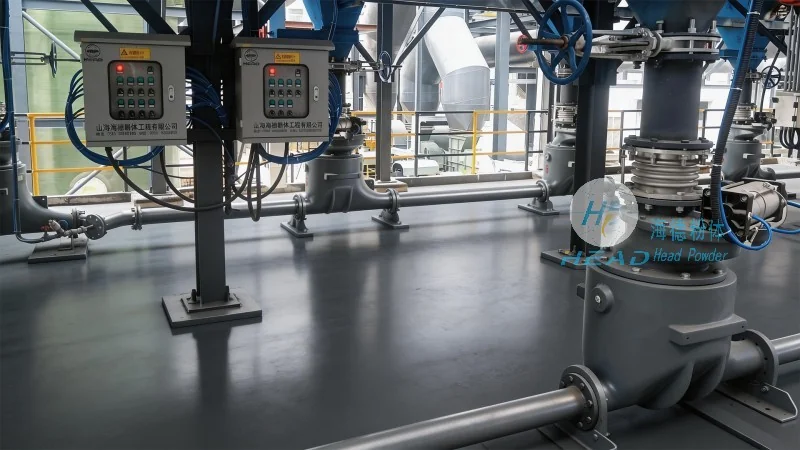
Key Components and Their Functions
The iron ore fines pneumatic conveying system consists of several core components, each playing a vital role in the overall operation. The main components include the material hopper, which stores the iron ore fines; the air compressor or blower, which generates the necessary air pressure to transport the material; the conveying pipeline, which carries the material from the hopper to the destination; and the control system, which regulates the flow and pressure of the air and material. Additionally, the system may include dust collection equipment to manage airborne particles and ensure environmental compliance.
Operation Process: Step-by-Step Execution
The operation of the iron ore fines pneumatic conveying system follows a systematic process. First, the iron ore fines are loaded into the material hopper. The control system then activates the air compressor, which starts to generate compressed air. The compressed air is introduced into the conveying pipeline, creating a pressure differential that draws the iron ore fines from the hopper. As the air and material mixture moves through the pipeline, the fines are carried to the desired location, such as a storage silo or processing unit. The system continuously monitors the flow rate and pressure to maintain optimal performance. When the material is delivered, the control system adjusts the air flow to stop the conveying process, preventing any backflow or material accumulation.
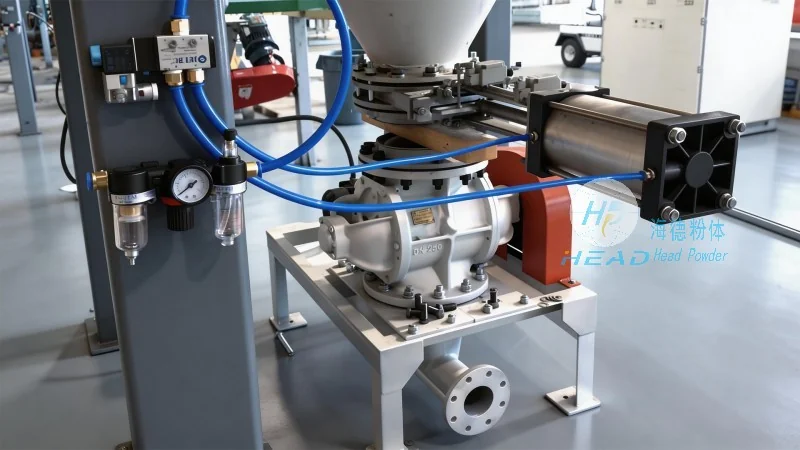
Working Principle: How the System Transports Material
The working principle of the iron ore fines pneumatic conveying system is based on the principle of fluidization and drag flow. In the hopper, the iron ore fines are initially at rest. When the compressed air is introduced into the pipeline, it creates a low-pressure zone that draws the material into the conveying line. The air flow velocity is carefully controlled to ensure that the fines are carried without excessive wear on the pipeline or equipment. The system utilizes either positive pressure or negative pressure (or a combination of both) to transport the material, depending on the specific application and distance. Positive pressure systems are commonly used for short to medium distances, as they provide consistent air flow and pressure. Negative pressure systems are more suitable for longer distances or when the material needs to be transported from a higher elevation to a lower one, as they rely on the suction effect to move the material.
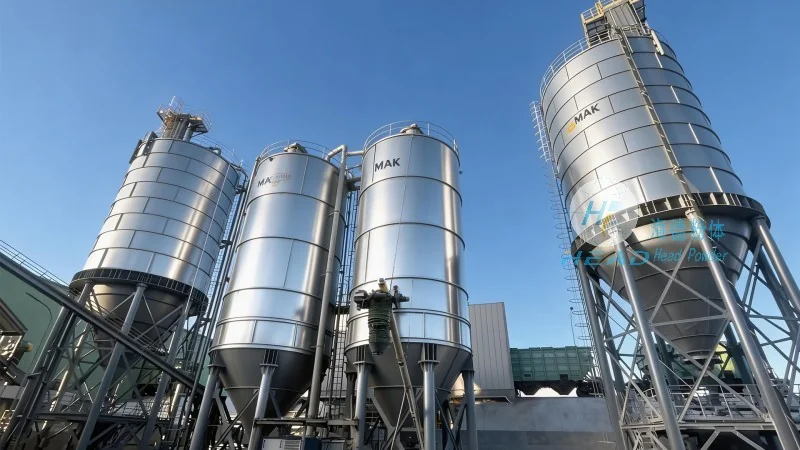
Technical Advantages and Benefits
Shandong HeadPowder Engineering Co., Ltd.'s iron ore fines pneumatic conveying system offers several technical advantages that make it an ideal choice for industrial applications. One of the primary benefits is the ability to transport material over long distances without the need for multiple transfer points or intermediate storage. This reduces the risk of material degradation and contamination, which is critical for iron ore fines that are sensitive to moisture and oxidation. The system also minimizes the need for manual handling, improving workplace safety and reducing labor costs. Additionally, the pneumatic conveying system is highly flexible, allowing for easy integration with existing production lines and the ability to adjust the conveying rate based on production demands. The low maintenance requirements and long service life of the components further enhance the economic viability of the system.
Application Scenarios and Industry Impact
The iron ore fines pneumatic conveying system is widely used in various industrial sectors, particularly in the steel and mining industries. It is commonly employed in iron ore processing plants to transport raw ore from storage facilities to processing units, such as crushers and ball mills. The system is also used in steel mills to convey finished products or byproducts to storage areas or for further processing. The efficiency and reliability of the system contribute to improved production throughput and reduced downtime, which are essential for maintaining competitiveness in the global market. By providing a seamless and continuous material flow, the system helps to optimize the overall production process and enhance the operational efficiency of the facility.




