HeadPowder, a leading provider of industrial material handling solutions, specializes in the design, manufacturing, and implementation of advanced pneumatic conveying systems tailored for the ceramic industry. Based in Shandong, China, the company leverages decades of expertise to deliver efficient and reliable systems that meet the unique demands of ceramic material transportation. This article explores the operation process and working principles of ceramic material pneumatic conveying systems, highlighting the key components, operational stages, and technical advantages that make these systems indispensable in modern ceramic production facilities.
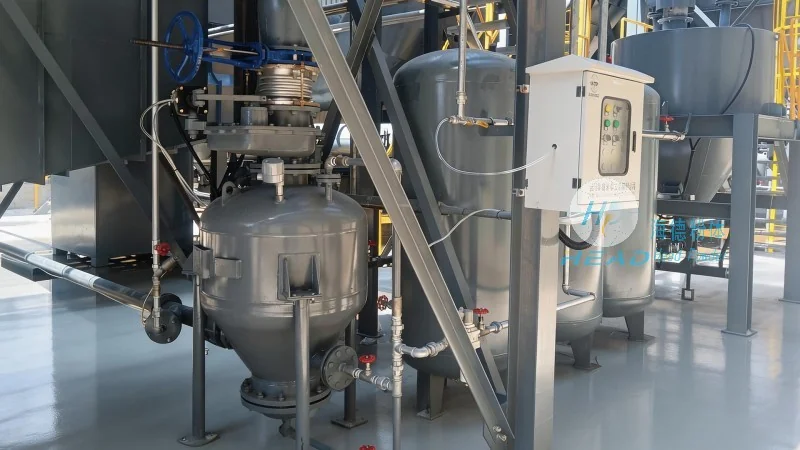
Ceramic Material Pneumatic Conveying System Overview
The ceramic material pneumatic conveying system is a sophisticated industrial solution that utilizes air pressure to transport bulk ceramic materials from one location to another. Unlike traditional mechanical conveyors, which rely on belts, chains, or screws, pneumatic systems offer a flexible, dust-free, and low-maintenance alternative for handling fine powders, granules, and other ceramic products. HeadPowder's systems are engineered to handle a wide range of ceramic materials, including clay, feldspar, quartz, and various ceramic powders, ensuring optimal performance and material integrity throughout the conveying process.
Key Components of the Pneumatic Conveying System
At the core of any pneumatic conveying system are several critical components that work in tandem to ensure efficient material transport. The primary components include the material hopper, which serves as the storage and feeding unit, the air compressor or blower that generates the necessary air pressure, the conveying line (typically made of stainless steel or other corrosion-resistant materials to prevent material buildup and contamination), and the control system that regulates air flow and material discharge. Additionally, the system may incorporate features such as cyclone separators, filters, and dust collection units to maintain air quality and prevent material loss. HeadPowder's systems are designed with these components in mind, ensuring durability, efficiency, and compliance with industrial standards.
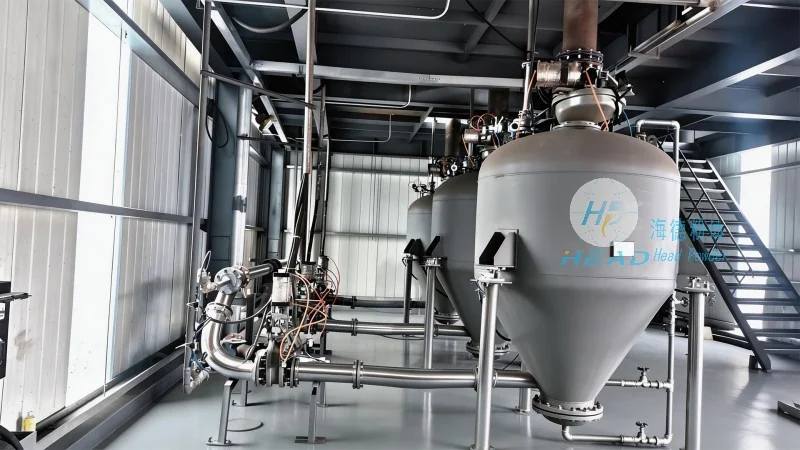
Operation Process: From Hopper to Discharge
The operation of a ceramic material pneumatic conveying system follows a systematic sequence of steps, each designed to optimize material flow and minimize downtime. The process begins with the loading of ceramic material into the hopper. As the material is fed into the system, the air compressor or blower generates a high-pressure air stream that is introduced into the conveying line. The air stream, combined with the ceramic material, forms a slurry-like mixture that is propelled through the pipeline. The system uses a combination of positive pressure (for direct conveying) or negative pressure (for suction conveying) to move the material from the hopper to the discharge point. The control system monitors the air pressure, flow rate, and material level, adjusting parameters as needed to maintain consistent performance. Upon reaching the discharge point, the material is separated from the air stream, typically using a cyclone separator or a filter, and collected in a receiving hopper or storage tank. The air, now free of particulate matter, is either recirculated or vented to the atmosphere, depending on the system design.
Working Principle: Air-Driven Material Transport
The working principle of a pneumatic conveying system is based on the fundamental physics of fluid dynamics and particle motion. In a positive pressure system, the air compressor pushes air into the conveying line, creating a pressure differential that forces the ceramic material to move along with the air. The air acts as a carrier, suspending the particles and transporting them through the pipeline. The velocity of the air stream is critical; it must be sufficient to keep the particles suspended and prevent settling or blockage. HeadPowder's systems are designed with precise air velocity control, ensuring that the air stream maintains the optimal velocity for the specific ceramic material being conveyed. In a negative pressure (suction) system, the blower creates a vacuum that draws the material from the hopper and pulls it through the line. This method is particularly useful for handling materials that are prone to dust or require a more gentle transport process. The working principle also involves the use of bends, elbows, and other components that are designed to minimize pressure loss and maintain consistent air flow, ensuring efficient material transport.
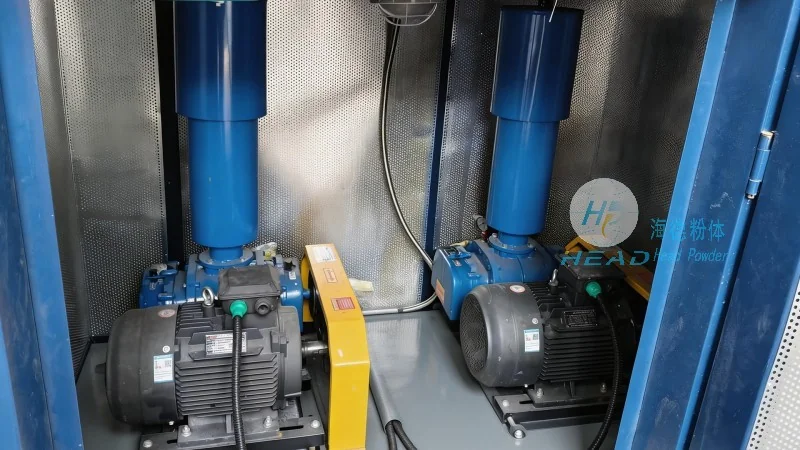
Advantages of Ceramic Material Pneumatic Conveying Systems
HeadPowder's ceramic material pneumatic conveying systems offer numerous advantages over traditional mechanical conveyors. One of the primary benefits is the ability to handle fine and abrasive ceramic powders without causing material degradation or equipment wear. The air-driven system reduces friction and impact, preserving the quality and consistency of the ceramic material. Additionally, pneumatic systems are dust-free, which improves workplace safety and reduces the risk of material contamination. They also provide greater flexibility in terms of layout and installation, as the conveying line can be easily routed around obstacles or integrated into existing production facilities. The low maintenance requirements of pneumatic systems, combined with their long service life, make them a cost-effective solution for ceramic manufacturers. Furthermore, the systems are designed to be energy-efficient, with adjustable air flow and pressure controls that minimize energy consumption while maintaining optimal performance.
Application in Ceramic Production Facilities
Ceramic material pneumatic conveying systems are widely used in various stages of ceramic production, from raw material handling to finished product packaging. In the raw material stage, the system efficiently transports clay, feldspar, and other raw materials from storage silos to processing equipment, ensuring a consistent supply of materials for production. During the production process, the system conveys ceramic powders and granules between mixing, molding, and firing stages, maintaining the integrity of the material and preventing cross-contamination. In the finishing stage, the system transports finished ceramic products, such as tiles or sanitaryware, from the production line to storage or packaging areas. HeadPowder's systems are tailored to meet the specific needs of each production stage, ensuring seamless integration and optimal performance. The systems are also designed to handle varying material properties, such as moisture content or particle size, making them versatile and adaptable to different ceramic production processes.




