Pharmaceutical material pneumatic conveying systems are critical in modern pharmaceutical manufacturing, ensuring efficient and hygienic transport of raw materials and finished products. These systems utilize air or gas to move powders and granules through a network of pipes, offering advantages such as reduced contamination risk, improved process control, and enhanced safety compared to traditional mechanical conveying methods. The operation process and working principle of such systems are designed to meet stringent regulatory requirements, making them indispensable in the pharmaceutical industry. They play a vital role in maintaining product integrity and ensuring compliance with Good Manufacturing Practices (GMP), which are essential for pharmaceutical products.
Key Components of the Pneumatic Conveying System
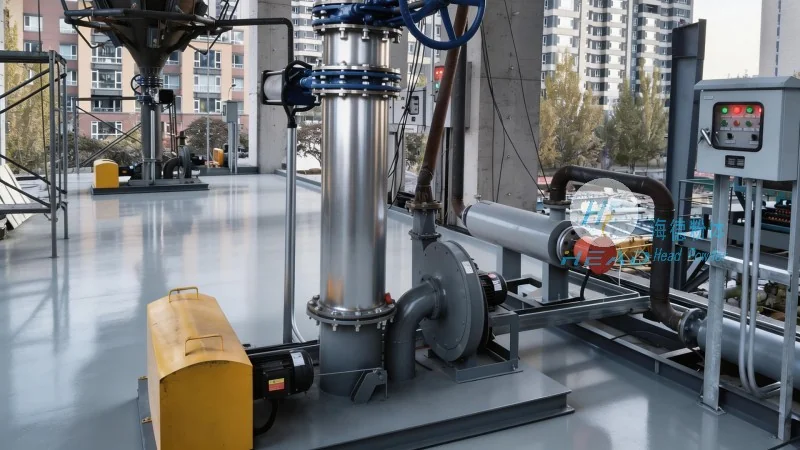
The core components of a pharmaceutical material pneumatic conveying system typically include a feeder, a conveying line, a receiver, and a control system. The feeder is responsible for feeding the material into the system, ensuring a consistent flow rate. The conveying line, often made of stainless steel or other corrosion-resistant materials, transports the material using air pressure. The receiver collects the material at the end of the line, and the control system manages the entire process, including air pressure, flow rate, and material level. Each component is designed to maintain high standards of cleanliness and reliability, crucial for pharmaceutical applications. The materials used in construction, such as 316L stainless steel, are chosen for their resistance to corrosion and ability to withstand sterilization processes, ensuring long-term performance and compliance with regulatory standards.
Working Principle of the Pneumatic Conveying Process
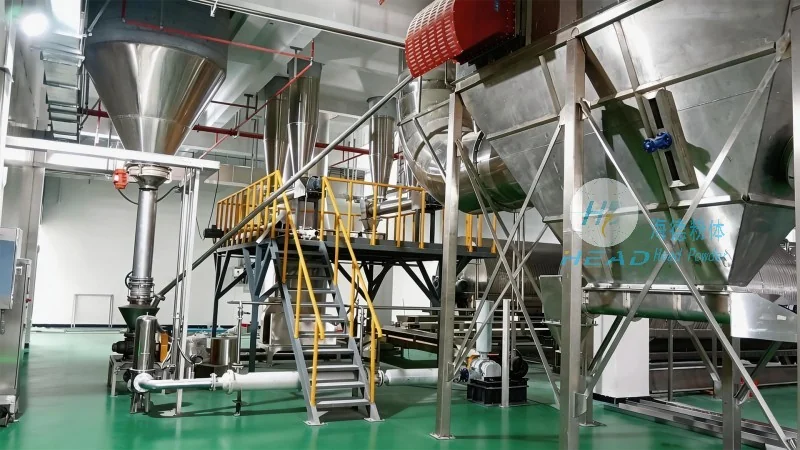
The working principle of a pneumatic conveying system involves creating a pressure differential to move material through the system. There are two main types: pressure and vacuum systems. In a pressure system, compressed air is introduced at the feeder end, pushing the material through the line to the receiver. In a vacuum system, a vacuum is created at the receiver end, drawing material from the feeder. The system operates by generating a flow of air that entrains the material particles, carrying them along the pipeline. The velocity and pressure of the air are carefully controlled to ensure efficient transport without causing material degradation or blockages. This principle allows for precise control over the conveying rate and material handling, which is essential for maintaining product quality and regulatory compliance. The air flow is managed through a series of valves and regulators, ensuring that the system operates within optimal parameters to prevent issues like clogging or material degradation.
Operation Process: From Feeding to Delivery
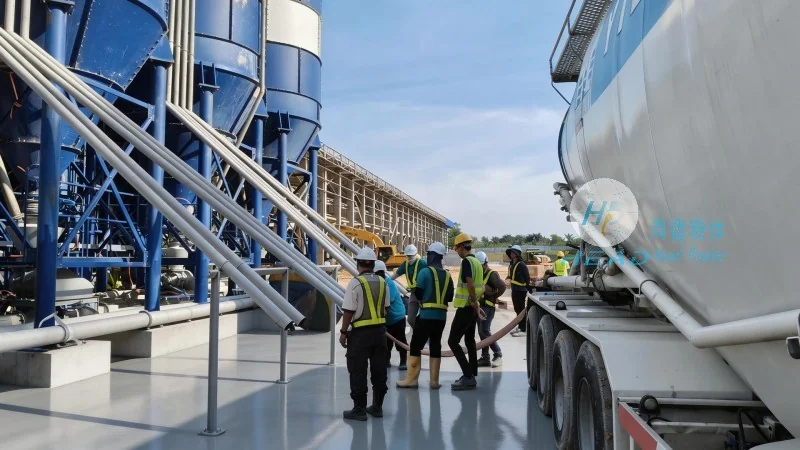
The operation process of a pharmaceutical material pneumatic conveying system begins with material feeding. The feeder, which may be a rotary valve or a screw feeder, introduces the material into the conveying line. The system then uses air pressure to transport the material to the receiver. The control system monitors the pressure and flow rates, adjusting them as needed to maintain optimal performance. At the receiver, the material is collected and may be further processed or packaged. The entire process is automated, with sensors and controls ensuring that the system operates within safe and efficient parameters. This operation process is designed to minimize downtime and maximize throughput, while adhering to strict hygiene and safety standards. The system's design includes features such as self-cleaning mechanisms and easy access for maintenance, which help maintain operational efficiency and compliance with GMP requirements.
Advantages and Applications in Pharmaceutical Manufacturing
Pharmaceutical material pneumatic conveying systems offer several advantages in pharmaceutical manufacturing. They provide a closed system, reducing the risk of contamination from external sources. The systems are also flexible, allowing for changes in material flow and line configuration without major modifications. Additionally, they can handle a wide range of materials, from fine powders to granules, making them suitable for various pharmaceutical products. These systems are widely used in the production of active pharmaceutical ingredients (APIs), drug intermediates, and finished dosage forms. The ability to maintain a sterile environment and control material handling makes them a preferred choice for pharmaceutical manufacturers seeking to enhance product quality and operational efficiency. Furthermore, the systems contribute to cost savings by reducing material waste and improving process efficiency, which is crucial for maintaining competitiveness in the pharmaceutical industry.
Conclusion: The Role of HeadPowder in Pharmaceutical Conveying Solutions
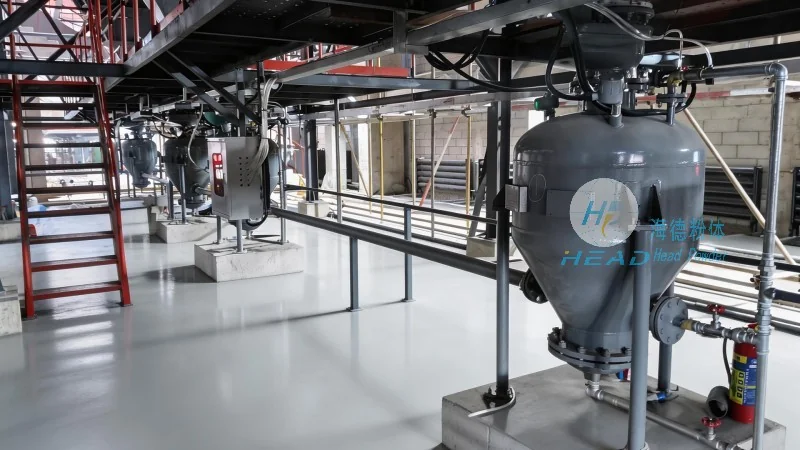
Shandong HeadPowder Engineering Co., Ltd., a leading provider of pharmaceutical material handling solutions, specializes in designing and manufacturing advanced pneumatic conveying systems tailored to the needs of the pharmaceutical industry. With a focus on quality, reliability, and compliance, HeadPowder's systems are engineered to meet the highest standards of GMP and regulatory requirements. The company's expertise in material handling technology ensures that pharmaceutical manufacturers can achieve efficient, safe, and hygienic material transport, enhancing overall production processes. Based in Shandong, China, HeadPowder leverages its experience and innovation to deliver solutions that improve operational efficiency and product quality in pharmaceutical manufacturing. By integrating advanced control systems and robust construction materials, HeadPowder's pneumatic conveying systems provide a reliable foundation for pharmaceutical production, supporting the industry's commitment to safety and efficacy.




