HeadPowder, a leading engineering company based in Shandong, China, specializes in the design and implementation of advanced pneumatic conveying systems tailored for various industrial applications, including the efficient handling of pea materials. This article provides a detailed overview of the operation process and working principles of a pea material pneumatic conveying system, highlighting the key components, operational steps, and the technical advantages that ensure optimal performance and reliability.
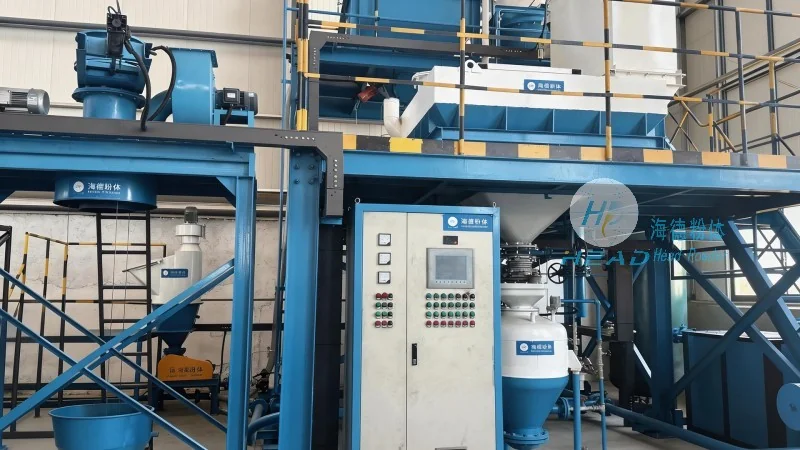
System Overview and Key Components
The pea material pneumatic conveying system is a sophisticated piece of equipment engineered to transport pea grains or other similar bulk materials through a pressurized or vacuum pipeline using air or other gases. The system typically consists of several critical components, each playing a vital role in the overall operation. These components include a hopper for material storage, a feeder to control the flow rate, a conveying pipeline, a dust separator or filter to remove air contaminants, and a discharge unit for material delivery. The design of each component is optimized to handle the specific characteristics of pea materials, such as their size, density, and moisture content, ensuring minimal degradation and maximum efficiency.
Working Principle of the Pneumatic Conveying Process
The core of the pneumatic conveying system operates on the principle of transporting solid materials suspended in a moving gas stream. In the case of a pea material system, the process begins with the material being fed from the hopper into the conveying pipeline. A fan or blower generates the necessary air pressure or vacuum, creating a flow that lifts and transports the pea particles through the pipeline. The air velocity is carefully controlled to maintain the material in a suspended state, preventing blockages and ensuring smooth movement. The conveying medium, often air, is filtered and conditioned to remove dust and moisture, which helps maintain the quality of the pea material and prolongs the system's operational life.
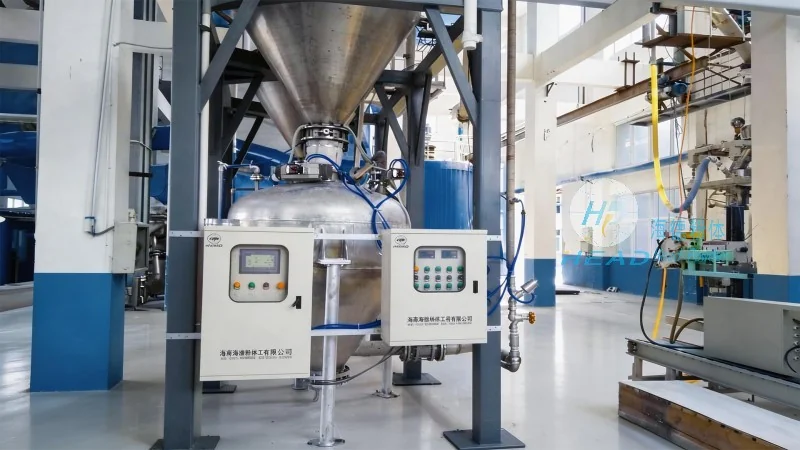
Operation Process: Step-by-Step Guide
The operation of the pea material pneumatic conveying system follows a systematic sequence of steps to ensure consistent and reliable material transport. The process starts with the loading of pea material into the hopper, where it is stored until needed. The feeder then regulates the flow rate, ensuring a steady supply of material into the conveying pipeline. The fan or blower activates, generating the required air pressure or vacuum, which initiates the conveying process. As the pea particles are carried through the pipeline, they are transported to the discharge point, where the material is released into the receiving container or processing unit. The system continuously monitors air pressure, flow rate, and material level to maintain optimal performance, with automatic controls adjusting parameters as needed to prevent overloading or underflow.
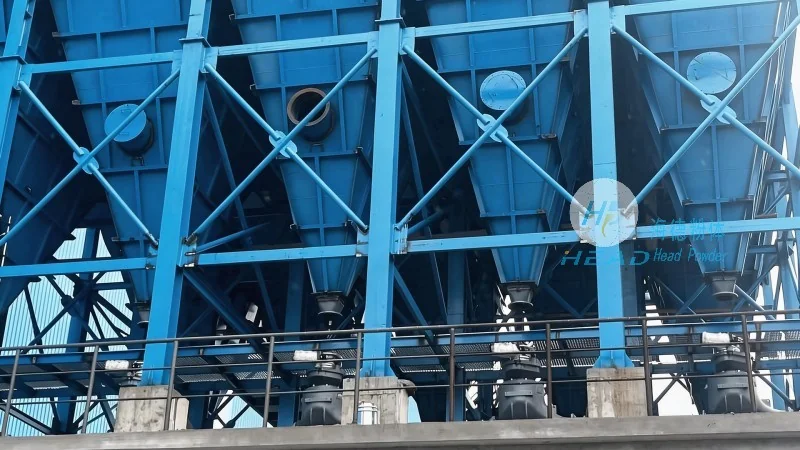
Advantages of Pneumatic Conveying for Pea Materials
Compared to traditional mechanical conveying methods, pneumatic conveying offers several advantages when handling pea materials. These include the ability to transport materials over long distances without the need for multiple transfer points, reduced material degradation due to minimal contact with equipment surfaces, and improved safety by eliminating the need for manual handling of bulk materials. The system also provides better control over material flow, allowing for precise dosing and batching, which is crucial in food processing applications where consistency and quality are paramount. Additionally, the enclosed pipeline design helps maintain hygiene standards, preventing contamination from external sources and ensuring compliance with industry regulations.
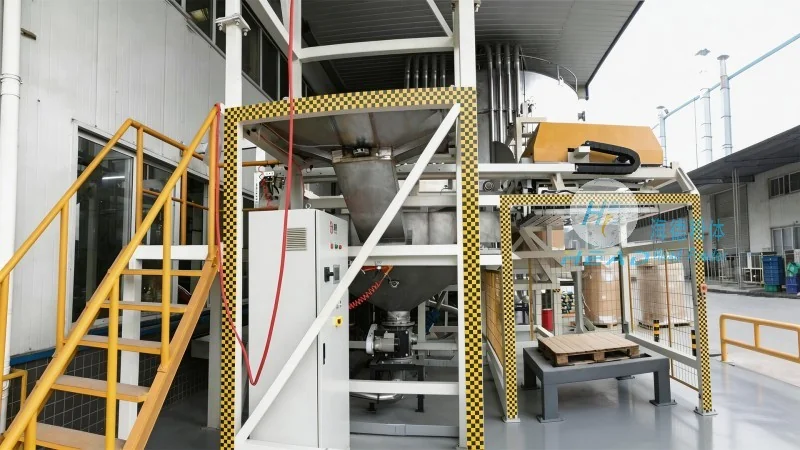
Maintenance and Operational Considerations
To ensure the long-term efficiency and reliability of the pea material pneumatic conveying system, regular maintenance and proper operational practices are essential. The system components, such as the hopper, feeder, and pipeline, should be inspected regularly for signs of wear or damage. The air filtration system must be cleaned or replaced as needed to maintain optimal air quality and prevent clogging. The fan or blower should be checked for proper performance, with any issues addressed promptly to avoid disruptions in material transport. Additionally, the system should be operated within the recommended parameters, such as air pressure and flow rate, to prevent excessive wear on components and ensure consistent material handling. Proper training of operators on the system's operation and maintenance procedures is also critical to maximize the system's lifespan and performance.
Conclusion
HeadPowder's pea material pneumatic conveying system exemplifies advanced engineering solutions for efficient bulk material handling. By understanding the operation process and working principles, users can appreciate the system's ability to deliver reliable, hygienic, and cost-effective transport of pea materials. With its robust design and optimized components, the system meets the demands of modern industrial applications, ensuring consistent performance and minimal downtime. As a trusted provider of engineering solutions, HeadPowder continues to innovate and improve its pneumatic conveying systems to meet the evolving needs of the industry.




