Fluorspar powder, a vital raw material in industries such as chemical manufacturing, metallurgy, and glass production, demands efficient and reliable material handling solutions to maintain smooth production workflows. The principle of fluorspar powder material handling centers on understanding the material's unique physical and chemical properties, including particle size distribution, moisture content, and flow characteristics, to select appropriate equipment and methods for safe, effective transport. This article delves into the fundamental principles behind fluorspar powder handling and highlights key working scene characteristics that influence the selection and operation of material handling systems.
Core Principles of Fluorspar Powder Handling
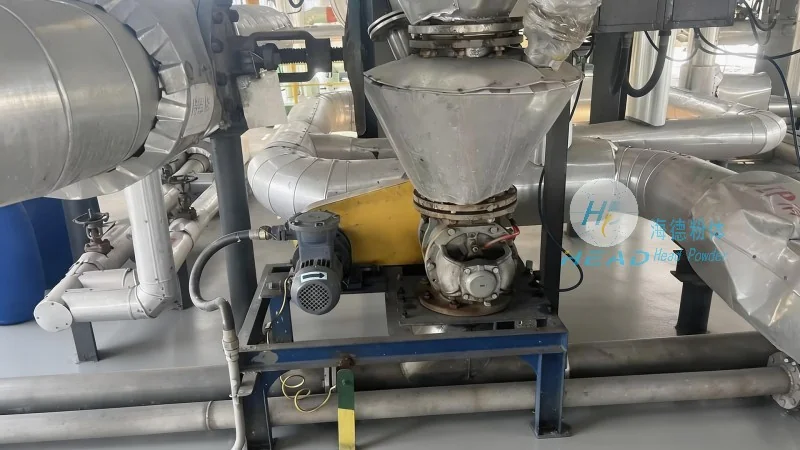
At the foundation of fluorspar powder material handling is the need to manage the material's inherent properties. Fluorspar, chemically known as calcium fluoride (CaF₂), is typically processed into fine powders with particle sizes ranging from microns to millimeters, depending on the application. The particle size distribution directly impacts the powder's flowability, settling behavior, and susceptibility to caking or agglomeration. For example, finer powders have a higher surface area, making them more prone to static electricity and requiring anti-static measures during handling. Moisture content is another critical factor; excessive moisture can lead to clumping, reduced flowability, and increased wear on handling equipment. Thus, controlling moisture levels and ensuring proper drying before transport is essential. The flow characteristics, including angle of repose (the angle at which a powder pile stands) and bulk density (the mass of powder per unit volume), also dictate the choice of conveyor systems. These properties influence whether a screw conveyor, pneumatic conveyor, or bucket elevator is most suitable. Each equipment type has specific advantages and limitations based on the powder's properties, and selecting the right one is crucial for minimizing material degradation and operational costs.
Working Scene Characteristics and Their Impact
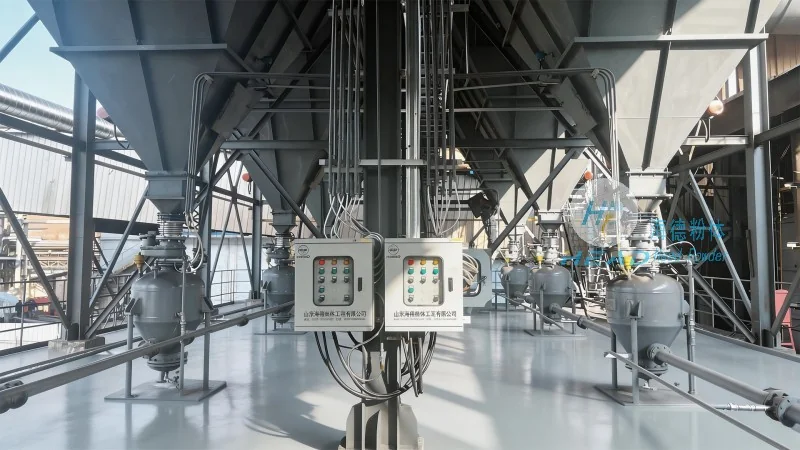
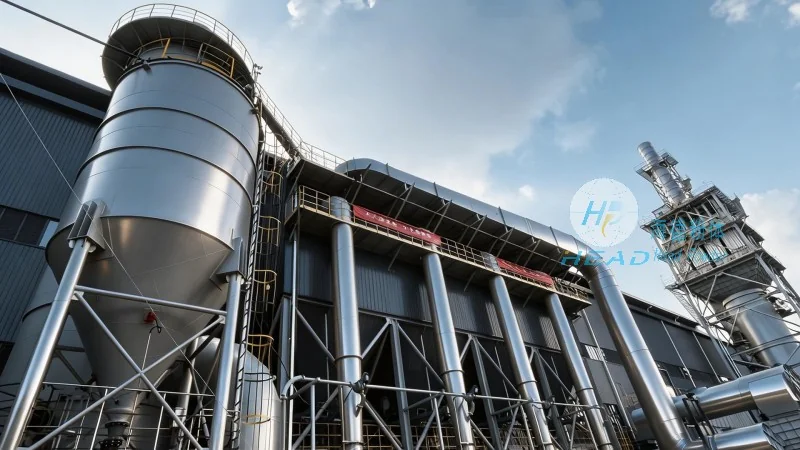
The working scene characteristics of fluorspar powder handling environments vary significantly based on the production scale, processing stage, and end-use applications. For small-scale operations, such as laboratory or pilot plant settings, manual handling or small-scale pneumatic conveyors may suffice. These scenarios involve lower material volumes and simpler processing, allowing for more flexible and cost-effective solutions. In contrast, large-scale industrial plants, like those in the chemical or metallurgical sectors, require high-capacity, continuous material handling systems. These facilities often handle thousands of tons of fluorspar powder annually, demanding robust and durable equipment capable of withstanding heavy usage and abrasive wear from the powder. The working environment also includes factors like temperature and humidity, which can affect the powder's properties and equipment performance. For instance, in hot or humid climates, additional drying or moisture control measures may be necessary to maintain optimal flowability. The presence of dust and particulate matter necessitates proper ventilation and dust collection systems to ensure worker safety and comply with environmental regulations. The plant layout, including storage silos, processing units, and discharge points, also plays a role in determining efficient material flow paths. Well-designed layouts minimize material handling distances and reduce material degradation or spillage risks, enhancing overall operational efficiency.




