Pneumatic conveying systems are essential for efficiently transporting ceramic powders in industrial settings. These systems utilize air or other gases to move powders from one location to another, offering a dust-free and flexible solution compared to traditional methods like bucket elevators or belt conveyors. For companies dealing with ceramic powders, understanding the operation process and working principles of such systems is crucial for optimizing production efficiency and maintaining product quality.
Key Components and Their Roles
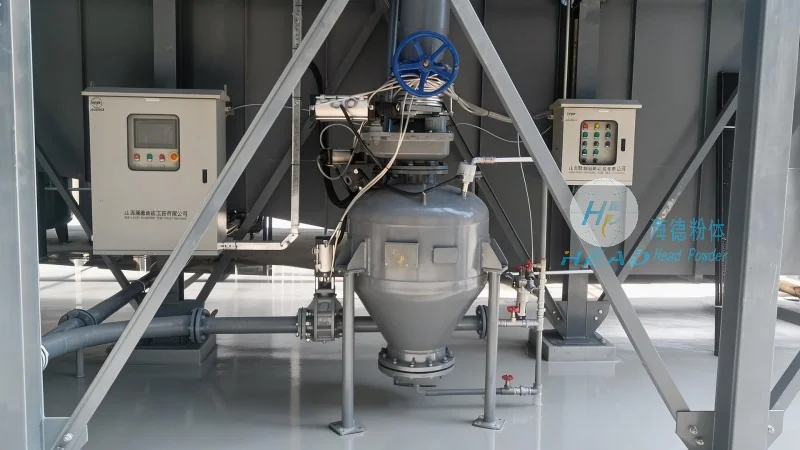
A typical ceramic powder pneumatic conveying system consists of several key components, each playing a vital role in the overall operation. The main components include the hopper (for material storage), the conveyor line (the pipe through which the material is transported), the air compressor (to generate the necessary air pressure), the filter and separator (to remove dust and return air to the system), and the control system (to regulate the flow and pressure). Each component must be carefully selected and maintained to ensure the system operates reliably and efficiently.
The Operation Process of the System
The operation process of a ceramic powder pneumatic conveying system involves several sequential steps. First, the ceramic powder is fed into the hopper from the storage silo. The air compressor then generates high-pressure air, which is introduced into the conveyor line. The air flows through the line, creating a low-pressure zone that draws the powder particles into the air stream. As the powder moves through the system, it is transported to the destination point, such as a processing unit or a storage silo. The filter and separator at the end of the line remove any remaining powder particles from the air, ensuring that the air is returned to the compressor for reuse.
Working Principle Explained
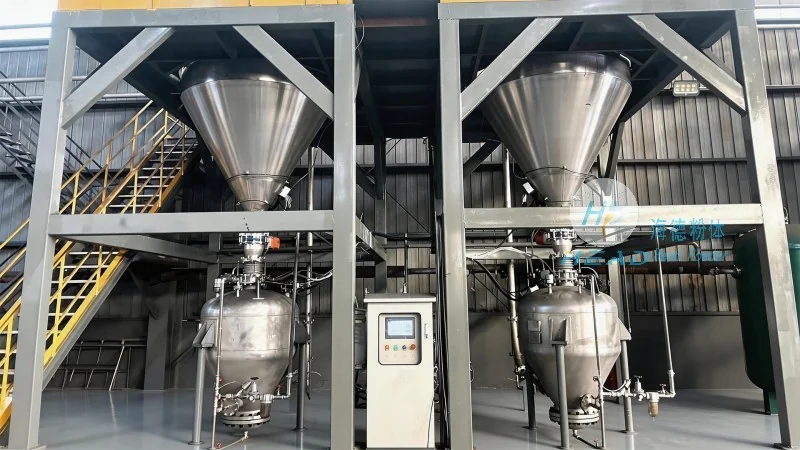
The working principle of a pneumatic conveying system is based on the principle of fluidization and drag. The air compressor provides the energy to move the powder particles. In a positive displacement system, the compressor creates a high-pressure air stream that pushes the powder through the pipe. In a negative pressure (or suction) system, the compressor creates a low-pressure zone that pulls the powder from the hopper. The choice between positive and negative pressure systems depends on factors such as the distance to be covered, the material's properties, and the desired flow rate. For ceramic powders, which are often fine and abrasive, a positive pressure system is commonly used to prevent material buildup and ensure smooth operation.
Advantages of Using Pneumatic Conveying for Ceramic Powders
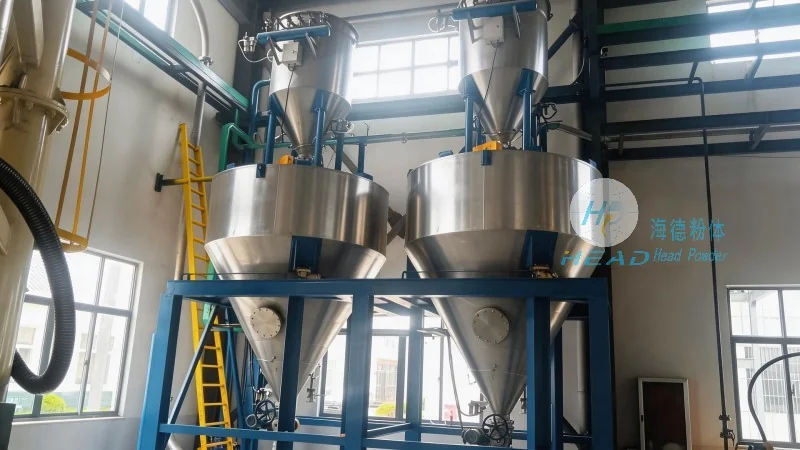
Compared to other material handling methods, pneumatic conveying offers several advantages for ceramic powders. One of the key benefits is the ability to transport materials in a dust-free environment, which is critical for maintaining product purity and preventing contamination. Additionally, pneumatic systems are flexible and can be easily reconfigured to accommodate changes in production needs or layout. They also require less space compared to traditional conveyors, making them suitable for compact industrial settings. Furthermore, the system can handle a wide range of powder types and sizes, from fine powders to larger granules, without causing degradation or damage to the material.
Application Scenarios and Industry Use Cases
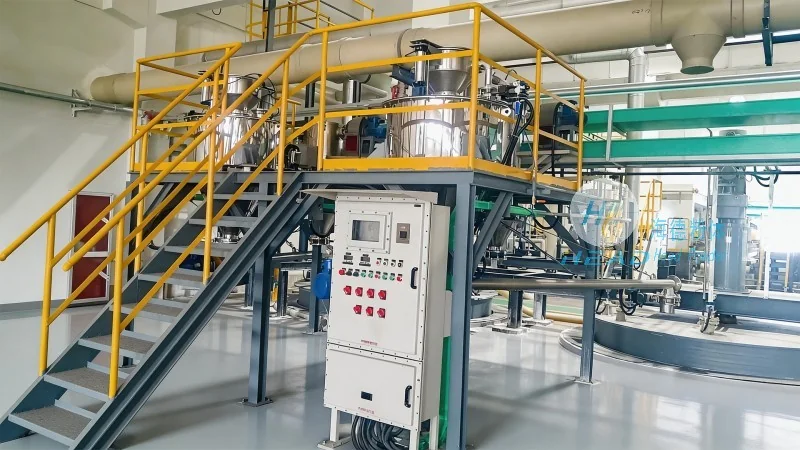
Ceramic powder pneumatic conveying systems are widely used in various industries that handle ceramic materials. In the ceramics manufacturing industry, these systems are used to transport raw materials from storage to processing units, such as mixers and extruders. In the pharmaceutical industry, similar systems are used to transport pharmaceutical powders, ensuring that the materials are handled in a sterile and controlled environment. Other applications include the food industry, where pneumatic conveyors are used to transport food-grade powders, and the chemical industry, where they are used to handle abrasive and corrosive powders.
Company Profile: Shandong HeadPowder Engineering Co., Ltd.
Shandong HeadPowder Engineering Co., Ltd. is a leading manufacturer and supplier of pneumatic conveying systems for ceramic powders. With years of experience in the industry, the company specializes in designing and manufacturing customized solutions that meet the specific needs of its clients. The company's headquarters is located in Shandong, China, and it serves clients both domestically and internationally. HeadPowder Engineering is committed to providing high-quality, reliable, and efficient pneumatic conveying systems that help its clients improve their production processes and increase their profitability.




