HeadPowder, a leading provider in the field of material handling solutions, specializes in the design, manufacturing, and installation of advanced pneumatic conveying systems for handling ash and slag materials. Based in Shandong, China, the company has established itself as a trusted partner for industries requiring efficient and reliable methods to transport bulk materials like ash and slag from one location to another.
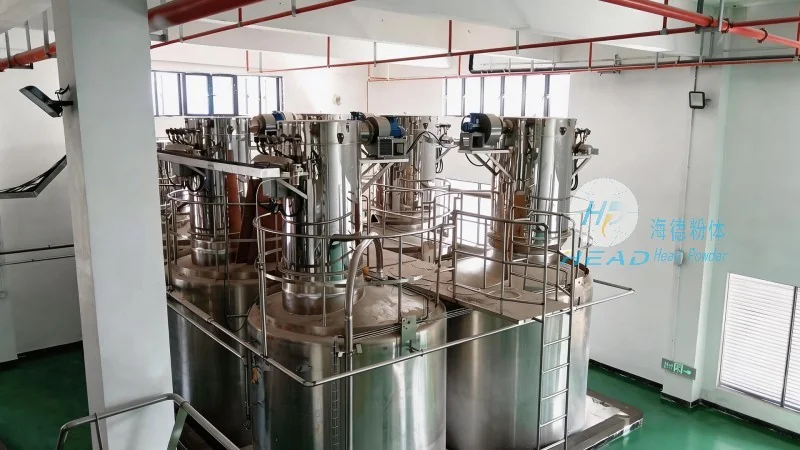
Introduction to Ash and Slag Material Pneumatic Conveying Systems
Ash and slag are byproducts commonly generated in industrial processes such as power generation, steel production, and cement manufacturing. These materials are often heavy, abrasive, and can pose challenges when it comes to traditional handling methods. Pneumatic conveying systems offer a solution by utilizing air or gas to transport these materials through pipelines, providing a dust-free, enclosed, and efficient method of material transport. The systems are designed to handle a wide range of particle sizes and densities, making them suitable for various industrial applications.
Working Principle of the Pneumatic Conveying System
The core principle of a pneumatic conveying system for ash and slag materials is the use of air pressure to move the material through a pipeline. The system typically consists of a blower or compressor that generates the necessary air flow, a hopper or feeder to introduce the material into the system, and a pipeline network that transports the material to the discharge point. The material is carried by the air stream, often in a dilute phase (where particles are suspended in the air) or a dense phase (where particles are more closely packed). The choice between dilute and dense phase depends on the material characteristics, pipeline length, and required flow rate. The system may also include components such as cyclones, filters, and silos to separate the material from the air and store it for further use or disposal.
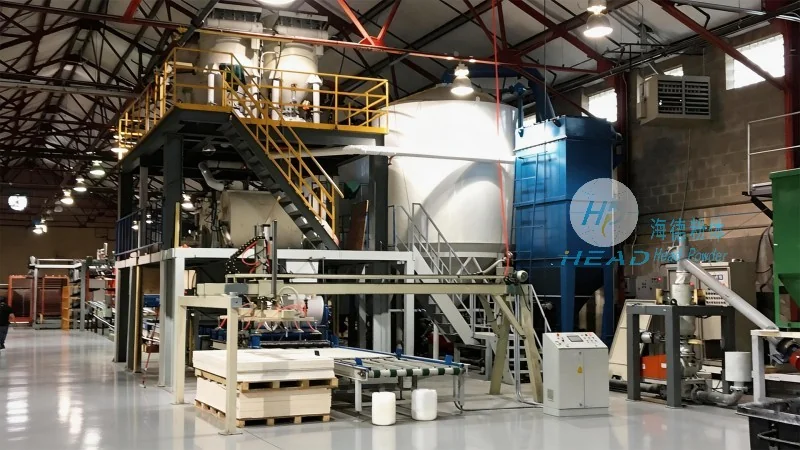
Operation Process of the System
The operation of an ash and slag material pneumatic conveying system involves several key steps to ensure smooth and efficient material transport. First, the system is started by activating the blower or compressor, which generates the required air pressure. Simultaneously, the feeder or hopper is activated to introduce the ash or slag material into the system. The material is then drawn into the pipeline by the air flow and transported to the discharge point. At the discharge end, the material is separated from the air using a cyclone or other separation equipment, and the air is filtered and returned to the system or released to the atmosphere. The system can be controlled automatically or manually, with sensors monitoring pressure, flow, and material levels to ensure optimal performance. The entire process is designed to be continuous, allowing for uninterrupted material transport over long distances and varying conditions.
Key Components and Their Functions
Several critical components make up an ash and slag material pneumatic conveying system, each playing a vital role in the overall operation. The blower or compressor is the primary source of air pressure, providing the necessary force to move the material through the pipeline. The feeder or hopper ensures a consistent and controlled flow of material into the system, preventing blockages and maintaining uniform transport. The pipeline network, typically made of corrosion-resistant materials such as stainless steel or plastic, transports the material from the inlet to the outlet. Cyclones and filters are essential for separating the material from the air, ensuring that the material is collected efficiently and the air is cleaned before being recirculated or released. Silos or storage tanks are used to hold the transported material until it is further processed or disposed of. Control systems, including sensors and automation equipment, monitor and regulate the system's performance, ensuring safety and efficiency.
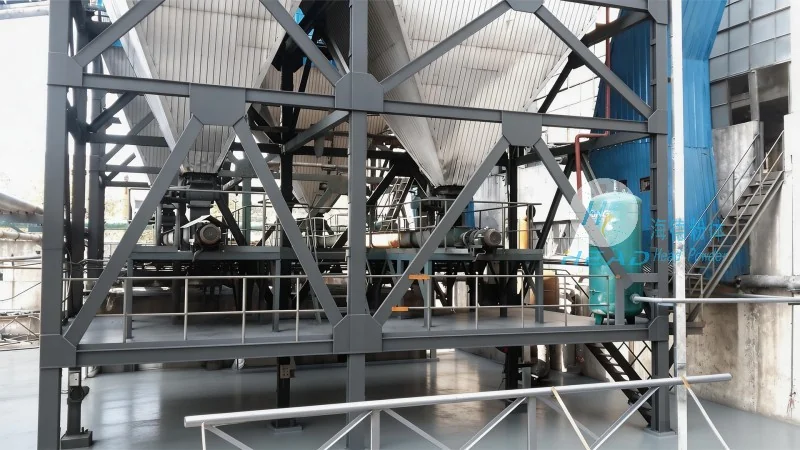
Advantages of Using Pneumatic Conveying for Ash and Slag
Implementing a pneumatic conveying system for ash and slag materials offers numerous advantages over traditional handling methods. One of the most significant benefits is the enclosed and dust-free operation, which improves workplace safety and reduces environmental pollution. The system also provides a continuous and reliable method of material transport, eliminating the need for manual handling and reducing labor costs. Additionally, pneumatic conveying systems can handle materials over long distances and varying elevations, making them suitable for complex industrial layouts. The flexibility of the system allows for easy integration with existing infrastructure, and the ability to transport materials in a controlled manner minimizes the risk of material degradation or loss. Overall, the use of pneumatic conveying systems enhances operational efficiency, reduces maintenance costs, and improves the overall safety and environmental performance of industrial processes.
Application Examples and Industry Impact
Ash and slag material pneumatic conveying systems are widely used in various industries, including power generation, where they are used to transport fly ash from boilers to storage silos or disposal sites. In steel production, these systems are employed to handle slag from the steelmaking process, transporting it to slag processing facilities. The cement industry also utilizes pneumatic conveying systems to transport raw materials and byproducts, improving the efficiency of the production process. The adoption of these systems has had a positive impact on industrial operations, leading to increased productivity, reduced downtime, and improved environmental compliance. By providing a reliable and efficient method of material transport, HeadPowder's systems contribute to the sustainability and competitiveness of their clients' operations.




