

What is Starch Pneumatic Conveying? What are the Design Principles?
Starch pneumatic conveying is a method used in the processing industry to transport starch powders and related materials through a pipeline system using air or other gases as the conveying medium. This technology is widely applied in starch processing plants, food manufacturing facilities, and other industries where efficient and reliable material handling is crucial. The process involves creating a flow of air or gas within a pipeline, which then carries the starch particles from the source to the destination. Understanding the principles behind this system is essential for optimizing performance, ensuring safety, and maintaining the quality of the starch products.
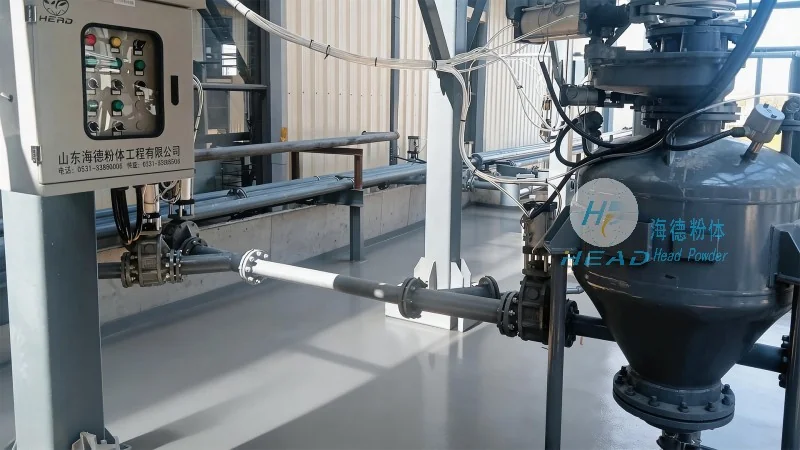
Company Overview: Shandong HeadPowder Engineering Co., Ltd.
HeadPowder, the company behind this technology, is a leading provider of engineering solutions for material handling in the starch industry. With its headquarters located in Shandong, China, HeadPowder specializes in designing, manufacturing, and installing pneumatic conveying systems tailored to the specific needs of starch processing operations. The company's expertise lies in developing systems that ensure efficient transport of starch powders, minimizing product degradation and loss during handling. By leveraging advanced engineering and years of industry experience, HeadPowder delivers reliable solutions that enhance productivity and operational efficiency for its clients.
Core Design Principles of Starch Pneumatic Conveying Systems
The design of a starch pneumatic conveying system is based on several fundamental principles that ensure effective and safe material transport. The primary principle is the creation of a consistent airflow within the pipeline, which is typically achieved through the use of positive pressure or negative pressure systems. Positive pressure systems, also known as pressure conveying, involve blowing air into the pipeline at the material source, pushing the starch particles forward. Negative pressure systems, or vacuum conveying, create a vacuum at the receiving end, drawing the material through the pipeline. The choice between these systems depends on factors such as the distance of transport, the type of starch, and the required flow rate.
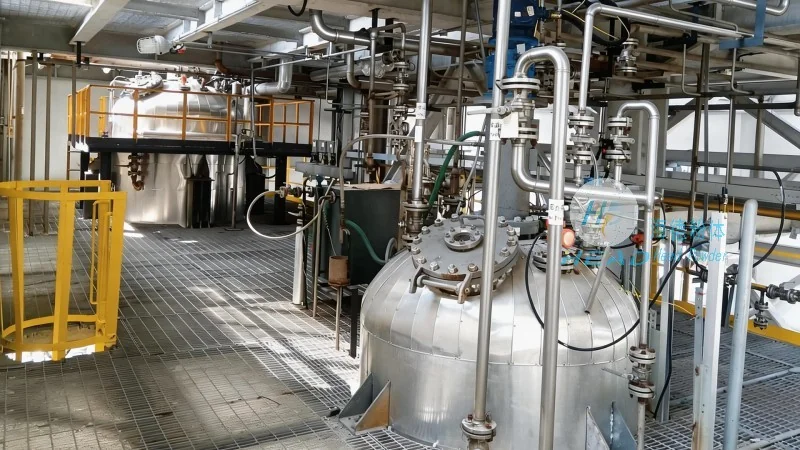
Another critical design principle is the selection of appropriate equipment components. Key components include the hopper or feed hopper, which holds the starch and feeds it into the pipeline; the air compressor or vacuum pump, which generates the necessary airflow; the pipeline itself, which must be constructed from materials resistant to starch and moisture; and the control system, which regulates the flow of air and material. The design must also consider the velocity of the air and the particle size of the starch to prevent blockages and ensure smooth transport. Proper sizing of the pipeline and the air velocity is essential to maintain the desired flow rate without causing excessive wear or degradation of the starch particles.
Key Factors Influencing System Performance
Several factors impact the performance of a starch pneumatic conveying system. The first is the particle size and moisture content of the starch. Smaller particles and higher moisture content can lead to increased friction and potential blockages, requiring adjustments in air velocity and system design. The distance of transport is another critical factor; longer distances may necessitate additional boosters or larger diameter pipelines to maintain adequate airflow. The system's capacity, or the amount of starch that can be conveyed per hour, is also a key consideration, as it directly affects production throughput. Additionally, the system must be designed to handle variations in starch quality, such as changes in particle size distribution or moisture levels, to ensure consistent performance. Proper maintenance and monitoring of the system components are essential to prevent downtime and maintain optimal performance.
Advantages of Starch Pneumatic Conveying
Starch pneumatic conveying offers several advantages over traditional material handling methods. One of the main benefits is the ability to transport starch in a closed system, which minimizes exposure to contaminants and prevents dust emissions, improving workplace safety and environmental compliance. The system also allows for continuous and automated material transport, reducing labor costs and increasing operational efficiency. Additionally, pneumatic conveying systems can handle a wide range of starch types and particle sizes, making them versatile for various applications. The closed pipeline design helps maintain the quality of the starch by preventing moisture absorption or contamination from external sources. This is particularly important in food processing industries where product purity is paramount.
Applications in the Starch Industry
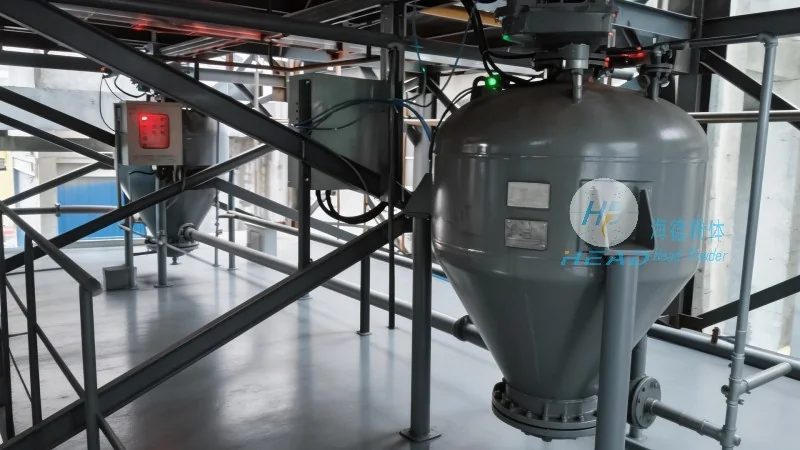
Starch pneumatic conveying systems are widely used in various applications within the starch industry. In starch processing plants, these systems are used to transport raw starch from storage silos to processing equipment, such as mills or reactors. They are also employed to move finished starch products from the processing line to packaging facilities. In food manufacturing, pneumatic conveying is used to transport starch-based ingredients to production lines for the manufacturing of snacks, beverages, and other food products. The system's ability to handle large volumes of material efficiently makes it ideal for high-throughput operations. Furthermore, in industrial applications, starch pneumatic conveying is used in the production of starch derivatives, such as modified starches, which are used in paper, textiles, and other industries. The versatility of the system allows it to be adapted to different production processes, making it a valuable asset in the starch industry.
Conclusion
In conclusion, starch pneumatic conveying is a sophisticated and efficient method for transporting starch powders and related materials. The design principles behind this system, including the choice of pressure system, equipment selection, and system sizing, are critical to ensuring optimal performance. Companies like Shandong HeadPowder Engineering Co., Ltd. play a vital role in providing tailored solutions that meet the specific needs of starch processing operations. By understanding and applying these design principles, starch manufacturers can enhance their operational efficiency, improve product quality, and ensure safe and reliable material handling. The continued development and refinement of pneumatic conveying technology will likely further improve its effectiveness in the starch industry and other material handling applications.