

Operation Process and Working Principle of Petroleum Coke Powder Conveyors
Shandong HeadPowder Engineering Co., Ltd., a leading manufacturer based in Shandong, China, specializes in providing advanced solutions for the transportation of petroleum coke powder. This article explores the operation process and working principle of our petroleum coke powder conveyors, detailing how these systems enhance efficiency and reliability in industrial material handling.
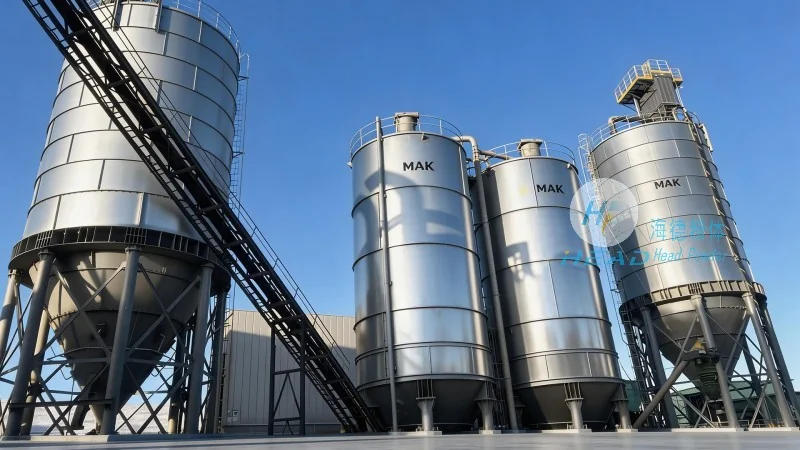
Key Components of the Petroleum Coke Powder Conveyor System
The petroleum coke powder conveyor system is designed with several critical components that work in tandem to achieve optimal performance. The main parts include the hopper, conveyor belt, drive system, and control panel. The hopper serves as the initial storage and feeding unit, where petroleum coke powder is loaded and then transferred to the conveyor belt. The conveyor belt, typically made of durable materials such as rubber or polyurethane, is responsible for transporting the powder from the hopper to the discharge point. The drive system, which may consist of electric motors and pulleys, provides the necessary power to move the belt at a controlled speed. The control panel allows operators to monitor and adjust the conveyor's speed and other operational parameters as needed.
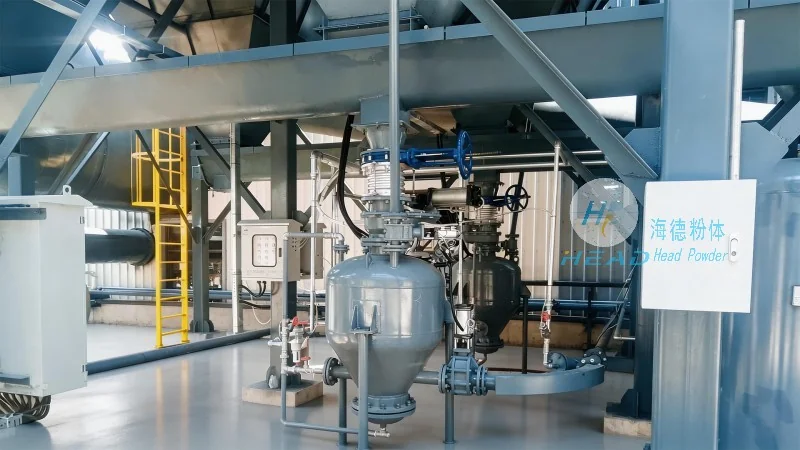
Operation Process of the Petroleum Coke Powder Conveyor
The operation process of the petroleum coke powder conveyor begins with the loading of petroleum coke powder into the hopper. Once the hopper is filled to a certain level, the feeder mechanism (if equipped) or the natural flow of the powder initiates the transfer to the conveyor belt. The conveyor belt then moves the powder forward, guided by idlers and rollers that maintain the belt's tension and alignment. As the belt reaches the discharge point, the powder is released into the designated container or processing unit. The entire process is typically automated, with the control panel enabling operators to start, stop, or adjust the conveyor's speed based on production requirements. This automated operation ensures consistent and efficient material handling, minimizing downtime and maximizing productivity.
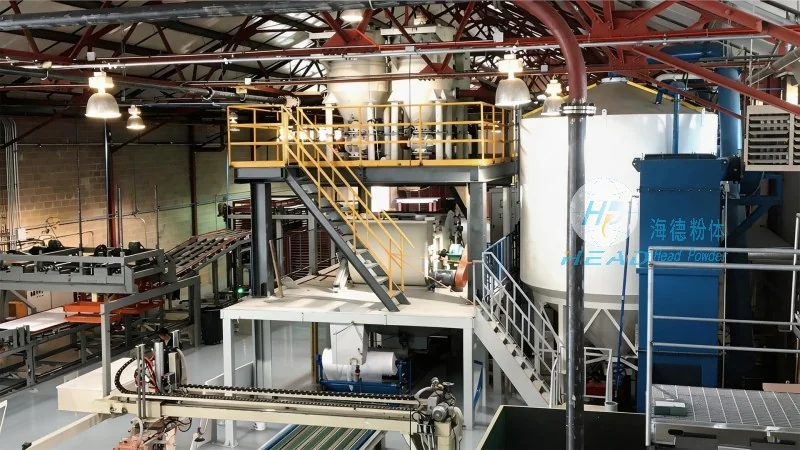
Working Principle of the Petroleum Coke Powder Conveyor
The working principle of the petroleum coke powder conveyor is based on the mechanical transfer of material through a moving belt. The hopper provides a controlled feed of petroleum coke powder, which then falls onto the moving conveyor belt. The belt's continuous motion, driven by the electric motor and pulley system, transports the powder to the discharge end. The idlers and rollers support the belt and maintain its tension, ensuring smooth and consistent movement. The control panel allows for precise control over the conveyor's speed, which is adjusted according to the powder's flow rate and the desired discharge rate. This principle ensures that the conveyor can handle a wide range of powder characteristics, including varying particle sizes and moisture content, while maintaining high efficiency and reliability.
Advantages of Using Petroleum Coke Powder Conveyors
Implementing petroleum coke powder conveyors offers several advantages for industrial applications. Firstly, these systems provide a dust-free and enclosed environment, reducing the risk of dust contamination and improving workplace safety. Secondly, the automated operation minimizes the need for manual handling, reducing labor costs and the risk of human error. Thirdly, the conveyor's design allows for easy integration with other processing equipment, enabling seamless material flow from storage to processing. Additionally, the durable construction of the conveyor components ensures long-term reliability and low maintenance costs, making it a cost-effective solution for petroleum coke powder handling.
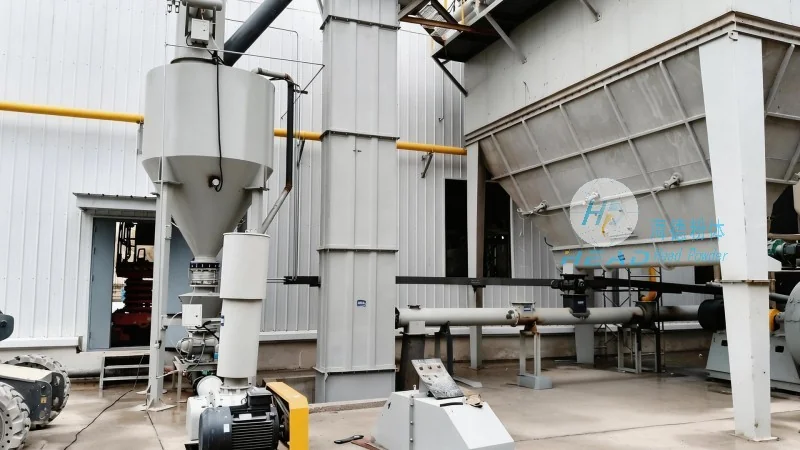
Applications in Industrial Settings
Petroleum coke powder conveyors are widely used in various industrial sectors, particularly in the petrochemical and steel industries. In petrochemical plants, these conveyors are used to transport petroleum coke powder from storage silos to reactors or other processing units. In steel plants, they are employed to move coke powder from the coking process to the blast furnace or other applications. The versatility of the conveyor system makes it suitable for handling different types of powders, including those with high abrasiveness or moisture content. By ensuring efficient and reliable material transport, these conveyors contribute to improved production efficiency and reduced operational costs in industrial settings.